Australia has banned another foreign-operated ship from its ports after inspectors discovered seafarers had been underpaid and unlawfully charged for drinking water, escalating a widening crackdown on labor abuses in global shipping.
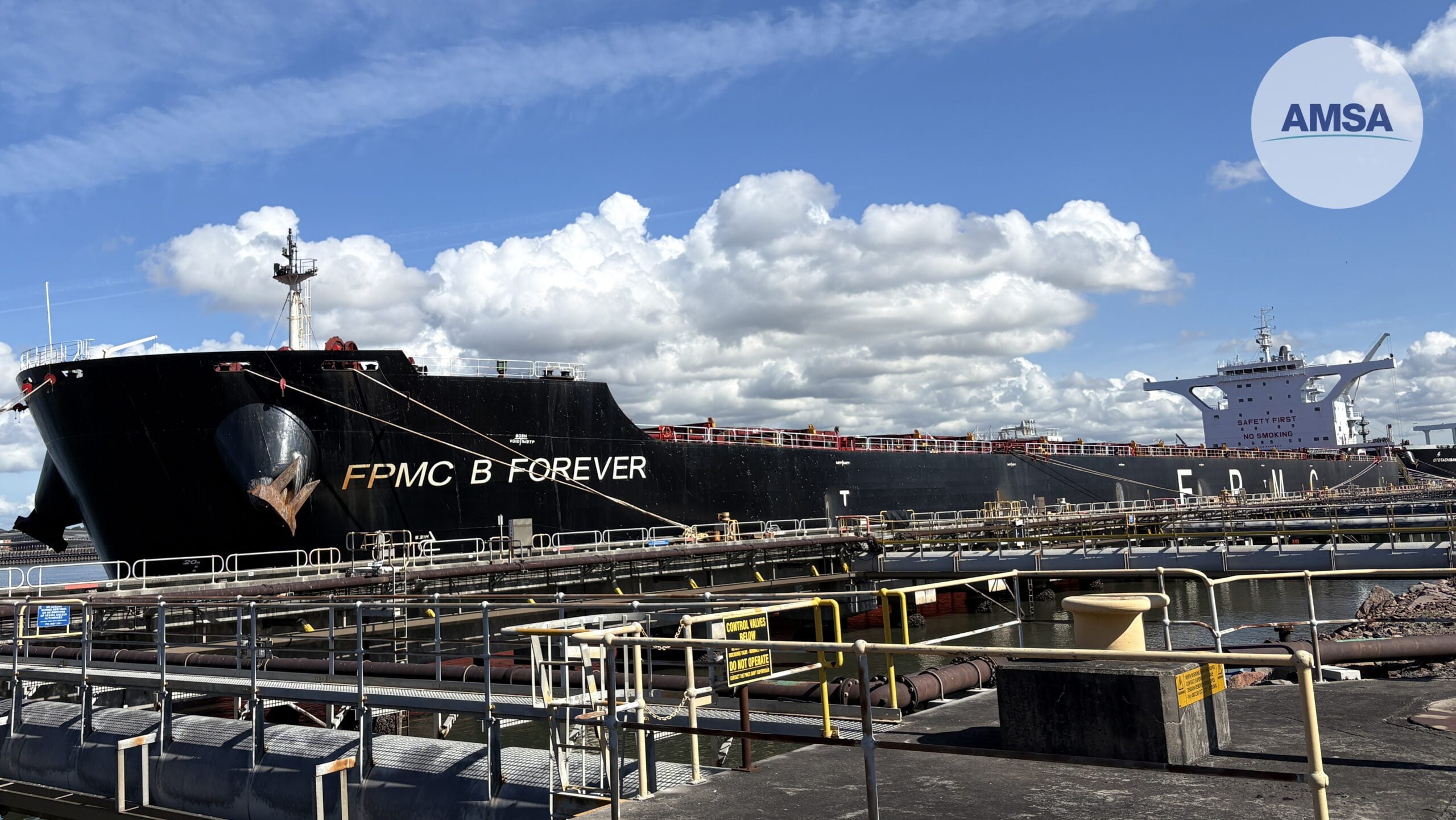
The Australian Maritime Safety Authority (AMSA) said the Liberia-flagged bulk carrier FPMC B Forever, operated by Taiwan-based Formosa Plastics Marine Corporation, was detained in the Port of Newcastle on April 23 following a port state control inspection that uncovered multiple breaches of the Maritime Labour Convention (MLC).
Inspectors found the crew had been underpaid by nearly AUD $15,000 and were being charged for potable water aboard the vessel — a practice AMSA described as unlawful under international maritime labor standards.
The vessel’s operator has now been banned from entering Australian ports or waters until July 28, 2026, effective immediately.
The action marks AMSA’s third ban in less than two months, signaling an increasingly aggressive enforcement posture by Australian authorities as scrutiny grows globally over seafarer treatment, unpaid wages, fatigue, and labor conditions aboard commercial ships.
“Underpaying seafarers – by any amount – is unlawful and will trigger enforcement action,” AMSA Acting Executive Director Operations Greg Witherall said in a statement.
“This action should serve as a clear warning to operators who think they can cut corners at the expense of their crew,” he added.
The case highlights a darker side of the global shipping industry that often remains invisible to consumers despite moving roughly 90% of world trade. Seafarers routinely spend months at sea transporting everything from fuel and grain to consumer goods and industrial materials, yet labor abuses continue to surface across parts of the industry.
Australian regulators said operators risk severe commercial consequences if they fail to comply with labor rules, including costly delays, denied port access, reputational damage, and increased inspection scrutiny.
“The law is clear: if you underpay your crew, the cost will be far higher than the wages you tried to withhold,” Witherall said.
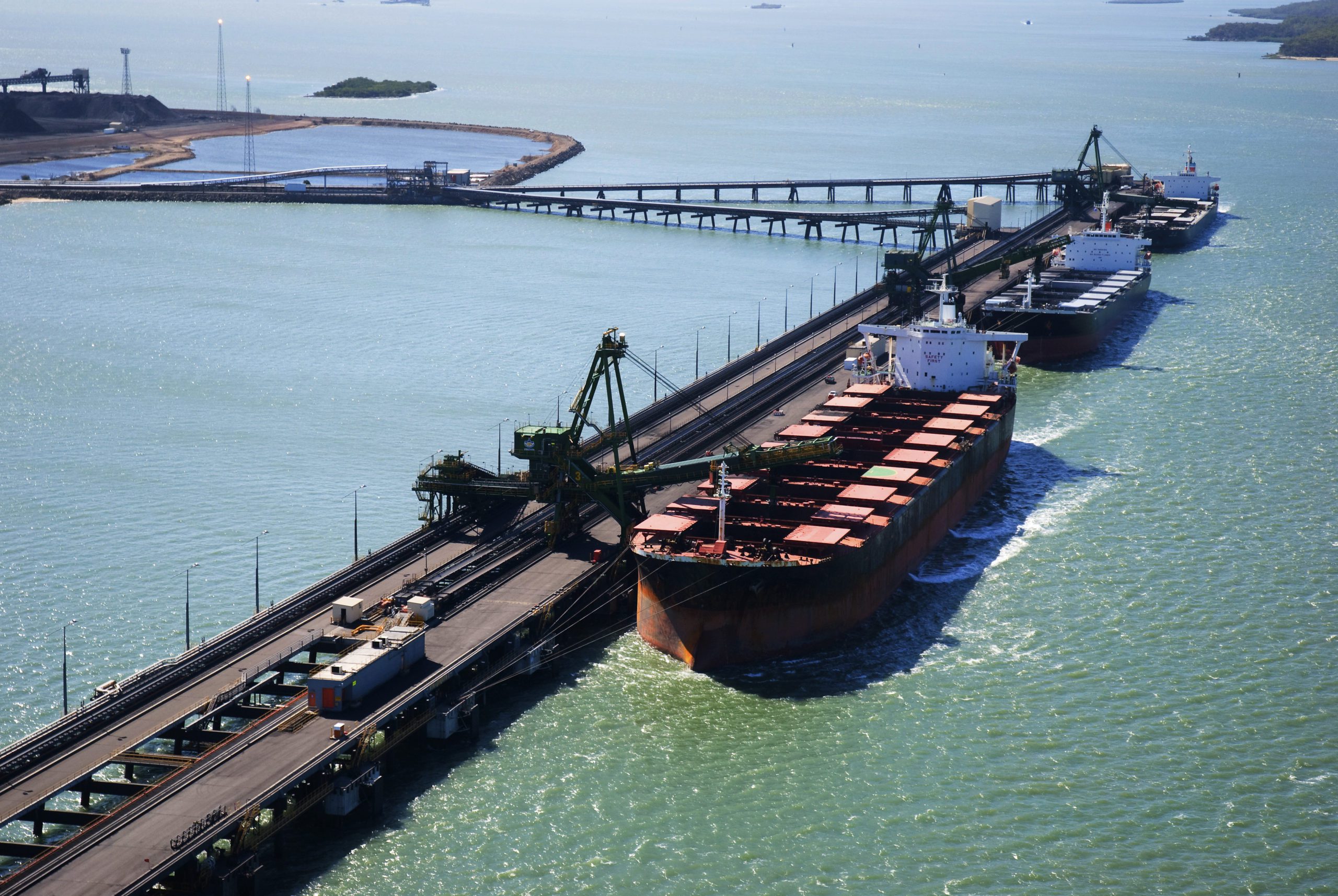
The inspection took place in Newcastle, one of Australia’s busiest export hubs and a critical gateway for bulk commodity shipments. Vessel detentions at major ports can ripple through supply chains, disrupt cargo schedules, and create knock-on costs for charterers, cargo owners, and logistics networks already dealing with heightened geopolitical and trade volatility.
The Maritime Labour Convention — often described as the “seafarers’ bill of rights” — establishes minimum global standards covering wages, accommodations, food, medical care, contracts, and crew welfare. Australia enforces the convention under its Navigation Act 2012.
AMSA said operators must ensure timely wage payments, safe living conditions, adequate rest, and free access to essential onboard services.
“Seafarers perform one of the hardest jobs in the world and keep global trade moving in harsh conditions,” Witherall said. “Paying them correctly is not optional – it’s a legal and moral obligation.”
The latest enforcement action comes as maritime labor conditions face renewed international attention amid ongoing security crises in major shipping corridors, including the Strait of Hormuz and Red Sea, where thousands of seafarers have faced heightened operational risks, prolonged deployments, and mounting psychological stress.
For shipping companies operating globally, Australia’s latest ban sends a broader message: regulators are increasingly willing to target labor violations with measures that can directly impact fleet operations and commercial access to key trade markets.

 Join The Club