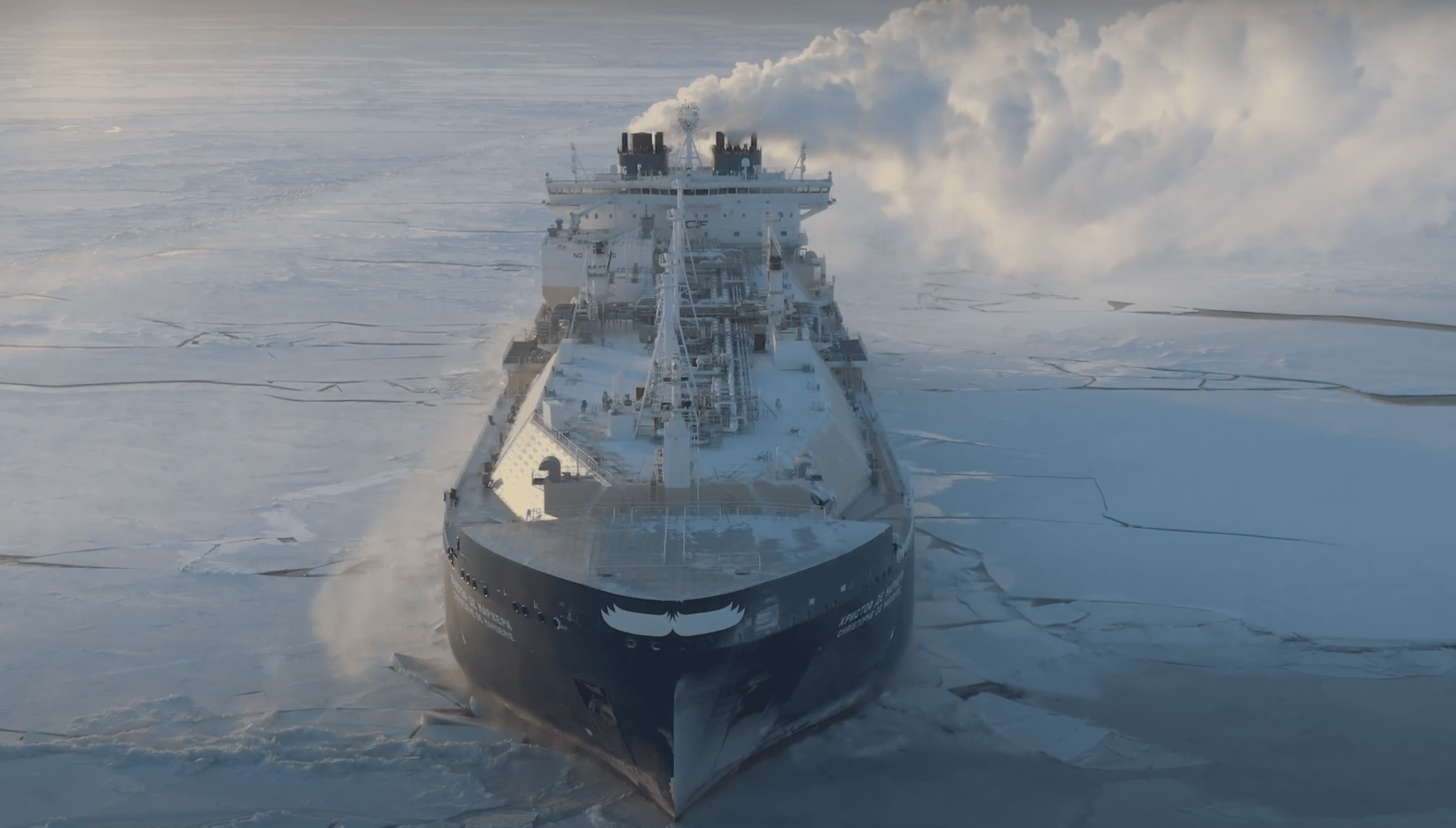
Russia’s Arctic shipping lanes have become a corridor for the global shadow fleet of sanctioned oil and LNG tankers, raising safety, environmental, and geopolitical concerns.
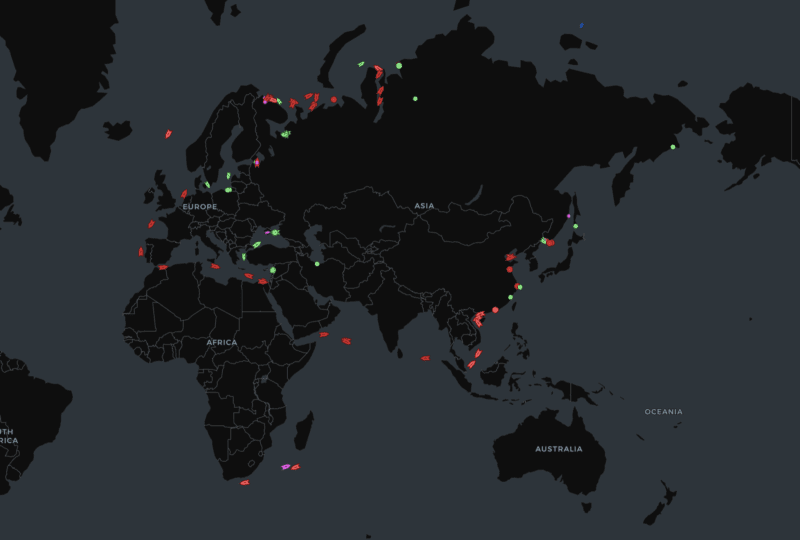
In 2025 nearly one third of vessels using the route were part of the so-called dark fleet. A report by the Bellona Foundation identified 100 sanctioned ships, majority oil and gas tankers, using the route over the past year, a dramatic increase over just 13 such vessels in 2024.
For years, Russia touted the Northern Sea Route (NSR) as a future backbone of legitimate Arctic commerce, a shorter corridor linking Asia and Europe. But by 2025, the route has morphed into an illicit maritime corridor widely used by sanctioned vessels, particularly in the oil and liquefied natural gas sectors.
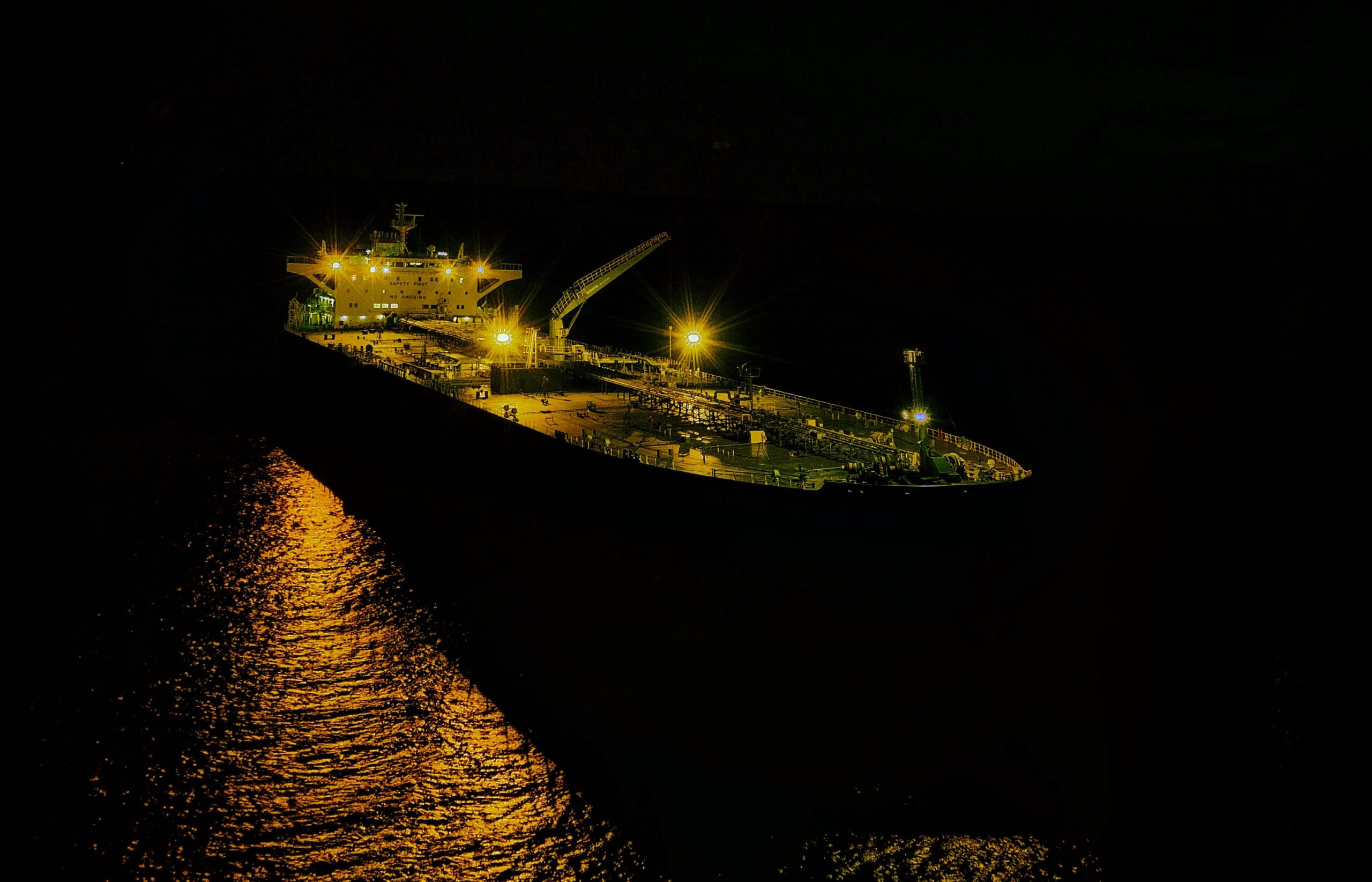
These vessels – older tankers often lacking proper ice class classification or reliable insurance – sail under compromised flags and frequently switch off their transponders, hiding their movements in some of the world’s most remote and fragile waters. Russian authorities also stopped publishing accurate records of shipping activity along the route.
“Rosatom, Russia’s powerful state nuclear corporation and the official operator of the Northern Sea Route, systematically limits public access to information,” says Ksenia Vakhrusheva, Arctic advisor at the Bellona. “This year, NSR administrators stopped publishing data on vessel locations, as well as annual summaries of accidents and incidents along the route.”
In total the researchers identified 38 sanctioned oil and oil product tankers and 13 LNG carriers using the Arctic shortcut. A number of sanctioned oil tankers also traveled along the route without any formal permit from the route’s administrator.
Overview of 100 sanctioned vessels that used Russia’s Northern Sea Route during 2025 based on Bellona Foundation information. (Source: MagicPort Maritime Intelligence)
The surge in shadow fleet use marks a dramatic departure from Russia’s pre-war ambitions. Prior to the full-scale invasion of Ukraine, Moscow actively courted Western operators and commercial interests, promoting the NSR as a viable commercial shipping route. In 2018 Danish operator Maersk celebrated its first Arctic crossing with an elaborate reception in St. Petersburg; including congratulatory remarks from President Putin.
Now, most vessels are Russian or Chinese, with sanctioned oil and LNG carriers at the forefront, underlining how geopolitical isolation has reshaped Arctic maritime patterns.
Worsening the picture is the emerging global linkage of this Arctic dark fleet to other shadow fleet activities. For instance, the oil tanker Hyperion, which has voyaged through the NSR, later sailed to Venezuela loaded with Russian naphtha, illustrating how sanctioned Arctic tankers are part of an international network of vessels evading global sanctions.
By Lori Ann LaRocco – Three vessels involved in the transport of sanctioned Iranian oil have been struck in the first 24 hours of Operation Epic Fury. Oil tankers Skylight,...
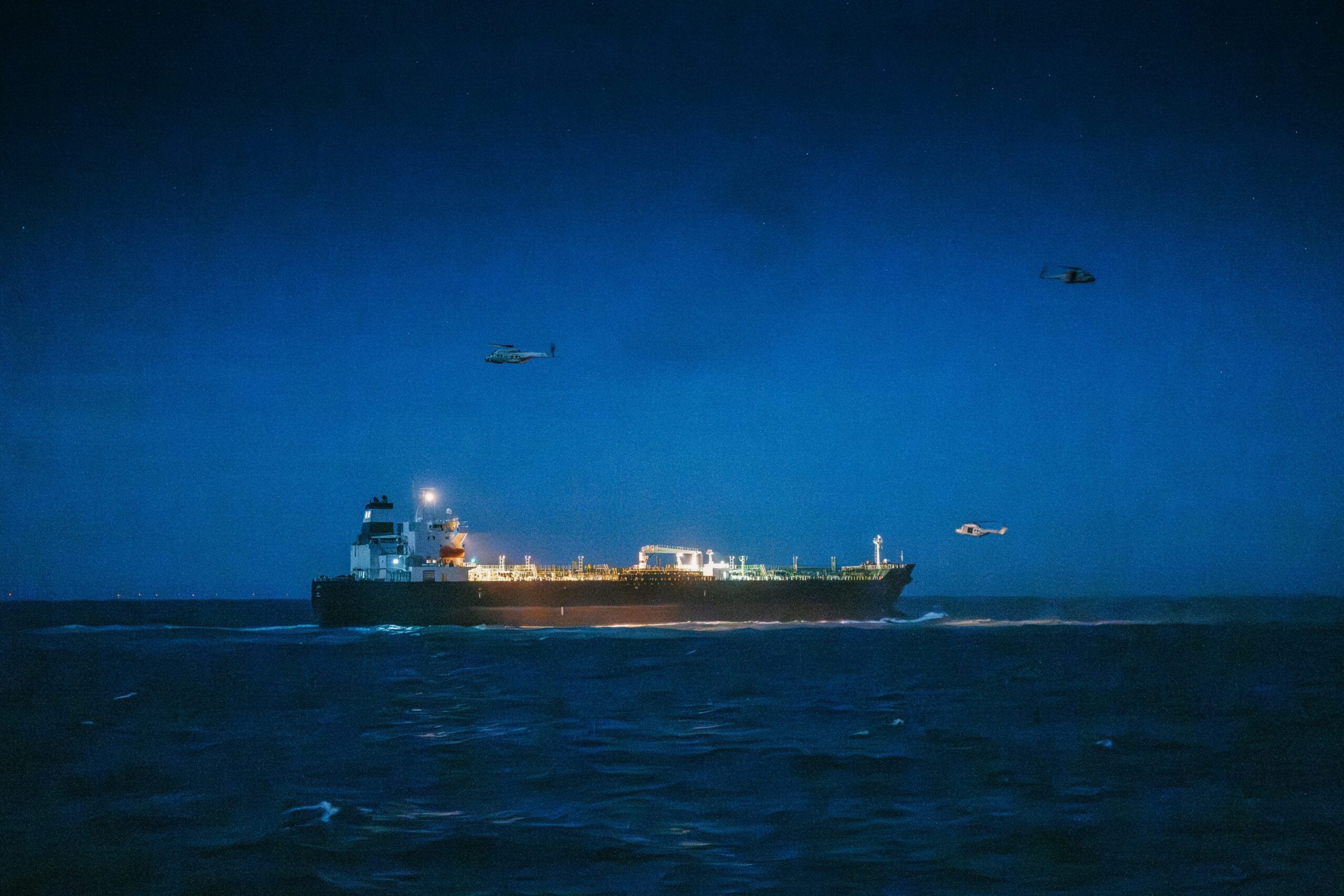
Belgian forces have boarded and seized the shadow fleet tanker Ethera in the North Sea, escorting the vessel to the port of Zeebrugge in what officials describe as a coordinated European sanctions...
The tanker Sea Horse carrying 200,000 barrels of Russian gas oil diverted from Cuba and is now drifting in the North Atlantic. The move worsens Cuba's fuel crisis as Trump's Caribbean naval blockade deters shipments to the island.
February 27, 2026
Total Views: 1775
Get The Industry’s Go-To News
Subscribe to gCaptain Daily and stay informed with the latest global maritime and offshore news
— just like 107,166 professionals
Secure Your Spot
on the gCaptain Crew
Stay informed with the latest maritime and offshore news, delivered daily straight to your inbox
— trusted by our 107,166 members
Your Gateway to the Maritime World!
Essential news coupled with the finest maritime content sourced from across the globe.

 Join The Club