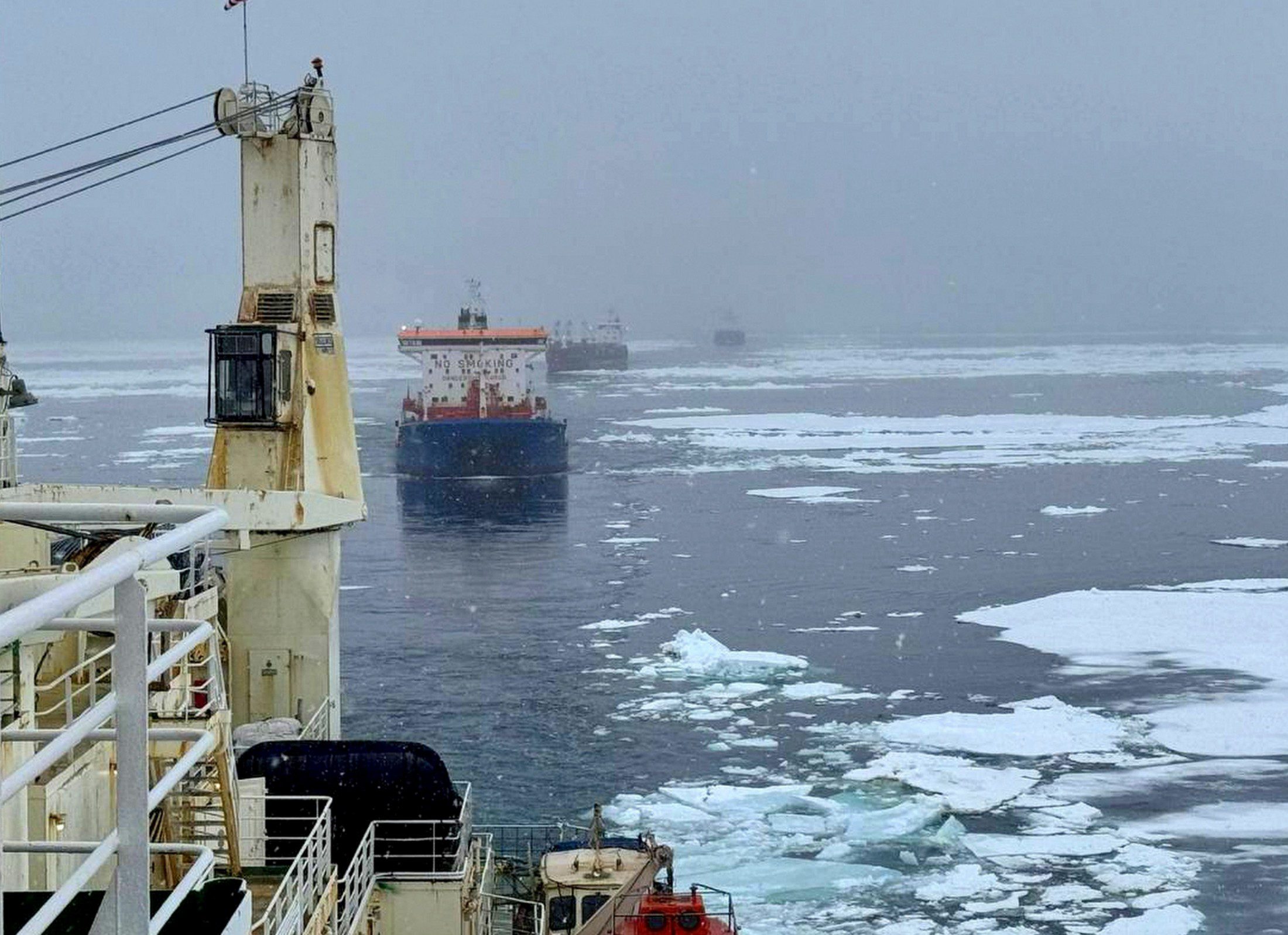
Arctic shipping continues to have a breakout year setting new records for transit traffic and container ship voyages.
As of September 30, total transit cargo stood at 2.38 million tonnes transported across 79 voyages, according to the latest figures released by the Center for High North Logistics.
This year’s transit figures set a new record for Russia’s Northern Sea Route in terms of both cargo volume and number of trips. With around three weeks remaining in the main navigation season the figures are likely to increase further.
Cargo flows between Russia and China account for around 95 percent of all voyages, highlighting the two countries’ growing strategic partnership in the region. The bulk of cargo traffic arises from the transport of crude oil, iron ore, and coal. Together they account for around 2 million tonnes.
Crude oil shipments and container vessel traffic via Russia’s Northern Sea Route in 2024 through September 30. (Source: CHNL)
Nascent Arctic container shipping also continues on its growth path. After seven voyages in 2023, this year has already seen 14 trips connecting Russian and Chinese ports.
Across the 14 voyages, box ships transported around 150,000 tons of cargo. A modest figure in comparison to major shipping arteries like the Suez Canal, but a significant growth for Arctic shipping over just the last few summers. The first containership transited the Arctic only six years ago when Maersk sent the feeder vessel Venta Maersk from Asia to Europe.
The container shipping record is especially noteworthy as this year’s shipping season was shorter due to persistent sea ice in parts of the Arctic.
“We see that the number of container shipments has increased, while the favorable period of time for transit passage in 2024 is much shorter than usual due to difficult ice conditions in the eastern part of NSR,” explained the experts at the CHNL.
Nuclear icebreaker Ural escorting the bulk carrier Smoke and the Panamax containership NewNew Star in September 2024. (Source: Atomflot)
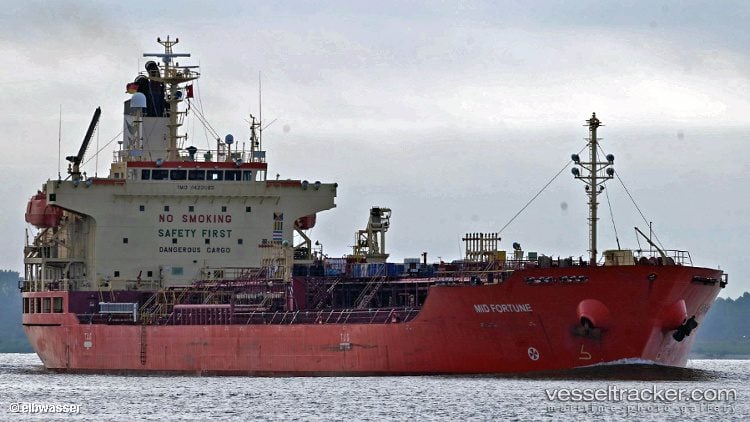
Several vessels remain on the route finishing up transits before the shipping window closes during the second half of October, including at least two container ships and several oil tankers.
Arctic shipping as a whole also looks set to reach a new high point. Transit traffic accounts for only a small share of overall activity. The bulk of the volume arises from destinational traffic for the export of Russian hydrocarbon resources to markets in Europe and Asia.
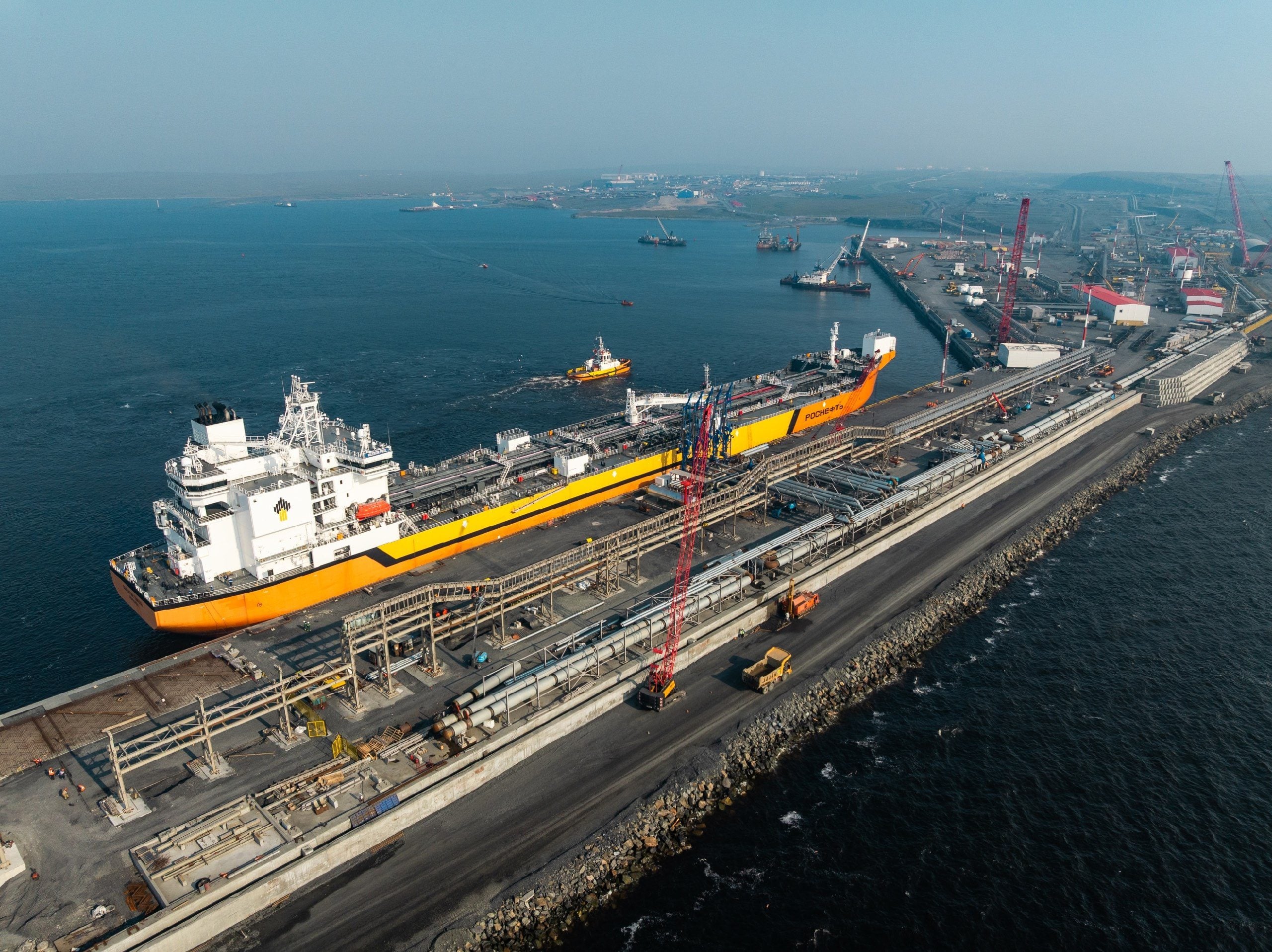
This year Russia’s oil and gas projects in the region will account for around 35-40 million tonnes of cargo. That figure is set to double over the next several years as new projects, including the massive Vostok Oil facility, come online.
A tanker carrying Russian diesel is expected to arrive in Norfolk, Virginia, on November 2, potentially becoming the first such shipment to reach the United States in more than three...
Along Russia’s remote Arctic coast last month, Igor Sechin stood beside a waiting tanker in the freezing cold with a message for Vladimir Putin: After years of construction, the country’s next great oil frontier was finally coming to life.
The European Union unveiled a new Arctic strategy Tuesday aimed at strengthening maritime security, expanding icebreaker capacity and protecting critical infrastructure as melting sea ice opens new shipping routes and...
October 20, 2026
Total Views: 677
Get The Industry’s Go-To News
Subscribe to gCaptain Daily and stay informed with the latest global maritime and offshore news
— just like 106,433 professionals
Secure Your Spot
on the gCaptain Crew
Stay informed with the latest maritime and offshore news, delivered daily straight to your inbox
— trusted by our 106,433 members
Your Gateway to the Maritime World!
Essential news coupled with the finest maritime content sourced from across the globe.

 Join The Club