Don’t Miss Your Daily Briefing for the Maritime Industry
Join the leading maritime news network
— trusted by our 107,344 members
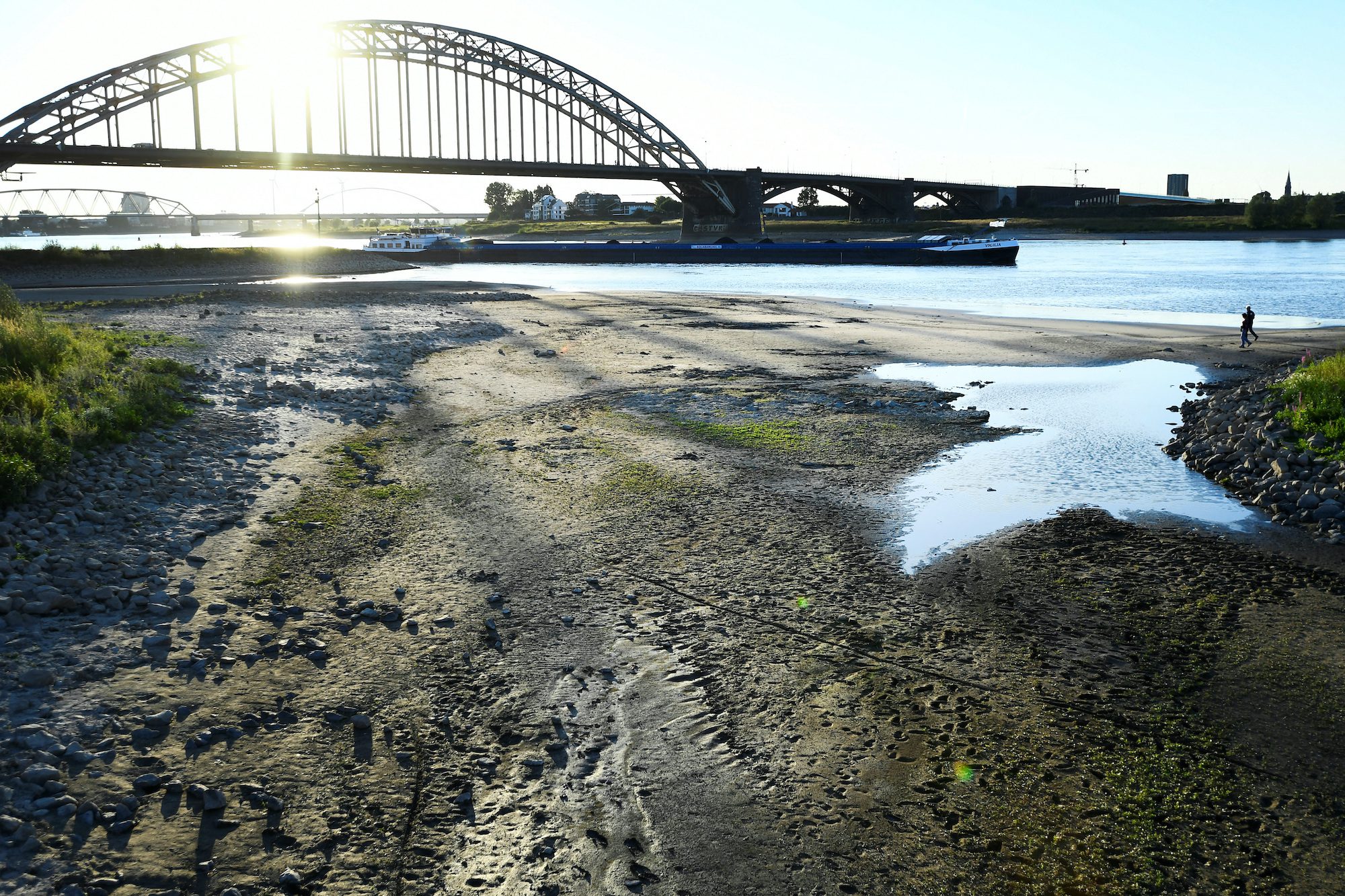
An inland vessel passes a river bed that is almost dry due to low water levels of the Waal River in Nijmegen, Netherlands August 7, 2022. REUTERS/Piroschka van de Wouw
Low Rhine Levels Force Companies To Adapt To New Normal
Sep 26, 2026 (Bloomberg) –The halls of the Development Center for Ship Technology and Transport Systems in Duisburg, Germany are lined with model ships, small-scale prototypes of vessels that may end up working on Europe’s busiest waterway, the Rhine.
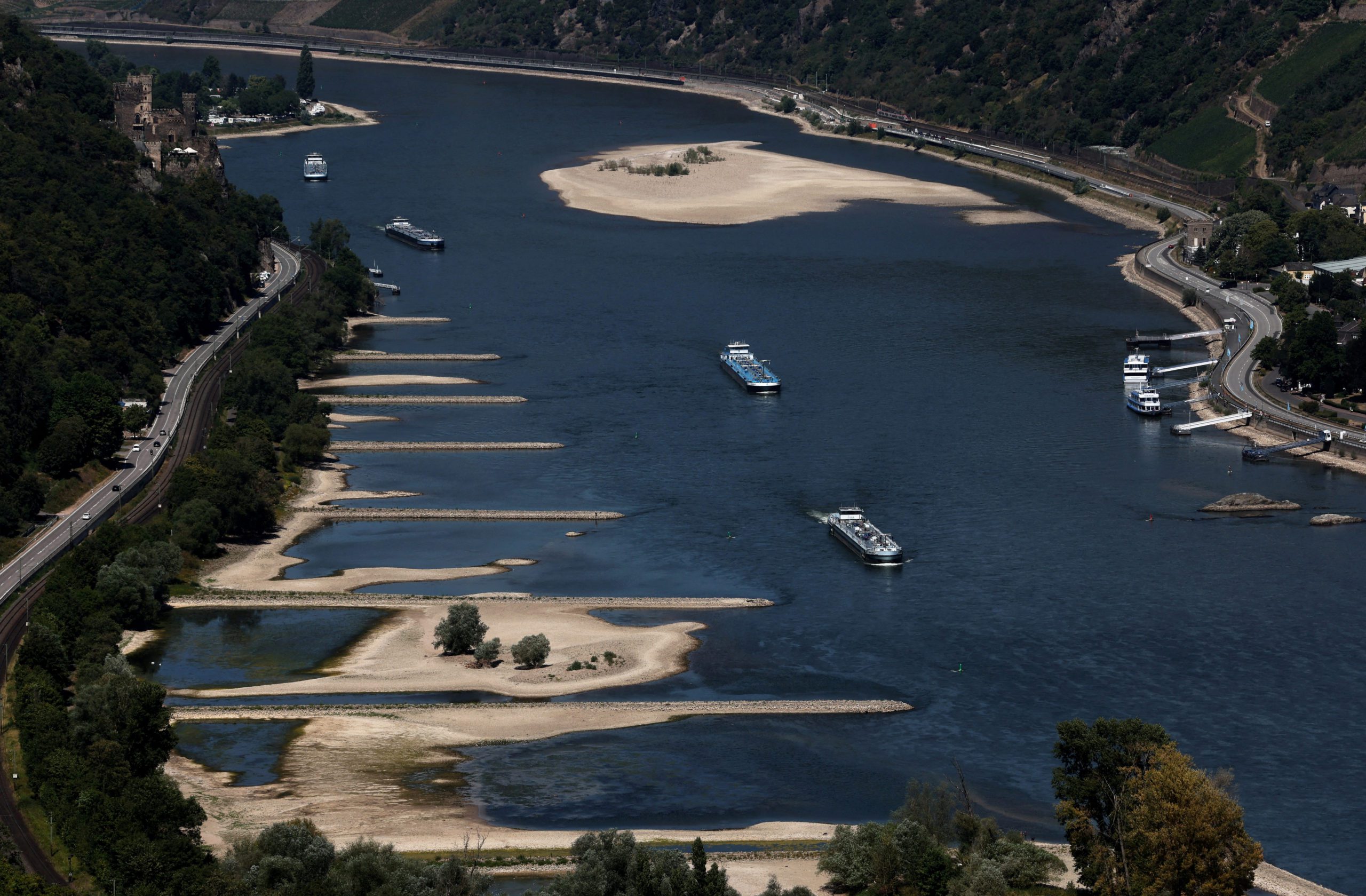
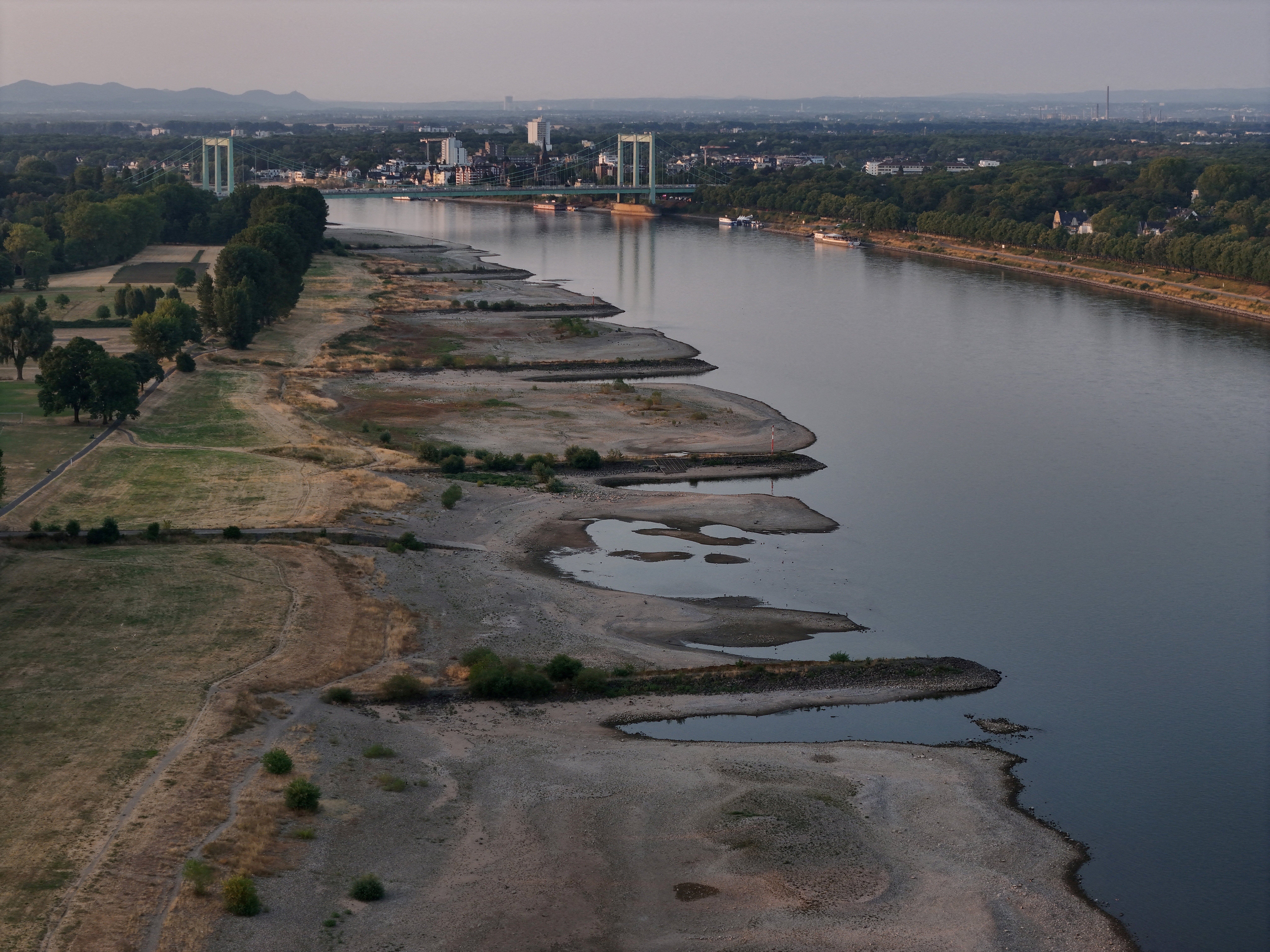
This year, DST’s researchers are focusing on how to cope with new constraints on the river. Water levels on the Rhine hit a record low this week, prolonging a shipping crisis caused by a summer of droughts across Europe. As climate change makes extreme weather conditions like this more likely, industries that relied on the river are having to adapt.
“Suddenly the Rhine becomes a source of uncertainty,” said DST researcher Cyril Alias, whose colleagues are working on vessels with smaller propellers and side-mounted wheels to help navigate shallower waters. “It’s crazy.”
The Rhine is a vital transportation artery connecting factories in Europe’s industrial heartland with global markets. Along the Rhine are major chemical plants, steelworks and refineries operated by companies including Covestro AG, BASF SE, Shell plc and Bayer.
Now, with water levels at some points the lowest in records stretching back to the 1880s, companies are confronting the possibility that reliable access to the Rhine can no longer be taken for granted.
The months-long disruption has forced chemical producers to curb output or declare force majeure on some products, exposing a widening divide between companies that invested in resilience after previous droughts and those that did not. Europe’s chemical industry is already grappling with weak demand, persistently high energy costs and growing competition from lower-cost producers in China and elsewhere.
“The chemical industry is already fighting for survival, so I understand why many companies haven’t made the necessary investments to protect themselves,” said Ruirui Zong-Rühe, a partner at consultancy Roland Berger.
Low water levels on the Rhine are pushing up transport costs, as more barges are needed to move the same amount of cargo. Freight costs are now around five times higher than at the start of the summer. Companies, including Lanxess AG and Shell, have shifted some shipments to rail and road, although these alternatives are also expensive.
The disruption has shown how industry can adapt. After a severe drought brought shipping to a near standstill in 2018, some companies invested in vessels designed specifically to navigate a shallower Rhine, as well as alternative rail and road links. Those investments are allowing them to keep goods moving this year even as conventional barges struggle.
Chemical giant BASF, for example, worked with logistics company HGK Group to develop a new generation of low-water vessel capable of carrying significantly more cargo in shallow conditions than traditional ships. BASF, which is also strengthening alternative transport links at its Ludwigshafen complex, said it doesn’t expect any “acute, major economic damage” from this year’s low water.
“The disruption has exposed a divide between companies that invested in resilience after the severe low-water episode of 2018 and those that did not,” Zong-Rühe said.
The industry as a whole may struggle to rapidly adapt. Of just 13 low-draft vessels available in Germany, nine belong to HGK. Replacing the wider fleet will take time because ships typically have a lifespan of around 50 years and the sector is highly fragmented, with many vessels owned by small, often family-run operators.
“If we want to modernize the fleet, we must enable small and medium-sized enterprises and individual shipowners in particular to invest in the next generation of vessels,” said Steffen Bauer, chief executive officer of HGK, who called for government support.
The problem is unlikely to disappear with the changing season. Low water has persisted for over two months and could stretch well into October, according to Rico Luman, senior sector economist for transport and logistics at ING Groep NV. Forecasts show the barge clearance level at Kaub, a key Rhine choke point, could stay near record low levels this weekend. The gauge doesn’t measure river depth, but helps operators determine how much cargo vessels can safely carry.
Companies have already started to work around the low-water constraints as much as possible, Luman said, but the record lows could still lead to new production cuts.
While companies are investing for an uncertain future, and technology can help them adapt, DST’s Alias warned that it’s unlikely they can mitigate all the risks.
“You can prepare as much as you want, you still lose,” he said. “You can cushion the impact, but you can’t avoid it without consequences.”
Water levels on the river Rhine in Germany remained stable this week, holding above record lows after recent rain and allowing vessels to carry larger cargoes, the country's inland navigation agency said on Friday.
The river Rhine in Germany has risen sharply after recent rain, the country’s inland navigation agency said on Monday, with vessels able to load more freight although problems with shallow water persisted.
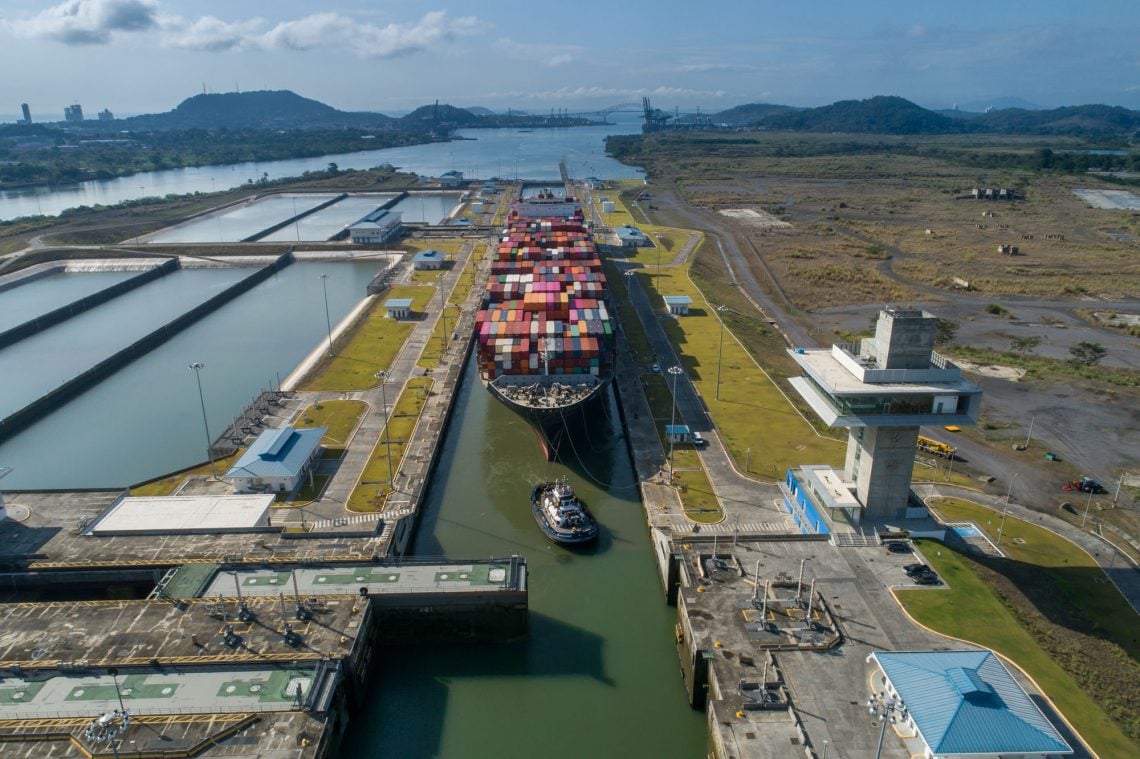
The Panama Canal is cutting daily transit capacity and overhauling its auction system as below-expected rainfall puts renewed pressure on the waterway’s freshwater supplies, just months after officials said they...
August 21, 2026
Total Views: 1298
Get The Industry’s Go-To News
Subscribe to gCaptain Daily and stay informed with the latest global maritime and offshore news
— just like 107,344 professionals
Secure Your Spot
on the gCaptain Crew
Stay informed with the latest maritime and offshore news, delivered daily straight to your inbox
— trusted by our 107,344 members
Your Gateway to the Maritime World!
Essential news coupled with the finest maritime content sourced from across the globe.

 Join The Club