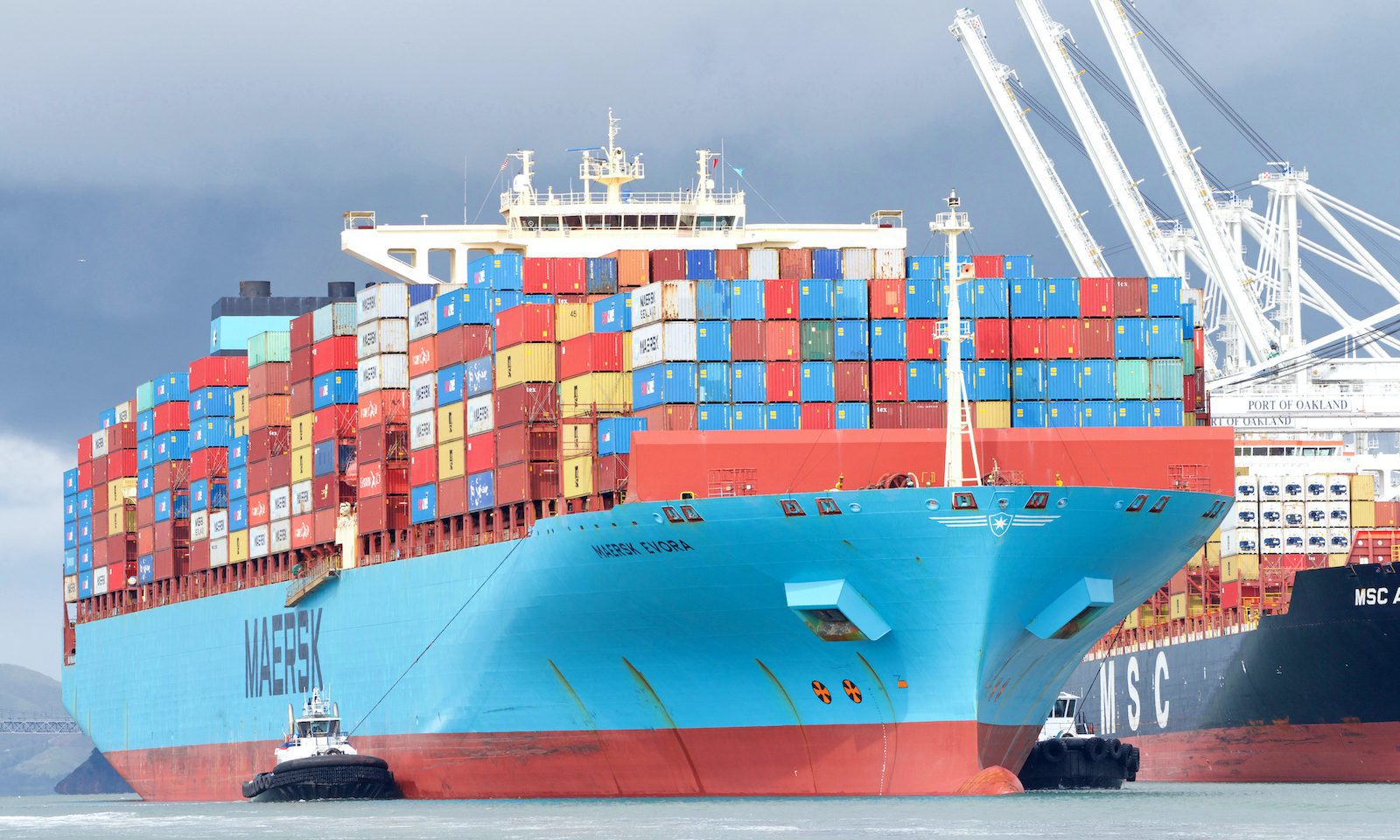
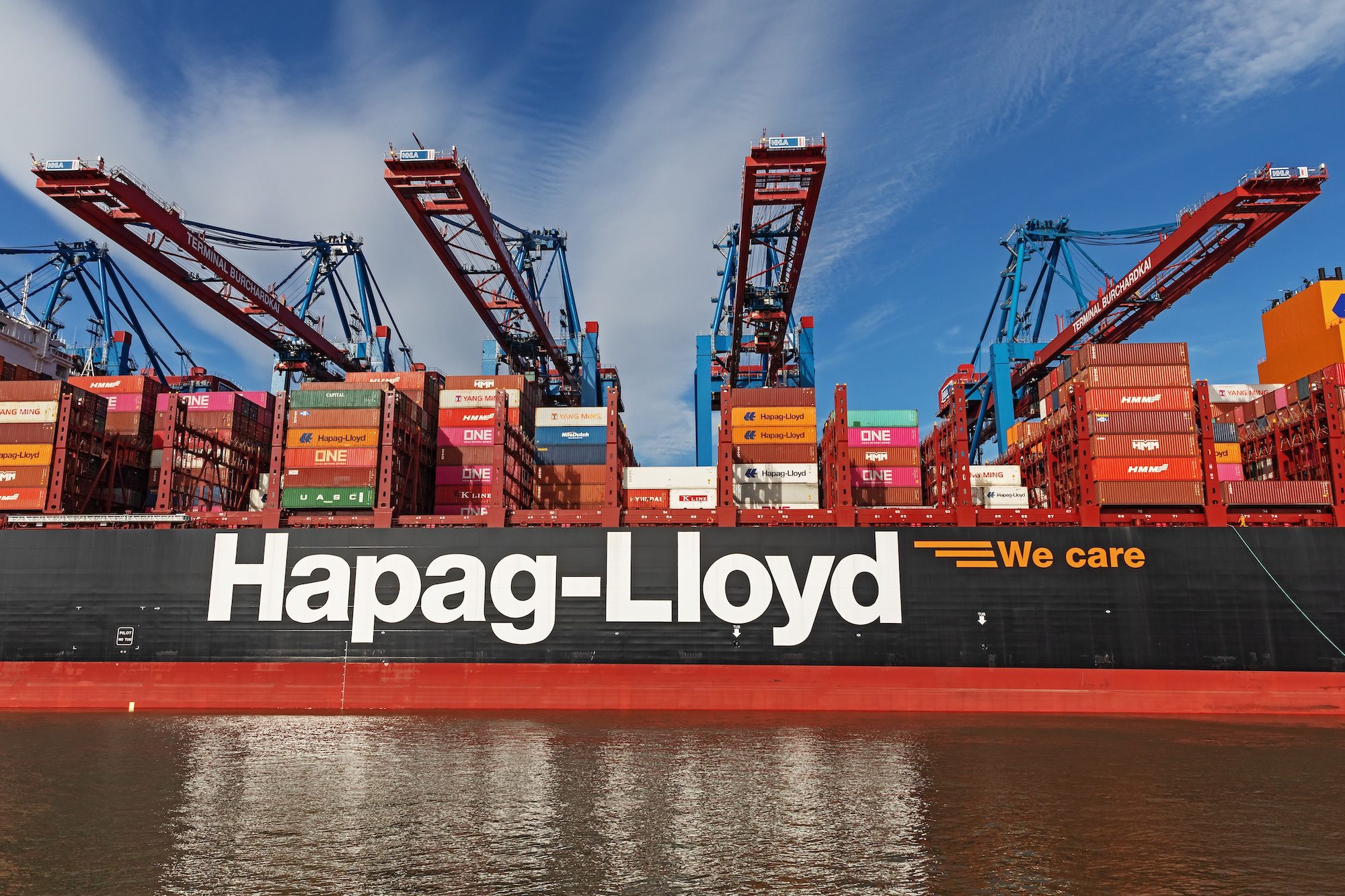
Vessels traversing the world’s oceans carry ballast tanks filled with seawater to ensure stability, trim and structural integrity. However, the water in ballast tanks contains micro-organisms that can wreak havoc on local maritime ecosystems when water originating in one environment is emptied into another.
A serious threat
 Experts estimate that at least 7,000 different species are being carried in ballast tanks around the world, and the International Maritime Organisation calls invasive marine species are one of the greatest threats to the world’s maritime ecosystems. The reason the problem is so serious is that, unlike damage from marine pollution such as oil spills, damaged caused by invasive species is usually irreversible.
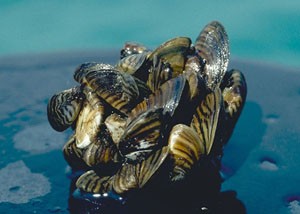
One example of the effect an invasive species can have on local ecosystems is the introduction of the European Zebra-mussel Dreissena polymorpha to the Great Lakes in the United States. It has infested over 40% of internal waterways, clogging water intakes and damaging equipment at hydro power plants.
Likewise, in the Black Sea, the filter-feeding North American jellyfish Mnemiopsis leidyi has depleted native plankton stocks to such an extent that it has contributed to the collapse of entire Black Sea commercial fisheries.
In several countries, microscopic, “red-tide” algae (toxic dinoflagellates) have been absorbed by filter-feeding shellfish such as oysters. When eaten by humans, these contaminated shellfish can cause paralysis and even death.
Cleaning up a maritime mess
To meet the challenge of invasive maritime species, Maersk has teamed up with Skjølstrup & Grønborg (
UltraAqua) and DESMI to establish DESMI Ocean Guard A/S, a joint venture specializing in ballast water treatment systems that can reduce the threat from invasive marine species in fragile ecosystems.
http://www.youtube.com/watch?v=o7hqxTHdGjw
A system has been developed that treats ballast water in three steps:
– filtration,
– UV radiation
– and ozone generated in-situ by the UV-system.
Right now the system is onboard Thurø Maersk for its final test before receiving IMO certification. It is expected that the system will be fully approved by April 2012. It is worth mentioning that DESMI Ocean Guard ballast water treatment system is the only UV based system in the industry that has been successfully tested in fresh water. This ensures it will function without problems in any kind of environment, also in fresh water harbors such as Hamburg, Antwerp and several strategically important Asian ports .
The system is highly effective while also consuming very little energy – making it both affordable and environmentally friendly. During tests the total energy consumption of the system has at all times been less than 11 kWh / 100 m3. In higher salinity waters the energy consumption is even lower, around 9 kWh / 100 m3.
DESMI Ocean Guard’s unique ozone generating low pressure UV lamps allow us to do double treatment, UV and ozone, with very low power consumption. Tests have shown that our system is very effective and exceeds the requirements from IMO. Tests also showed that fresh water is particularly challenging, but by optimizing the system we managed, as the first, to pass the IMO tests also in fresh water”, – says Rasmus Folsø from Maersk Maritime Technology that has been working closely with the project in the last few years.
Steaming ahead towards 2019
The
International Maritime Organisation has acknowledged the problem of invasive maritime species and adopted a convention that requires all vessels to clean their ballast water to prevent the transfer of micro-organisms from one ocean to another. New and existing commercial vessels will be required to have a cleaning system in place by 2019 at the latest, depending on the ballast water capacity of the vessel.
Ballast water
Ballast is any material used to weight and/or balance an object. One example is the sandbags carried on conventional hot-air balloons, which can be discarded to lighten the balloon’s load, allowing it to ascend. Ballast water is water carried by ships to ensure stability, trim and structural integrity.
Editorial Standards · Corrections · About gCaptain

 Join The Club