View from inside the tank of an LNG carrier, image via gCaptain contributor Sterling Reilly
 By Henning Gloystein and Oleg Vukmanovic
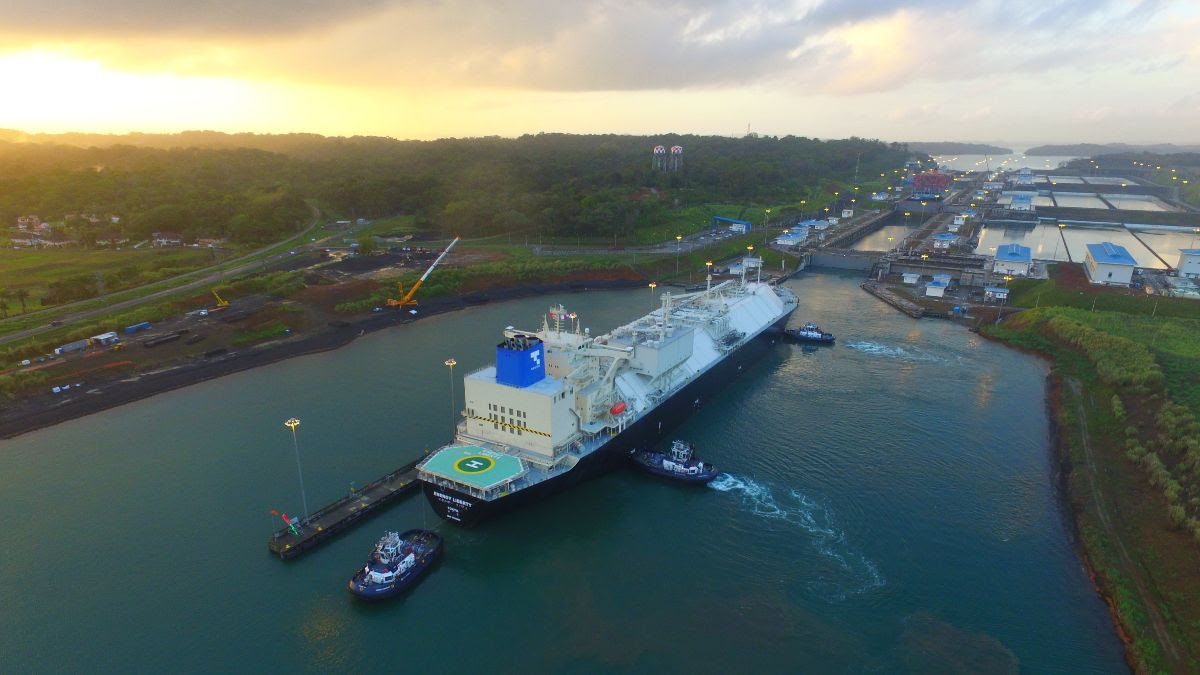
SINGAPORE/MILAN, Feb 13 (Reuters) – Over a dozen liquefied natural gas (LNG) tankers are parked, many idle, in and around Singapore – one of the world’s biggest trading hubs for the fuel – in a sign that the slowdown engulfing world gas markets may be worsening into a crisis.
With Asian spot LNG prices down by almost two-thirds since February 2014 as slowing demand combines with rising output, shippers are parking their tankers close to ports like Singapore where unused ships can be easily maintained and serviced until new orders come in.
Leading ship brokers estimate over one-tenth of the global fleet of 400 LNG tankers is currently unused because of slowing growth in Asia’s biggest economies. The impact just in Singapore suggests the problem could be worse.
“There are currently 30 to 40 (oil and gas) tankers sitting in Singapore, many without anything to do,” said Javier Moret, head of LNG origination at Germany’s biggest power producer RWE during a conference in Singapore this week.
According to shipping data on Thomson Reuters, seven tankers have been sitting idle off the east coast of Johor, Malaysia, for over two weeks, and another two ships have been anchored south of Batam, Indonesia, for several months. Half a dozen LNG tankers are in Singaporean docks.
The 15 ships have a combined capacity to carry 2.26 million cubic metres of LNG, about two weeks worth of Singapore’s gas demand.
For ship owners, idled tankers mean a loss of $60,000 in daily chartering fees per vessel. The gas these 15 tankers can carry would be worth over $200 million in current market terms.
Around a year ago, that amount of LNG would have been worth almost $600 million.
Singapore’s location between producers in the Middle East, Australia and the Atlantic basin and large consumers in Japan, South Korea and China means that most tankers stop by here to take on fuel or undergo repair and maintenance work.
At least partly triggered by the oil price crash, gas markets have seen an Asian price premium over Europe drop from over $10 per million British thermal units (mmBtu) a year ago to a discount of over $1.50, making it unattractive to ship gas between the two regions and eroding tanker demand.
In Asia, LNG prices have fallen to around $6.90 per mmBtu from over $20/mmBtu a year ago. The benchmark British price, meanwhile, is around $8.50/mmBtu.
The crash in demand in Asia is so severe that some analysts say the future of the entire LNG industry may be impacted.
“The weakness in energy markets is threatening to derail LNG’s emergence as the pre-eminent energy source,” ANZ bank said this week in a research note.
TUMBLING TANKER RATES
Along with energy prices, tanker rates have also tumbled. British-based shipping services firm Clarkson says daily LNG charter rates have fallen from $90,000 in 2013 to $60,000 currently.
“Our view is that LNG freight rates will remain in the doldrums this year,” said Erik Stavseth, shipping analyst at Arctic Securities, adding that he only saw gradual improvement before 2018.
Traders said LNG tankers weren’t just being idled around Singapore, but that this was also an issue in the Atlantic basin where Europe’s economies struggle to return to growth.
The sharp fall in LNG prices and freight costs comes as slowing demand clashes with rising output.
Japan and South Korea, the world’s biggest LNG importers, have both reduced imports as their economies stutter.
An expected restart of Japanese nuclear power stations later this year following a shut-down in the wake of the reactor meltdowns at Fukushima in 2011 is expected to further pull down LNG demand.
With China’s economy growing at its lowest rate in over 20 years, imports there are also slowing, while at the same time as supplies are rising.
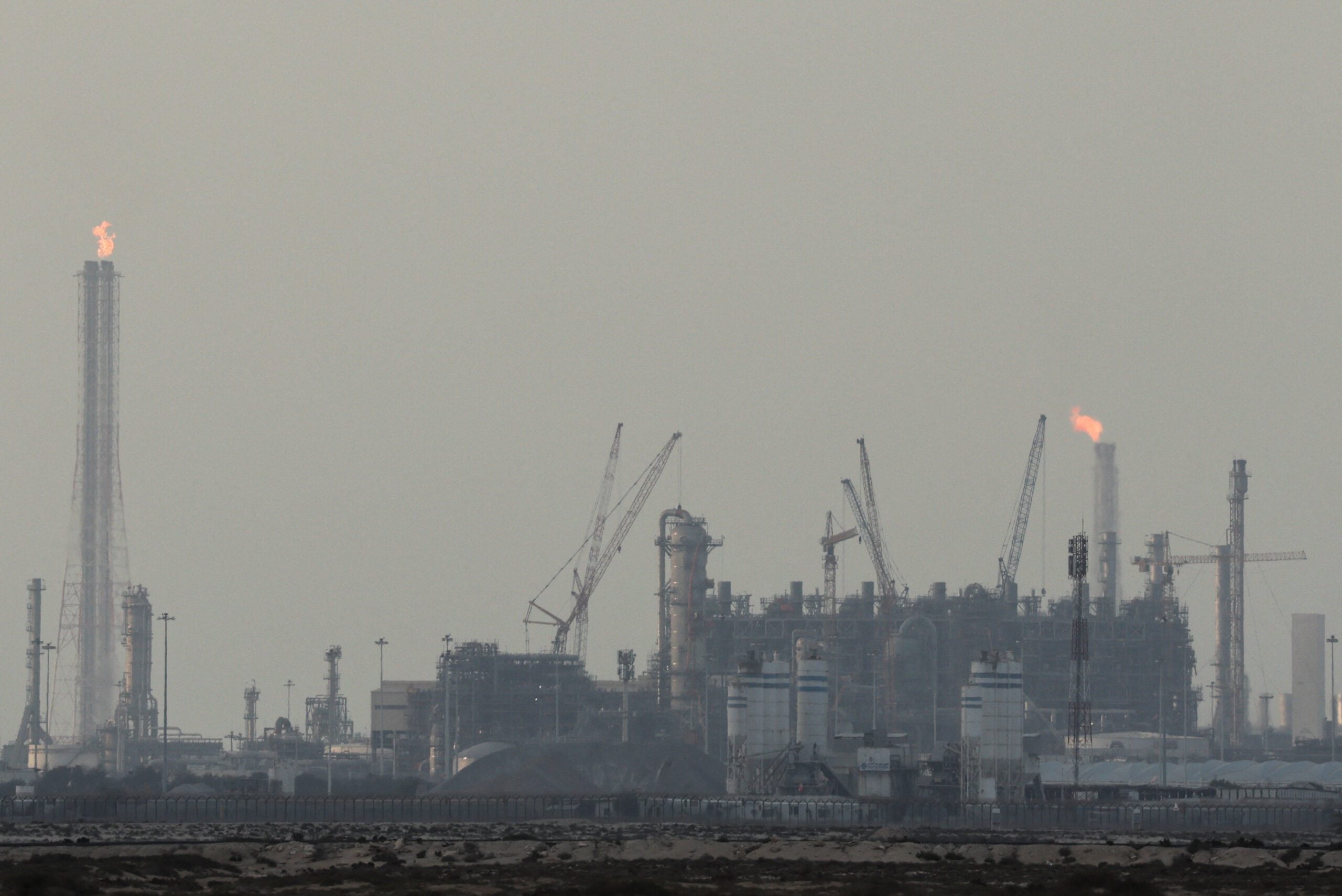
Australia’s LNG export capacity is set to more than triple to 86 million tonnes a year before 2020, putting it ahead of current leader Qatar which exports 77 million tonnes annually and U.S. expectations of selling 61.5 million tonnes per year by 2020.
(Additional reporting by Keith Wallis in Singapore and Sarah McFarlane in London; Editing by Raju Gopalakrishnan)
(c) 2015 Thomson Reuters, All Rights Reserved
Updated: December 3, 2021 (Originally published February 13, 2015)
Editorial Standards · Corrections · About gCaptain
This article contains reporting from Reuters, published under license.

 Join The Club