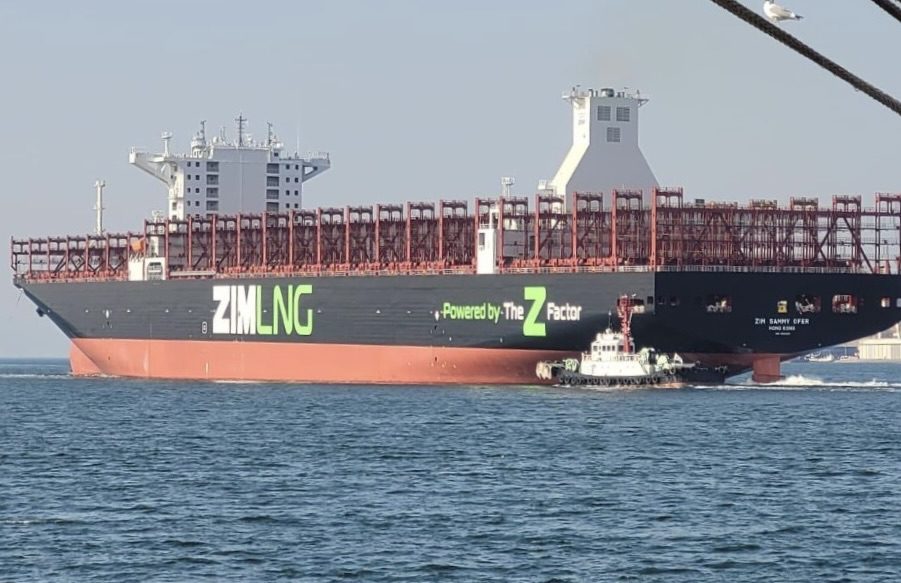
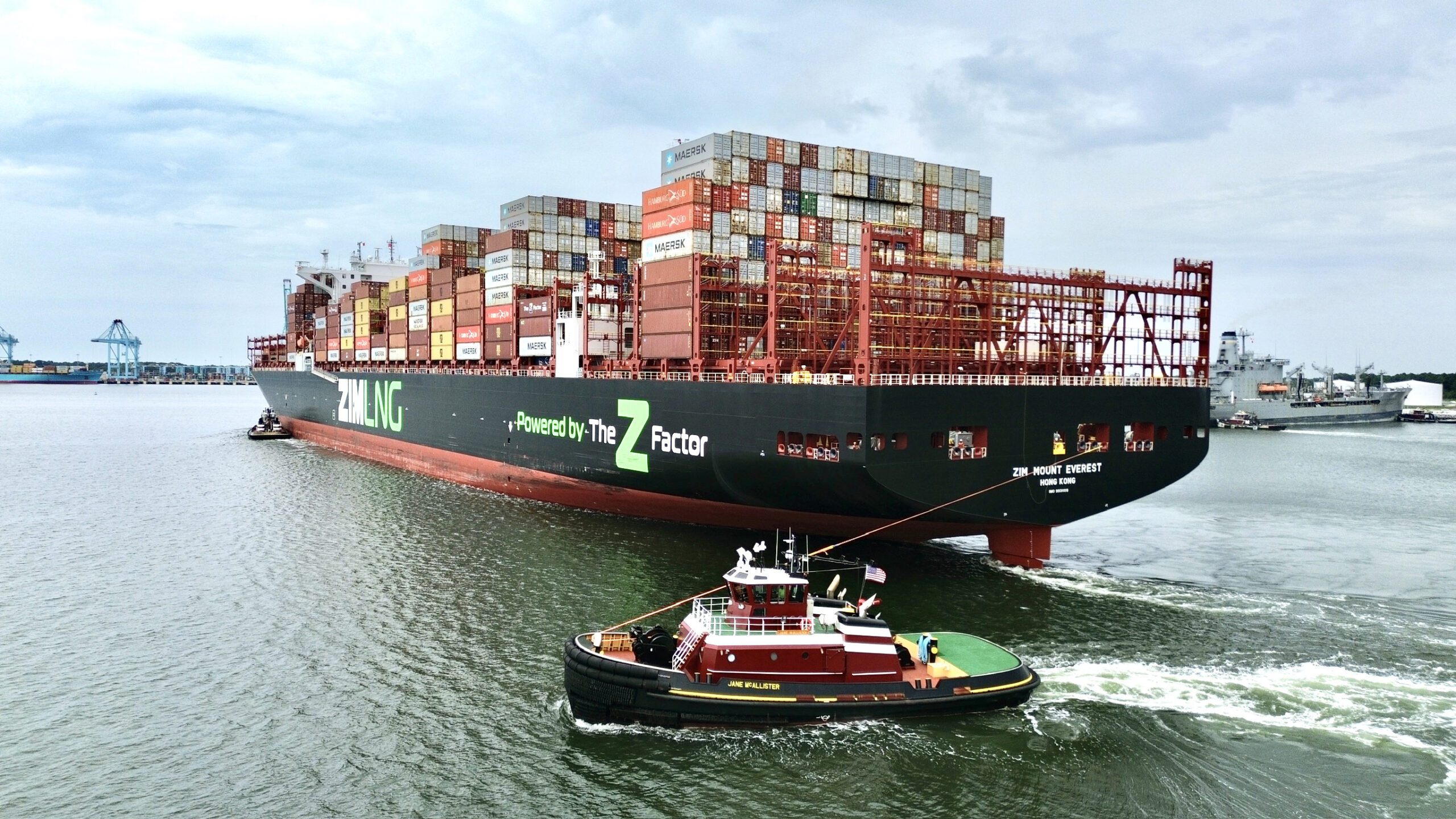
ZIM Integrated Shipping Services is navigating a complex strategic review that could reshape the Israeli container liner’s future, as its board evaluates multiple acquisition proposals while grappling with a volatile freight rate environment that has slashed earnings by more than half compared to a year ago.
The Haifa-based carrier announced in late November that it has received indications of interest from multiple parties, including strategic buyers, following a preliminary non-binding proposal from CEO Eli Glickman and Rami Ungar to acquire all outstanding shares. The board engaged Evercore as financial advisor and Meitar Law Offices and Skadden, Arps, Slate, Meagher & Flom as legal counsel to evaluate alternatives focused on maximizing shareholder value.
The announcement comes as ZIM acknowledged—but did not confirm or deny—acquisition rumors in August, stating it does “not comment on market rumors or speculation.”
Founded in 1945, ZIM debuted on the New York Stock Exchange during the height of the COVID-19 supply chain crisis in January 2021 and quickly became one of the sector’s most closely watched stocks—and at times, one of its best performers.
The strategic review also comes as ZIM reported third-quarter net income of $123 million, down 89% from $1.126 billion in the same period last year. Revenues fell 36% year-over-year to $1.78 billion, driven primarily by a 35% decline in average freight rates to $1,602 per TEU.The company’s adjusted EBITDA dropped 61% to $593 million.
“Our business resilience was evident in the third quarter, during which we delivered solid earnings while navigating a volatile rate environment, influenced by a complex geopolitical landscape, frequent changes in tariff policies and an ongoing global trade war,” Glickman stated.”With larger, more modern, cost-effective capacity, we continued to capitalize on our agile fleet deployment strategy, which enables ZIM to respond quickly to developments in market conditions, now facing downward pricing pressure.”
Despite the sharp earnings decline, ZIM’s board declared a third-quarter dividend of $37 million, or $0.31 per share, representing 30% of quarterly net income.Since its initial public offering approximately five years ago, the company has distributed roughly $5.7 billion to shareholders—more than 25 times the amount raised in its January 2021 IPO.
The company strengthened its board with two new independent directors, Yair Avidan and Dr. Yoram Turbowicz, to supplement its financial and transactional expertise during the review process. ZIM has indicated it will not provide updates on the strategic review until an agreement is reached or the process concludes.
Looking ahead, ZIM updated its full-year 2025 guidance, now expecting adjusted EBITDA between $2.0 billion and $2.2 billion and adjusted EBIT between $700 million and $900 million, up from previous ranges of $1.8 billion to $2.2 billion and $550 million to $950 million, respectively.
Glickman acknowledged the challenging environment but expressed confidence in the company’s positioning. “While fourth quarter market conditions have weakened, we are increasing the midpoints of our 2025 guidance ranges based on our strong performance to date,” he said. “Overall, we believe our differentiated commercial strategy, enhanced fleet profile, and improved cost structure position ZIM to weather near-term volatility and deliver long-term value for shareholders.”
The company maintained a net debt position of $2.64 billion as of September 30, 2025, with a net leverage ratio of 0.9x.
Editorial Standards · Corrections · About gCaptain

 Join The Club