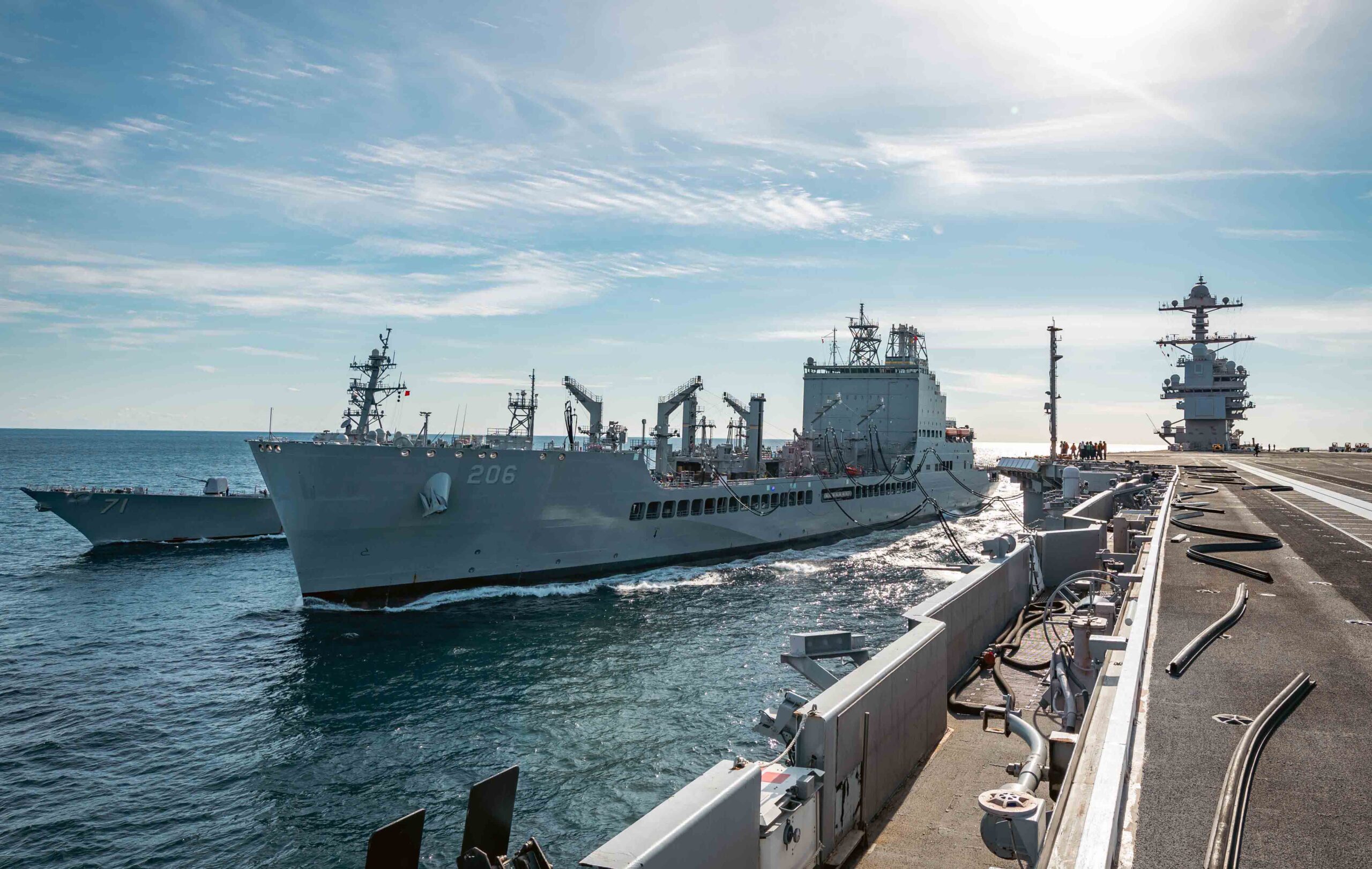
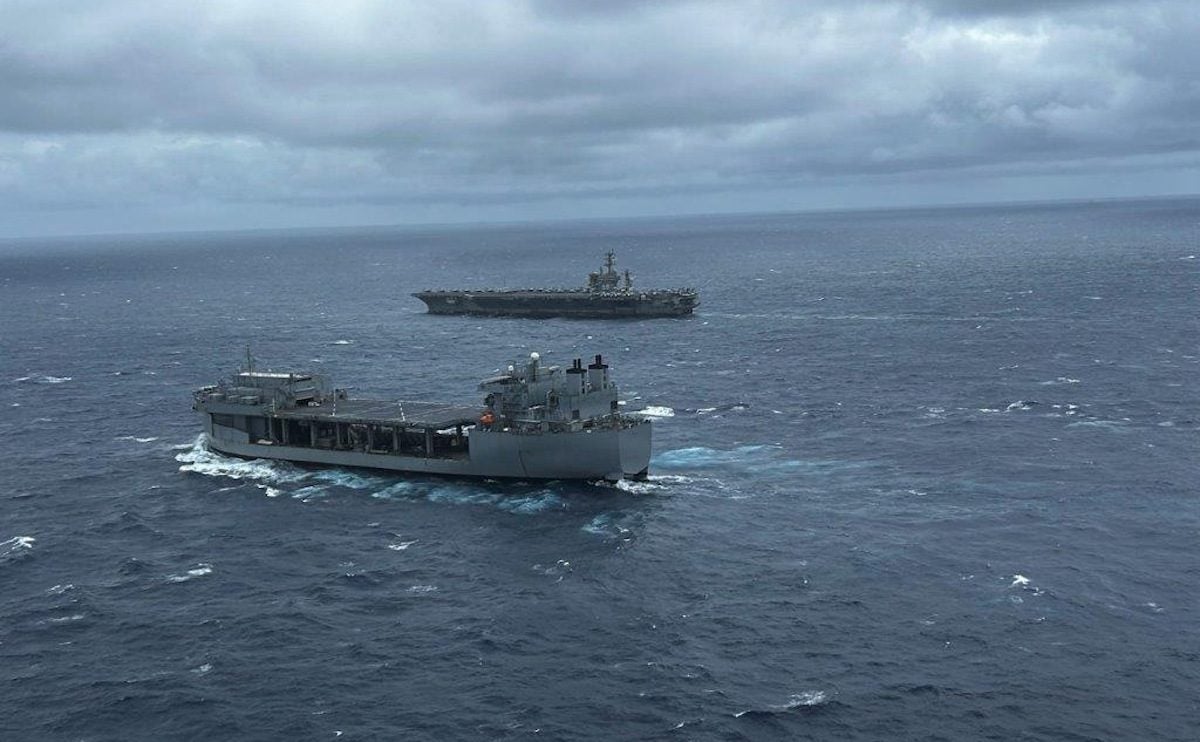
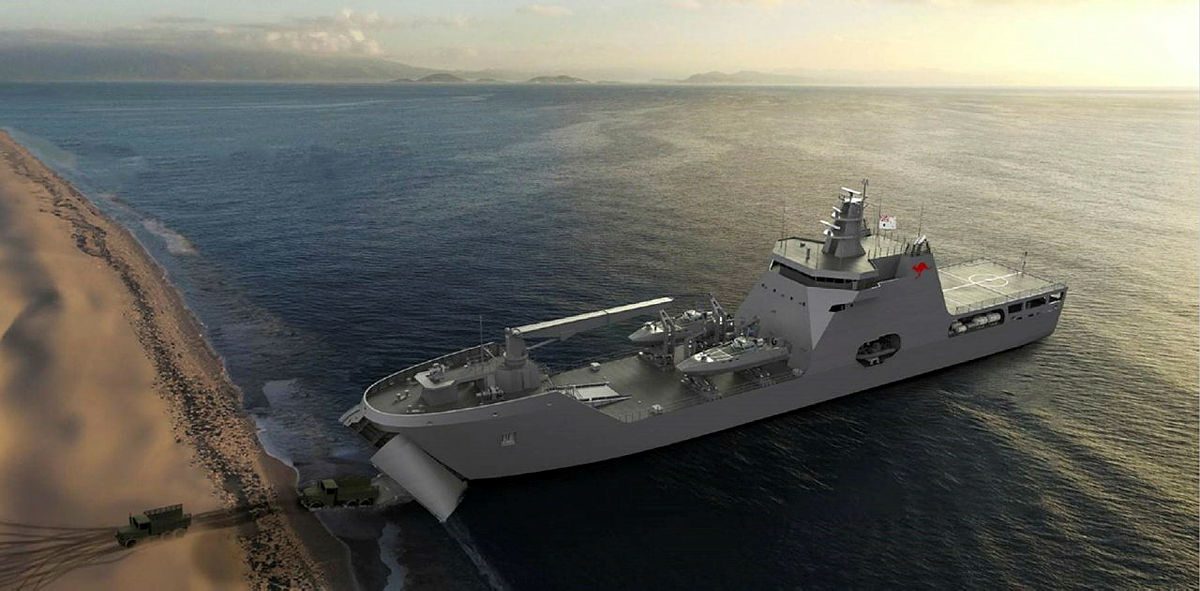
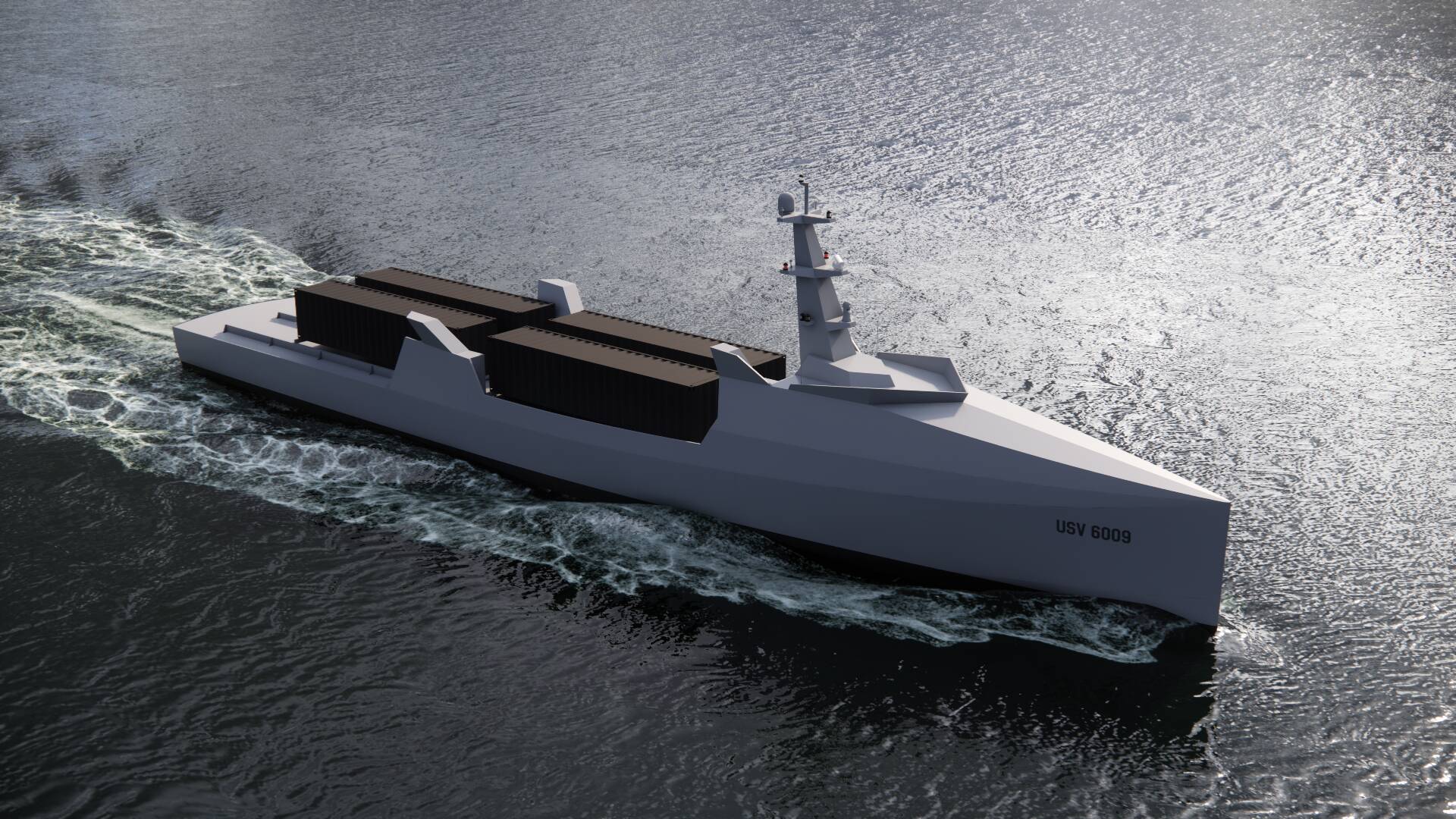
Houston-based Vard Marine US, Inc. has secured a contract with the U.S. Navy to help define the service’s future logistics fleet, advancing early-stage design work on the Next Generation Logistics Ship (NGLS), also known as the light replenishment oiler (T-AOL).
The award tasks Vard Marine with conducting a comprehensive market survey and developing concept designs for the new platform, which is expected to deliver refueling, resupply, and rearmament capabilities in a smaller, more flexible vessel. The Navy is emphasizing the use of commercially available, proven technologies—an approach aimed at reducing cost, risk, and development timelines.
The initial phase centers on analyzing existing domestic and international ship designs that could meet the Navy’s requirements. Within two months, Vard Marine is expected to present its findings before narrowing down and refining a baseline concept through iterative design work. The contract also includes options for additional functional design planning and specialized studies.
“This is about delivering a refined, cost-effective, and operationally superior platform,” said Darren Truelock, president of Vard Marine US, highlighting the company’s continued role in supporting U.S. Navy logistics modernization.
To support the effort, Vard Marine has assembled a team of industry partners, including Hanwha Defense USA and Hanwha Philly Shipyard, which will contribute shipbuilding expertise, production planning, and cost evaluation tied to U.S. construction. The deal marks the first U.S. Navy contract awarded to Hanwha Defense USA since the company’s establishment and Hanwha’s December 2024 acquisition of the Philly Shipyard.
“Hanwha is proud to partner with VARD in the design and integration of the Next Generation Logistics Ship for the U.S. Navy,” said Hanwha Defense USA President of Shipbuilding Tom Anderson. “This award represents an important step in our ability to leverage our world-class shipbuilding expertise in building the ships the Navy needs to support our servicemembers deployed in contested maritime domains.”
The team also includes Siemens Energy, which will focus on propulsion and electrical systems integration. The company’s involvement signals a likely emphasis on advanced electric propulsion architectures—an increasingly common feature in both naval auxiliaries and commercial vessels.
Consulting support will be provided by Acumen Aerospace and Defense Advisors.
The NGLS program reflects a broader shift in U.S. naval strategy toward distributed operations and more agile logistics support in contested environments. Rather than relying solely on large fleet oilers, the Navy is exploring smaller, more numerous platforms capable of sustaining operations closer to the point of need—both at sea and ashore.
Vard Marine operates as part of Vard Group, which is majority-owned by Italian shipbuilding giant Fincantieri. The group has extensive experience designing specialized vessels, including naval auxiliaries, icebreakers, and offshore support ships.
While still in the concept phase, the NGLS effort marks an early but important step in shaping the Navy’s next generation of logistics vessels—platforms expected to play a critical role in sustaining forward operations as maritime competition intensifies.
The Light Replenishment Oiler (T-AOL) program—previously known as the Next-Generation Logistics Ship—envisioned as a new class of 13 smaller, lower-cost logistics vessels designed to support distributed operations in contested environments.
Unlike the $800 million-plus John Lewis–class oilers, early estimates put T-AOL procurement costs at roughly $453 million per ship. The Navy’s FY2026 budget submission indicates the first vessel is now expected in FY2028, following earlier delays.
Editorial Standards · Corrections · About gCaptain

 Join The Club