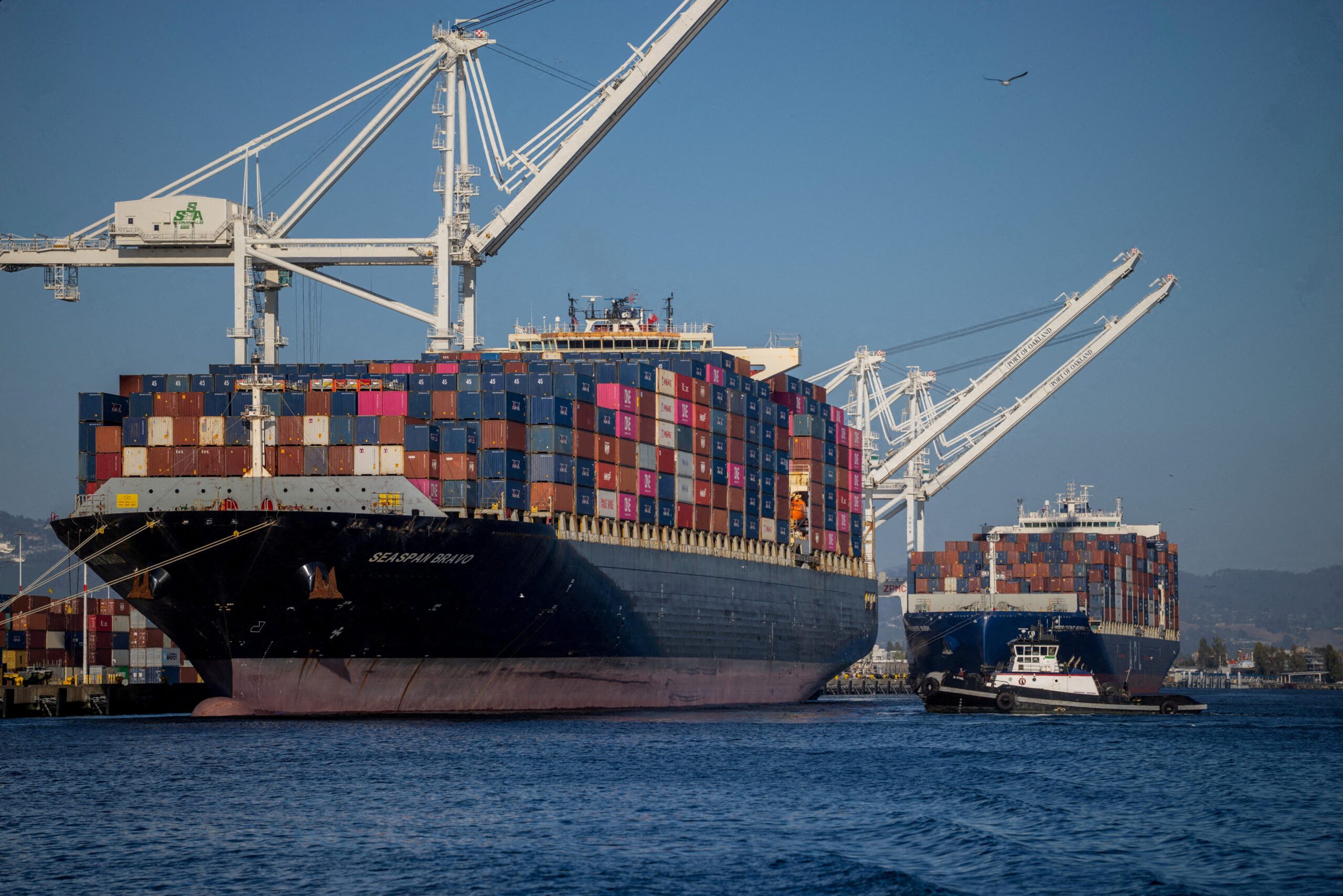
The Trump administration is proposing to extend its suspension of port fees targeting China-linked vessels for another two months, pushing their potential return into January 2027 as Washington and Beijing continue negotiations over China’s dominance of global shipbuilding.
The proposal, outlined in a Federal Register notice scheduled for publication October 26, would extend the existing one-year suspension through January 9, 2027. The current pause is set to expire November 9.
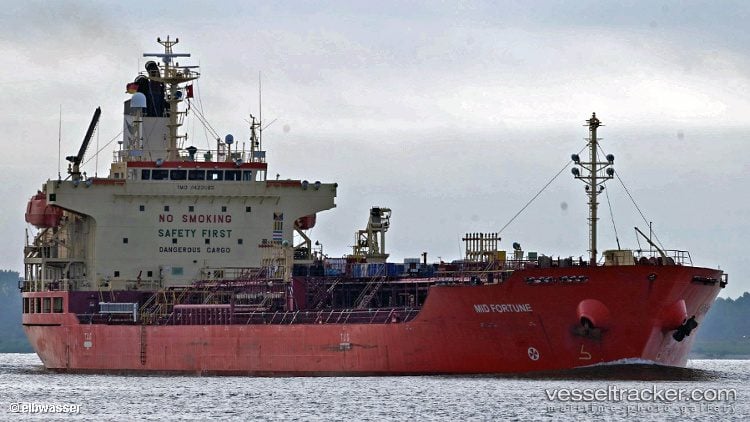
The extension would provide another reprieve for shipping companies facing potentially significant fees on Chinese-owned, Chinese-operated and Chinese-built vessels calling at U.S. ports, as well as certain foreign-built vehicle carriers.
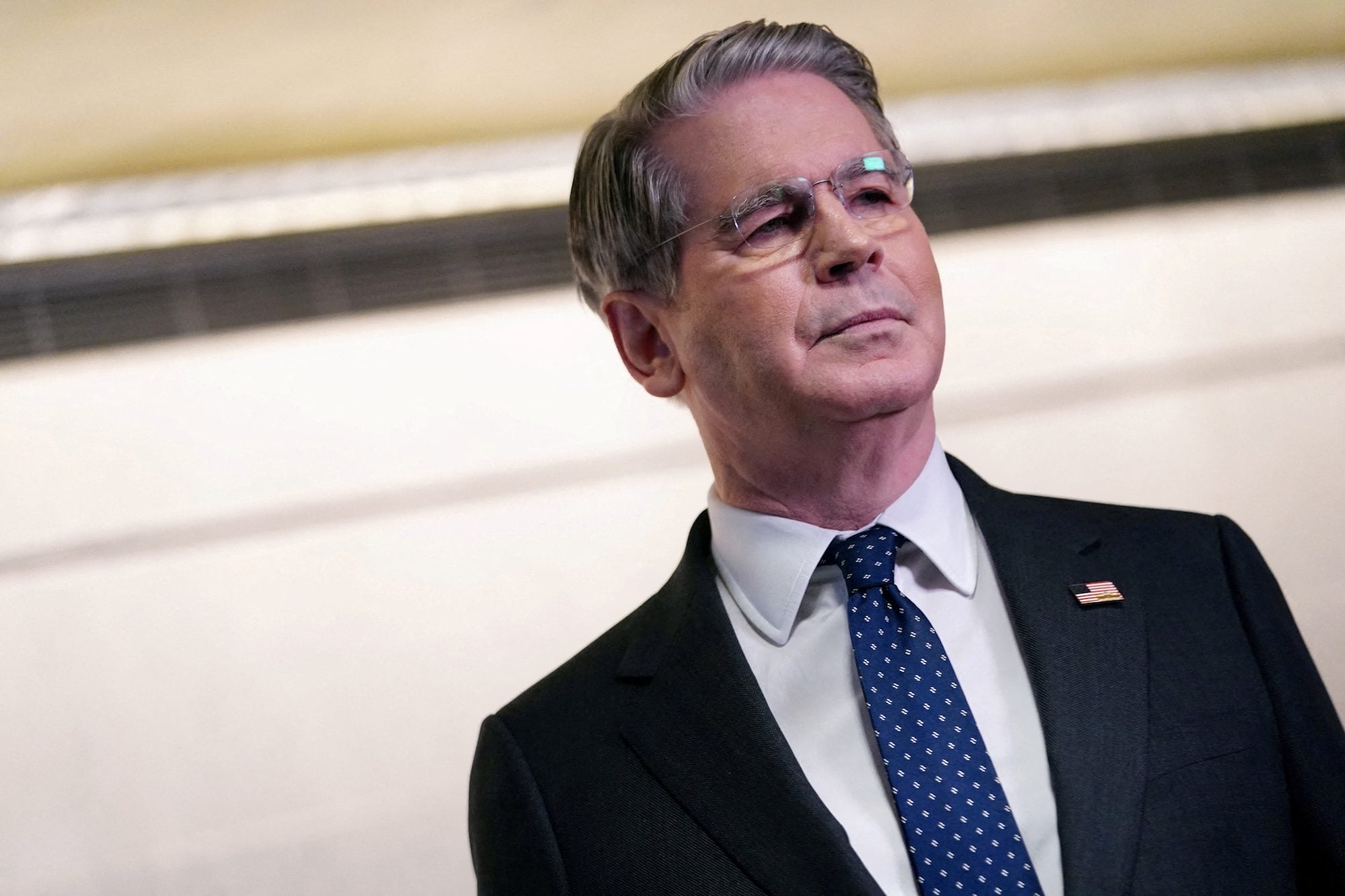
“The United States is continuing to engage with China with the goal of obtaining the elimination of the acts, policies, and practices at issue in the investigation,” USTR said in the notice.
Under the proposal, the measures would remain suspended from November 10, 2026, through January 9, 2027. During that period, shipping companies would not incur liability for port fees under Annexes I, II and III of the original Section 301 action. The suspension would also continue to cover certain duties on ship-to-shore cranes and cargo-handling equipment.
The proposed extension comes nearly a year after President Donald Trump and Chinese President Xi Jinping agreed to suspend the port fees as part of a broader trade agreement reached in South Korea.
Washington began collecting the fees on October 14, 2025, but suspended them on November 10, meaning the measures were in effect for less than four weeks. China also suspended its retaliatory fees on U.S.-linked vessels.
The original measures emerged from a Section 301 investigation launched during the Biden administration following a 2024 petition by the United Steelworkers and other labor organizations. The investigation concluded that China’s industrial policies and subsidies distorted global competition and undermined U.S. commerce.
The resulting port fees became a central part of the Trump administration’s strategy to counter China’s maritime dominance and encourage investment in American shipbuilding.
Growing Pressure to Reinstate Fees
The latest proposal comes despite mounting pressure from some lawmakers and maritime labor groups to bring the fees back.
In June, Senators Mark Kelly (D-Ariz.) and Elizabeth Warren (D-Mass.) urged the administration to immediately reinstate the measures, arguing that their suspension undermined efforts to rebuild the U.S. commercial shipbuilding industry.
“Section 301 port fees are critical to revitalizing U.S. shipbuilding,” the senators wrote in a letter to U.S. Trade Representative Jamieson Greer.
The lawmakers pointed to China’s growing share of global shipbuilding, noting that Chinese yards now account for more than half of global commercial vessel production, compared with just 0.1% for the United States.
They also questioned whether Washington had secured meaningful concessions from Beijing in exchange for suspending the fees and how the administration intended to fund its proposed Maritime Security Trust Fund without the revenue.
Maritime labor unions have similarly criticized the suspension, arguing that it weakens one of the few measures specifically designed to counter China’s state-supported shipbuilding industry.
Shipping companies, meanwhile, have welcomed the reprieve.
The original fees threatened to impose substantial costs on carriers and disrupt established shipping networks. During the brief period the measures were active, U.S. carrier Matson reported incurring $6.4 million in reciprocal Chinese port fees, while China’s state-owned COSCO faced an estimated $1.5 billion in annual U.S. charges.
Andy Abbott, CEO of ACL, told gCaptain that any port fees would impact its growing US export business, and customers are concerned ACL.
“ACL’s unique ships were mistakenly classified by USTR as vehicle carriers even though only 1% of its cargo is automobiles,” explained Abbott. “Our largest US container and heavy machinery customers were panicking that we would redeploy our ships out of the US trade to the booming China trade. This development allows us to continue serving the US market with the fastest transit times from the US East Coast to Europe.”
The International Chamber of Shipping (ICS) and World Shipping Council both welcomed last year’s suspension, warning that the competing U.S. and Chinese measures risked increasing transportation costs and disrupting global trade.
A Broader Debate Over Port Fees
The proposed extension also comes as the administration considers a much broader port fee system under its Maritime Action Plan, unveiled earlier this year.
Unlike the China-specific Section 301 measures, the plan envisions fees on all foreign-built commercial vessels calling at U.S. ports, with proceeds supporting domestic shipbuilding through a proposed Maritime Security Trust Fund.
The plan outlined potential fees ranging from 1 cent to 25 cents per kilogram of imported cargo, which the administration estimated could generate as much as $1.5 trillion over 10 years at the upper end.
ICS has warned that such broad-based charges could significantly increase shipping costs and disrupt global trade, even as it supports efforts to expand U.S. shipbuilding capacity.
The proposals underscore the competing pressures facing the administration as it seeks to revive American shipyards without imposing additional costs on U.S. importers, exporters and consumers.
For now, the latest USTR proposal would leave the China-specific port fee measures on hold for another two months, while negotiations continue.
USTR has opened a public comment period on the extension, with submissions due by 5 p.m. Eastern Time on October 30. Comments can be filed through the USTR public comment portal under docket USTR-2026-0694.
The extension has not yet been finalized. The notice also does not address whether China will extend its own suspension of retaliatory fees on U.S.-linked vessels.

 Join The Club