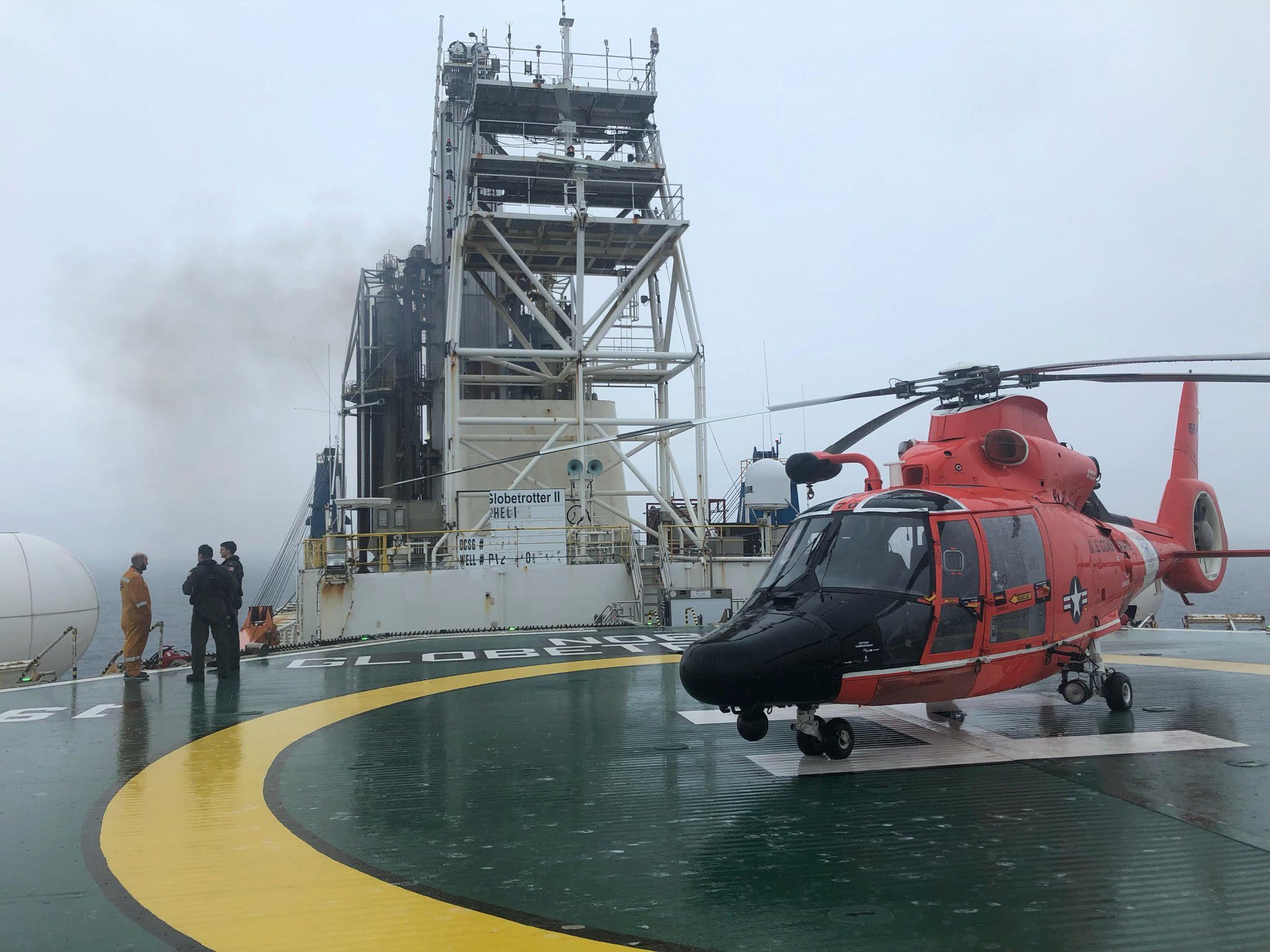
The U.S. Coast and Bureau of Safety and Environmental Enforcement (BSEE) have issued a joint safety alert, Safety Alert 05-22, in response to an incident involving the ultra-deepwater drillship Noble Globetrotter II during Hurricane Ida last year.
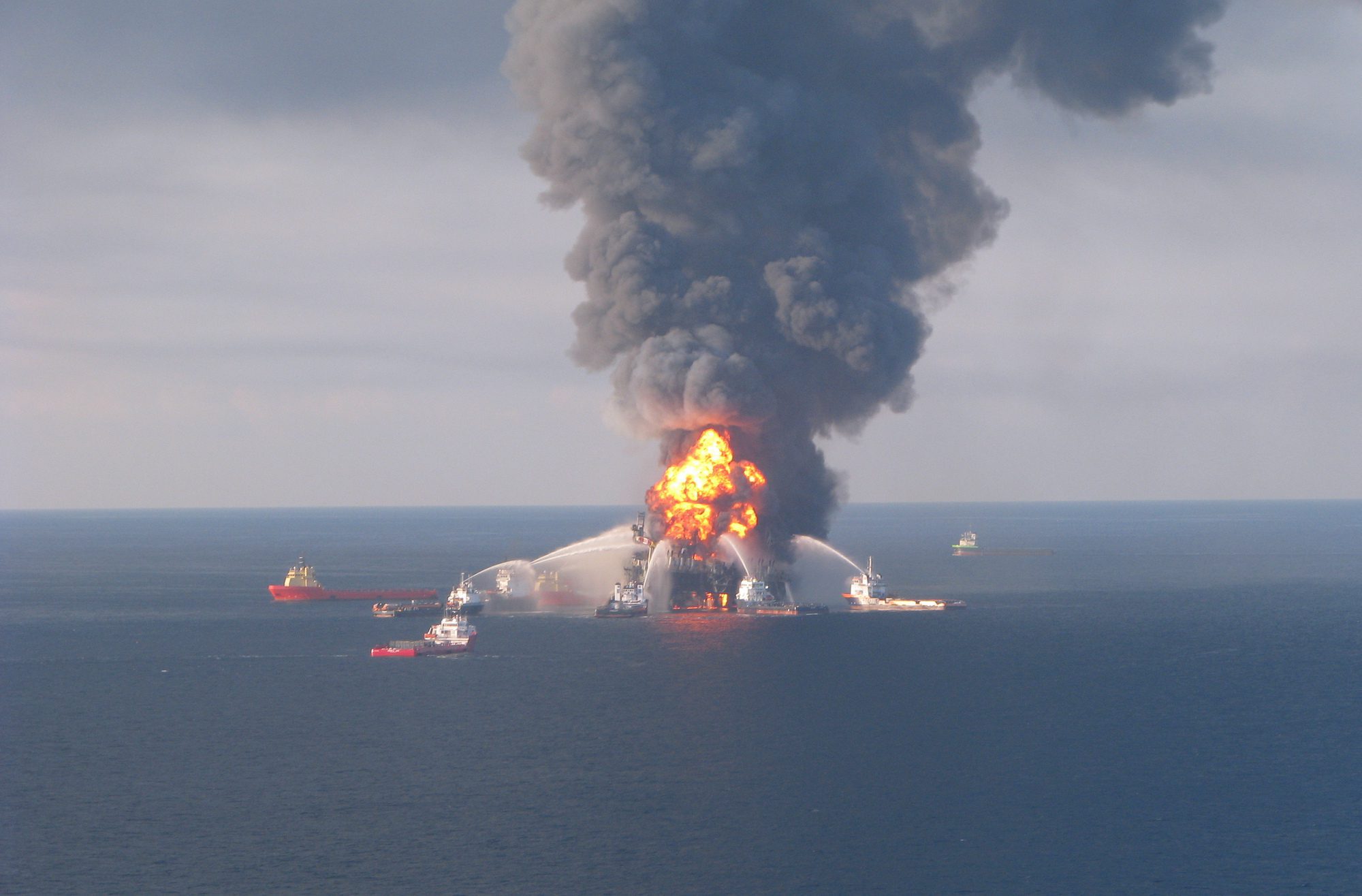
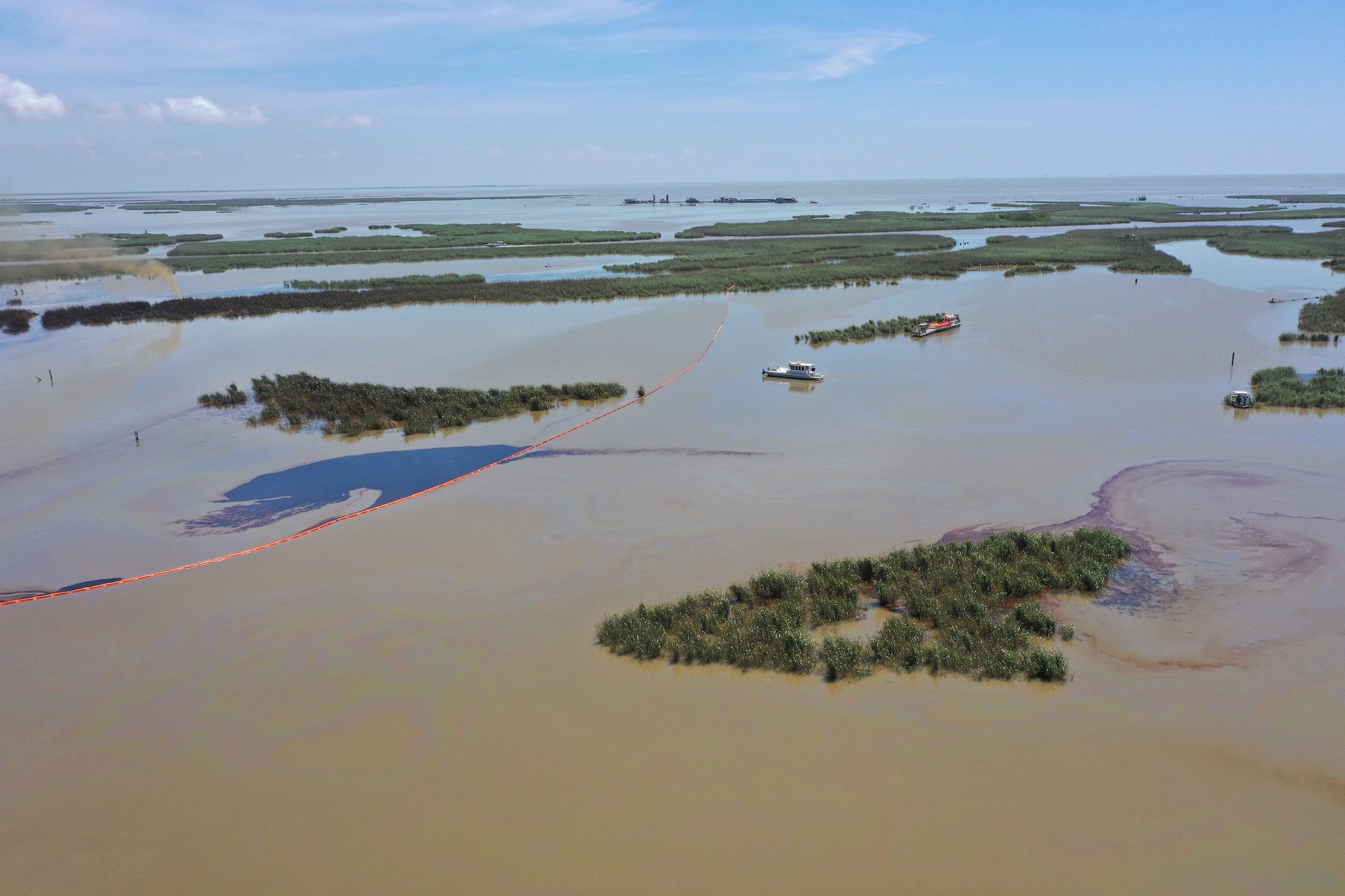
Although the safety alert does not mention the drillship by name, it states that a Mobile Offshore Drilling Unit (MODU), with 115 personnel onboard, lost 11 marine riser joints and a lower marine riser package in its failed attempt to evacuate to evade the hurricane. 88 barrels of “miscellaneous fluids” were also released into the Gulf of Mexico.
The BSEE Gulf of Mexico Region and the USCG 8th District Outer Continental Shelf Officer in Charge initiated separate investigations into the event.
The BSEE investigation concluded that the operator and contractor representatives failed to promptly start the Temporary Abandonment (TA) procedures. Also, the T-Time calculations, which is the time needed to secure well safely, pull riser, prepare the ship for transit, and evacuate/evade ahead of a weather event, were in the red level when the operator and contractor made a “joint decision” to suspend well operations.
According to safety alert, the TA was delayed for “several hours” as the operator and contractor decided to conduct a crew change amid reduced staffing and time constraints. Over-torqued bolts and equipment breakdowns prevented the drill crew from retrieving the marine riser and LMRP, causing further delays, the joint safety alert states.
“In his duty as Ultimate Work Authority, the MODU’s Captain stopped work so the crew could make storm preparations, such as placing covers on riser hatches. The captain and marine crew maneuvered the MODU with 12 riser joints and LMRP still hanging under the moonpool at speeds between 1 and 3.5 knots. Still, they could not evade Category 2+ hurricane-force wind and high/rough seas. The riser subsequently broke just below the rotary sending 11 riser joints and LMRP to the seafloor.”
The BSEE and USCG hope the safety alert helps to highlight the importance of risk-based operational planning and preparation when addressing extreme weather events.
Hurricane Ida roared ashore on Sunday, August 29, 2021, near Port Fourchon, Louisiana as an extremely dangerouse Category 4 hurricane with sustained winds of 150 mph.
Drilling contractor Noble Corporation (NYSE: NE) addressed the incident involving its drillship in a statement issued the day of Ida’s landfall, confirming that the drillship “encountered hurricane-force conditions” while in the Gulf of Mexico. A second statement, issued a few days later on September 2, included additional details and admitted that “a small number of crew members were treated for minor injuries.” The statement also confirmed that several riser joints and the lower marine riser package were lost during the accident, in addition to other damages including to one of the ship’s cofferdams in the moonpool area
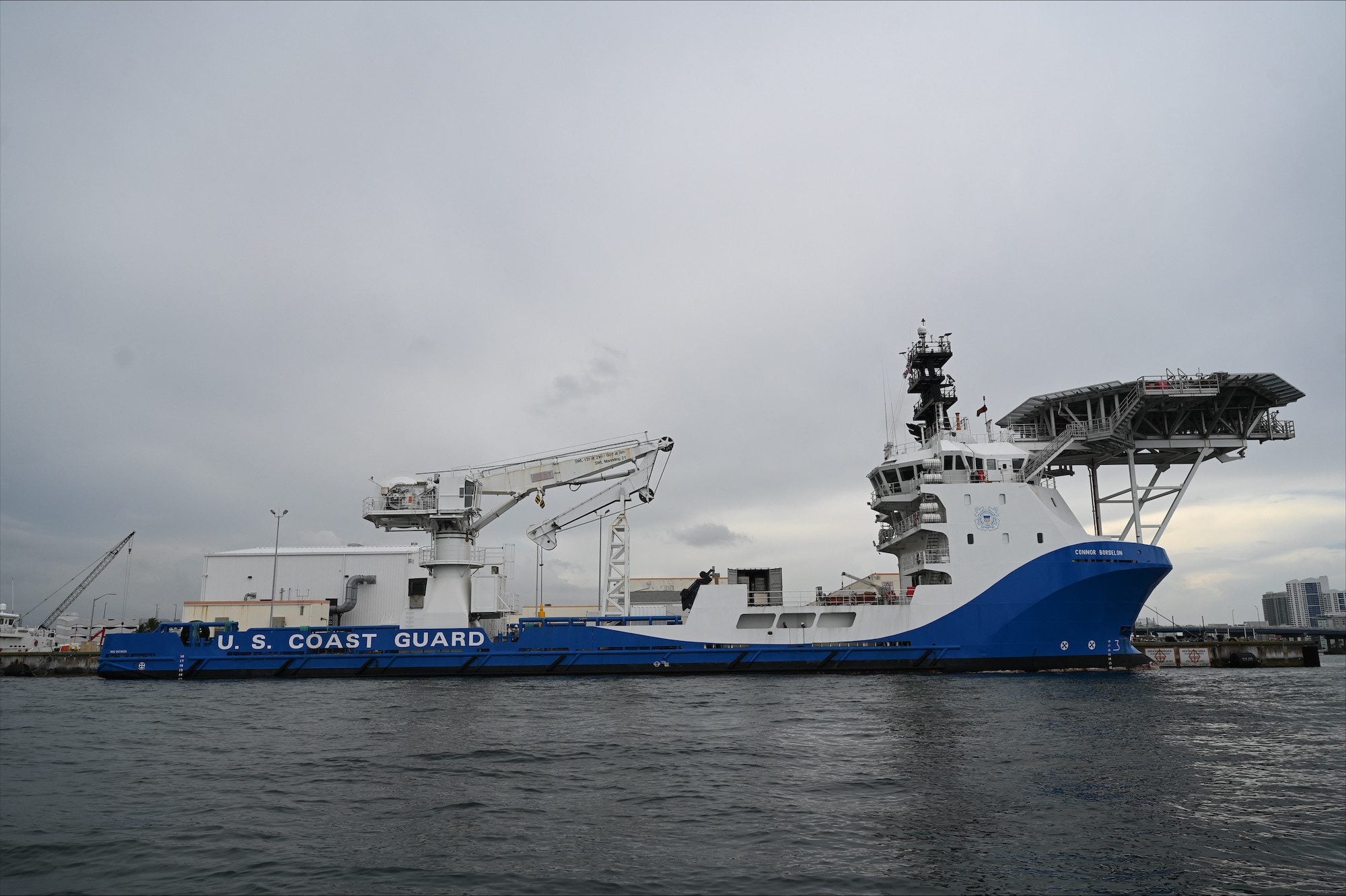
The U.S. Coast Guard first publicly addressed the incident in a media release issued September 1, 2021, three days after Ida’s landfall, indicating that it launched a helicopter aircrew and diverted the USCGC Venturous to the drillship “out of an abundance of caution,” while members of the Coast Guard’s Eighth District Outer Continental Shelf division were in contact with both the master of the Noble Globetrotter II and Noble Corporation.
“Throughout all of the communications between the U.S. licensed master of the vessel and the Coast Guard, the master has maintained that the vessel was not in distress and not actively taking on water,” the Coast Guard said at the time.
Prior to the start of last year’s hurricane season, in March 2021 the BSEE issued Safety Alert 415 which included several recommendations to offshore operators and contractors related to inclement weather preparation following another weather-related drillship incident during Hurricane Zeta the year before. In that incident, the ultra-deepwater drillship Deepwater Asgard, belonging to Transocean, suffered major damage after failing to evacuate ahead of the approaching storm. The BSEE’s investigation identified “an inaccurate weather forecast, with a key contributing cause being the human error decision to stay latched to the well to attempt to ride out the hurricane” as the probable cause.
The joint safety alert issued today included a number of recommendations that the agencies strongly urge operators and contractors to consider. They include:
- Evaluating all considerations and associated risks and not set well operational T- Times under “optimal” conditions. These should be documented and discussed with the operations team.
- Determining the “decision time” to safely secure should start with the potential of an extreme weather event. The decision to continue well operations should not depend on a forecast track to the asset location. Don’t wait on a definitive weather forecast to react.
- Documenting contingencies for when MODUs cannot evade/evacuate extreme weather conditions. Ensure contingencies are documented in Hurricane Plans or Extreme Weather Plans. Identify search and rescue assets available to conduct a mass evacuation of personnel.
- Reviewing all approved Bridging Documents and Extreme Weather Plans before hurricane season to verify which plan takes precedence and reflects actual company operations and practices. Also, discuss documents with involved personnel, and identify and correct any training gaps.
- Reporting any challenges during attempts to evade and not follow an Extreme Weather Plan to evacuate non-essential personnel to the United States Coast Guard 8th District Command Center at [email protected] and [email protected]. Or call 1-855-485-3727 (1-855-GULFSAR) per Marine Safety Information Bulletin (MSIB) 21-02. The MSIB is updated annually at the beginning of hurricane season. Industry should review the updated MSIB each year for current guidance.
- Identifying non-essential personnel and communicating that the intent is not to evacuate during extreme weather conditions.
- Suspending all well operations and crew changes safely when Hurricane or Extreme Weather Plans have been initiated.
- Contacting BSEE as instructed in NTL 2021-G01 Incident, Oil Spill, and Permit Request Notification Instructions. (BSEE does not consider calls to personnel outside of the directions of this guidance document as notification.)
- Meeting with peer operators and contractors and developing best practices for MODUs to safely suspend well operations with extreme weather conditions, including consistent procedures to evacuate/evade. Share procedures with all personnel to promote conversations around this matter.
- Documenting all Stop Work Authority actions on Well Activity Reports Significant Events submitted in eWell per 30 Code of Federal Regulations (CFR) 250.743.
- Reviewing BSEE Safety Alert #415, “Inadequate Preparations in Advance of Inclement Weather Results in Excessive Rig Damage and Risk to Personnel.”
- Reviewing MSIB 21-02, “Hurricane Season and Reporting Requirements,” and USCG Safety Alert 07-21, titled “Unexpected Heavy Weather Dangers: Weather Will Change, Whether You Are Ready Or Not!”
The BSEE and USCG Joint Safety Alert, Safety Alert 05-22, can be downloaded here.

 Join The Club