The United States and Iran have agreed to a temporary ceasefire and partial reopening of the Strait of Hormuz, marking the first concrete diplomatic breakthrough since the waterway’s disruption triggered a global shipping crisis.
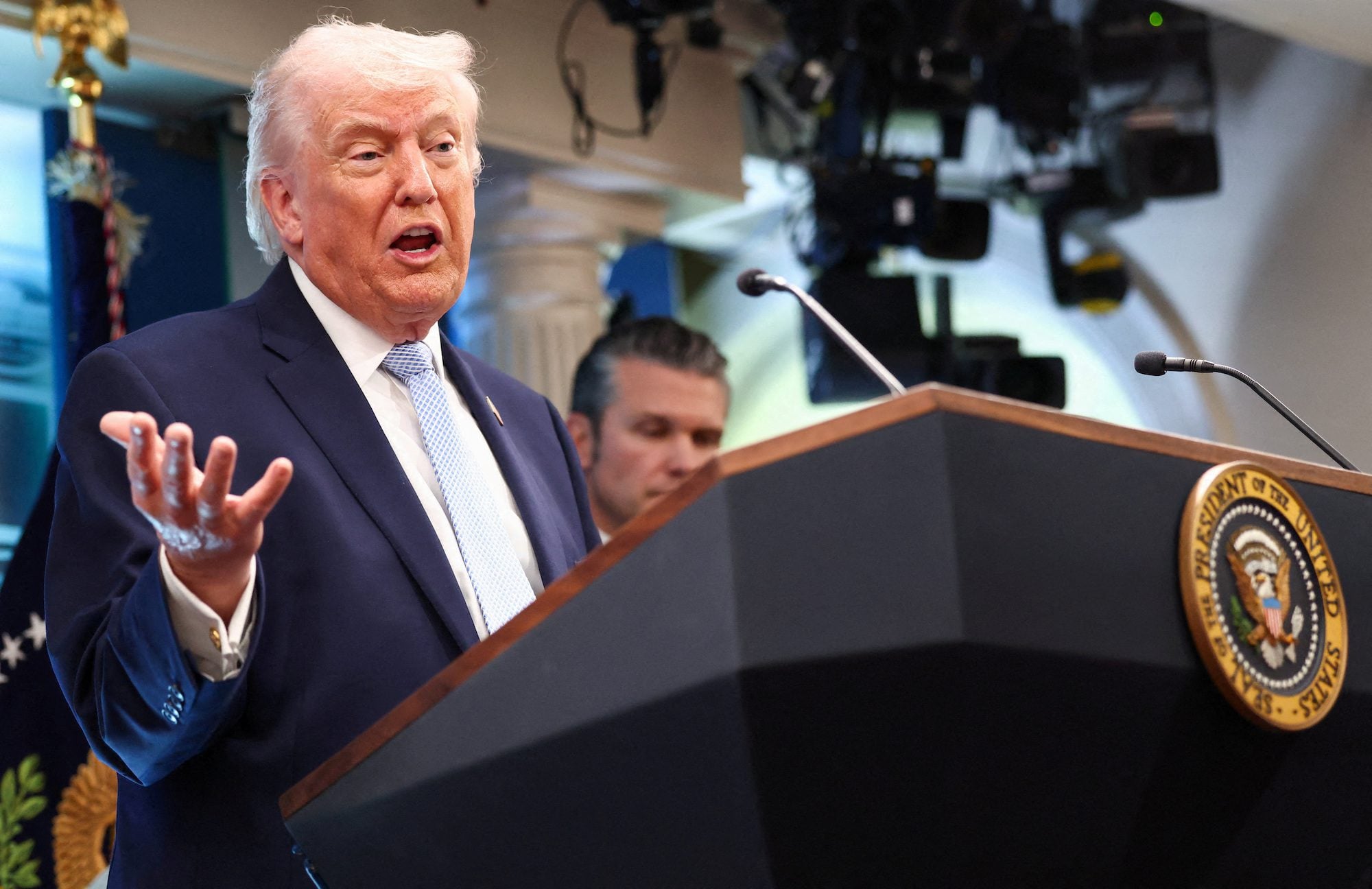
In statements released Tuesday, U.S. President Donald Trump said Washington would suspend bombing operations against Iran for two weeks, contingent on Tehran immediately reopening the Strait. Iran, in turn, confirmed it would allow vessel transits during the same period—though with a key caveat: passage would occur in coordination with Iranian armed forces.
The announcement came just hours before President Trump’s deadline to reopen the Strait or face the destruction of “a whole civilization.”
The agreement, brokered with the help of Pakistan, appears to be the first step in a broader negotiation framework built around what officials describe as Iran’s “10-point proposal.”
The U.S. described the agreement as enabling the “complete, immediate, and safe opening” of the Strait of Hormuz, a route that typically carries roughly a fifth of global oil flows.
Iran’s version tells a different story. In a statement attributed to Foreign Minister Abbas Araghchi and shared by The White House’s official social media account, Tehran said safe passage would be permitted “via coordination with Iran’s Armed Forces,” signaling that transit may be subject to oversight, routing restrictions, or other controls.
Shipping industry stakeholders have already warned that anything short of fully unrestricted passage could prolong elevated war-risk premiums, disrupt routing decisions, and limit the return of normal traffic flows.
At the center of the negotiations is a sweeping Iranian proposal that outlines terms for a broader settlement. While the full document has not been officially released, reporting and official statements indicate the framework includes:
- A permanent ceasefire and U.S. commitment to halt future military strikes
- Full reopening of Hormuz—potentially under a new transit regime involving Iranian oversight
- Comprehensive sanctions relief and the unfreezing of Iranian assets
- Withdrawal of U.S. forces from the region
- Recognition of Iran’s regional role
- Continued nuclear activity under a revised framework
Industry sources have also raised concerns that Iran could seek to monetize access to the Strait under the proposed framework, with reports of potential transit fees as high as $2 million per voyage. While not officially confirmed, such a move would mark a significant departure from long-standing international norms governing free passage through strategic waterways and could further complicate efforts to restore normal shipping flows.
U.S. officials have described the proposal as a “workable basis” for negotiations, though there is no indication Washington has accepted the broader terms beyond the temporary ceasefire.
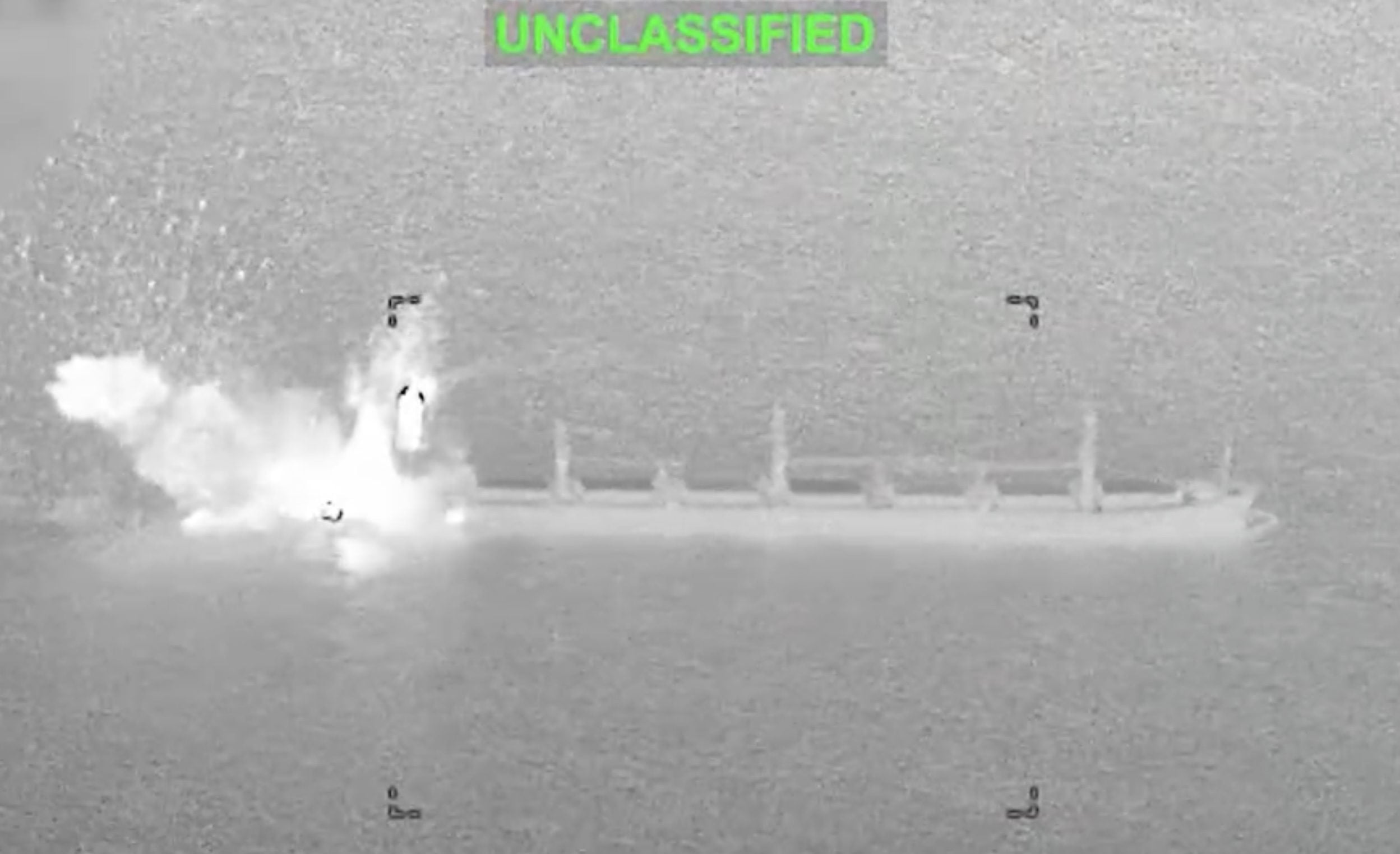
The announcement comes after weeks of escalating conflict that saw missile and drone strikes, attacks on commercial vessels, and a near-collapse in traffic through the Strait.
Global shipping markets have been effectively paralyzed, with vessel movements dropping to a fraction of normal levels and war-risk insurance costs surging.
Even with the ceasefire in place, uncertainty remains high. Iran’s insistence on coordinated passage raises questions about whether the Strait will operate as a free international waterway or transition into a more controlled corridor—an outcome that could fundamentally alter global shipping patterns.
If the two-week ceasefire holds and vessel transits resume without incident, it could pave the way for a broader diplomatic settlement. If not, the crisis could quickly snap back—potentially with even greater force.
For the maritime industry, the message is clear: the Strait of Hormuz may be reopening—but it is still far from returning back to normal.

 Join The Club