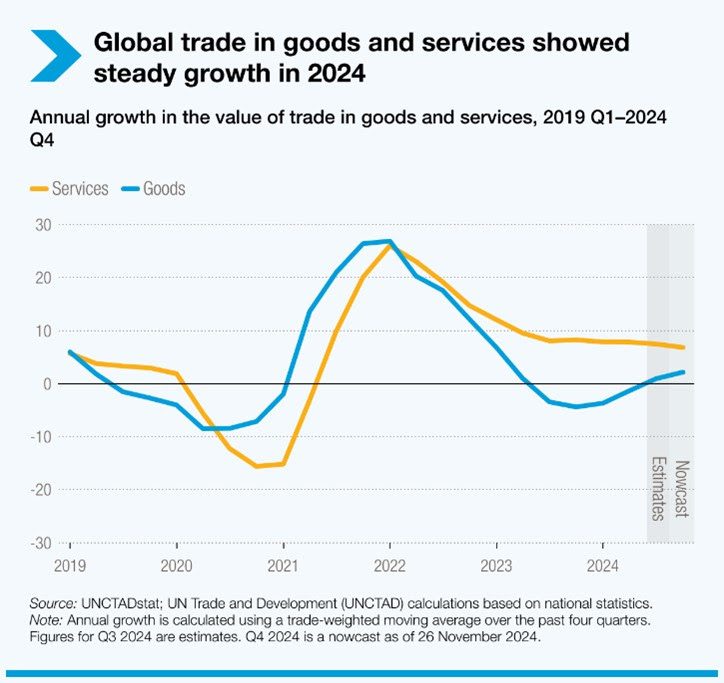
Global trade in both goods and services is poised to achieve an unprecedented $33 trillion in 2024, marking a substantial $1 trillion increase and 3.3% annual growth despite persistent challenges, according to UNCTAD’s latest Global Trade Update.
The services sector emerged as the primary growth driver, recording a robust 7% annual increase and contributing to half of the overall trade expansion. Meanwhile, goods trade showed modest growth at 2%, though still not reaching its 2022 peak levels.
A notable shift in global trade dynamics has emerged, with developed economies taking the lead in the third quarter. These nations recorded a 3% increase in imports and a 2% rise in exports, driven by stable demand. In contrast, developing economies, traditionally powerful forces in global trade, experienced setbacks with a 1% contraction in imports and similar decline in South-South trade.
The technology and apparel sectors showed particular promise, with ICT and apparel trade experiencing remarkable growth of 13% and 14% respectively in Q3 2024. However, traditional sectors faced significant headwinds, with energy trade declining 2% quarterly and 7% annually, while metals trade contracted by 3% across both quarterly and annual measurements.
“Trade remains a cornerstone of sustainable development,” said UNCTAD Secretary-General Rebeca Grynspan. “To seize the opportunities in 2025, developing economies need coordinated support to navigate uncertainty, reduce dependencies, and strengthen their links to global markets.”
Looking ahead, stable global growth forecasts and easing inflation present opportunities for economic resilience building in 2025. UNCTAD advocates for developing economies to implement targeted policies focusing on trade diversification and investment in high-value sectors to effectively manage risks and enhance their global market position.
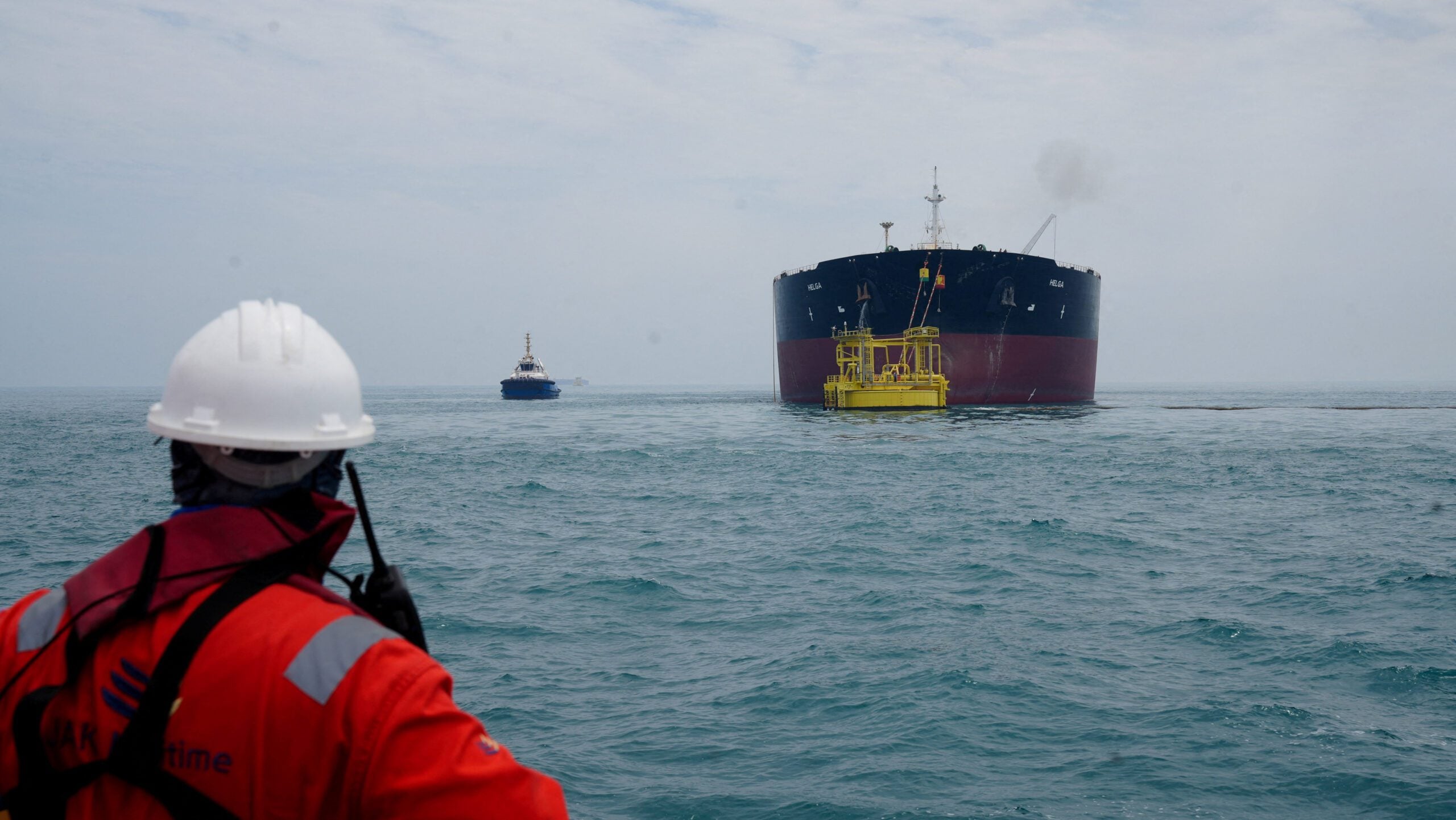
When the oil supertanker Esteem Explorer sails from the United States to Japan in late November, loaded with about 2 million barrels of crude, the journey will cost $81 million. The same journey would have cost $9.1 million last year, on average.
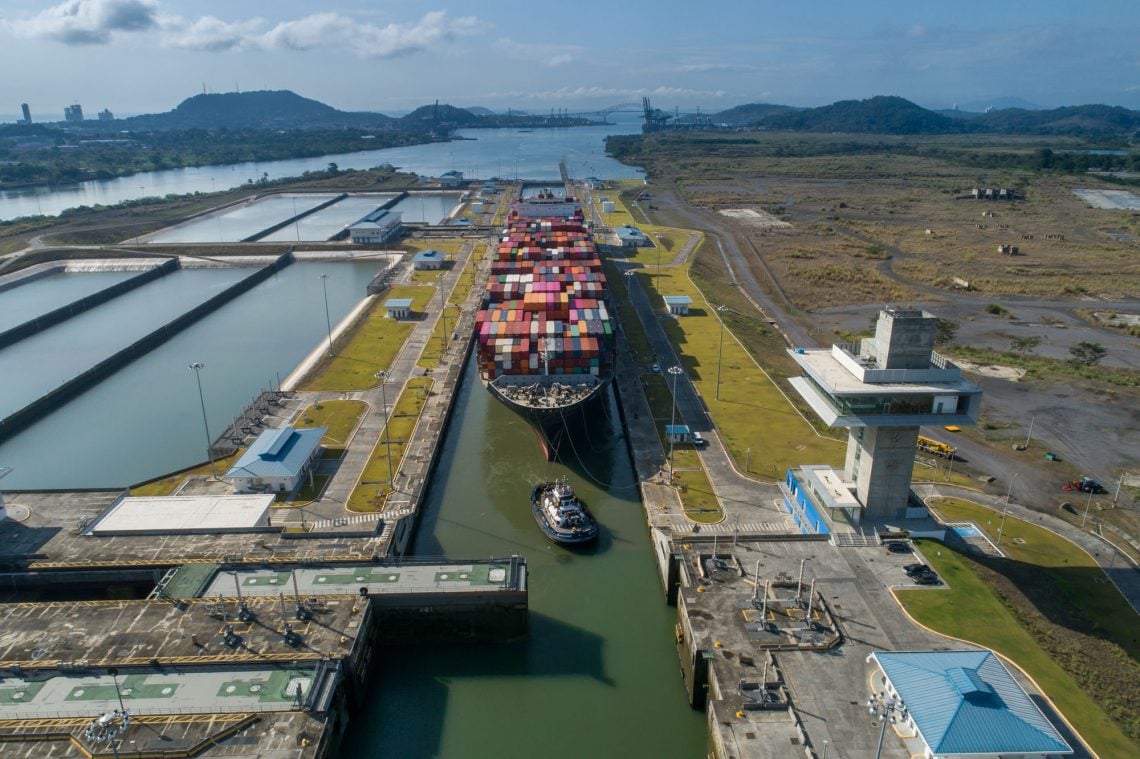
Global trade faces a fresh headache on top of the months-long snarls in the Middle East that have roiled flows, with the Panama Canal moving to curtail some vessel-booking slots because of water-supply challenges.
The reopening of the Strait of Hormuz may ease immediate pressure on global shipping and energy markets, but the economic fallout from more than 100 days of disruption will continue...
June 30, 2026
Total Views: 451
Get The Industry’s Go-To News
Subscribe to gCaptain Daily and stay informed with the latest global maritime and offshore news
— just like 106,328 professionals
Secure Your Spot
on the gCaptain Crew
Stay informed with the latest maritime and offshore news, delivered daily straight to your inbox
— trusted by our 106,328 members
Your Gateway to the Maritime World!
Essential news coupled with the finest maritime content sourced from across the globe.

 Join The Club