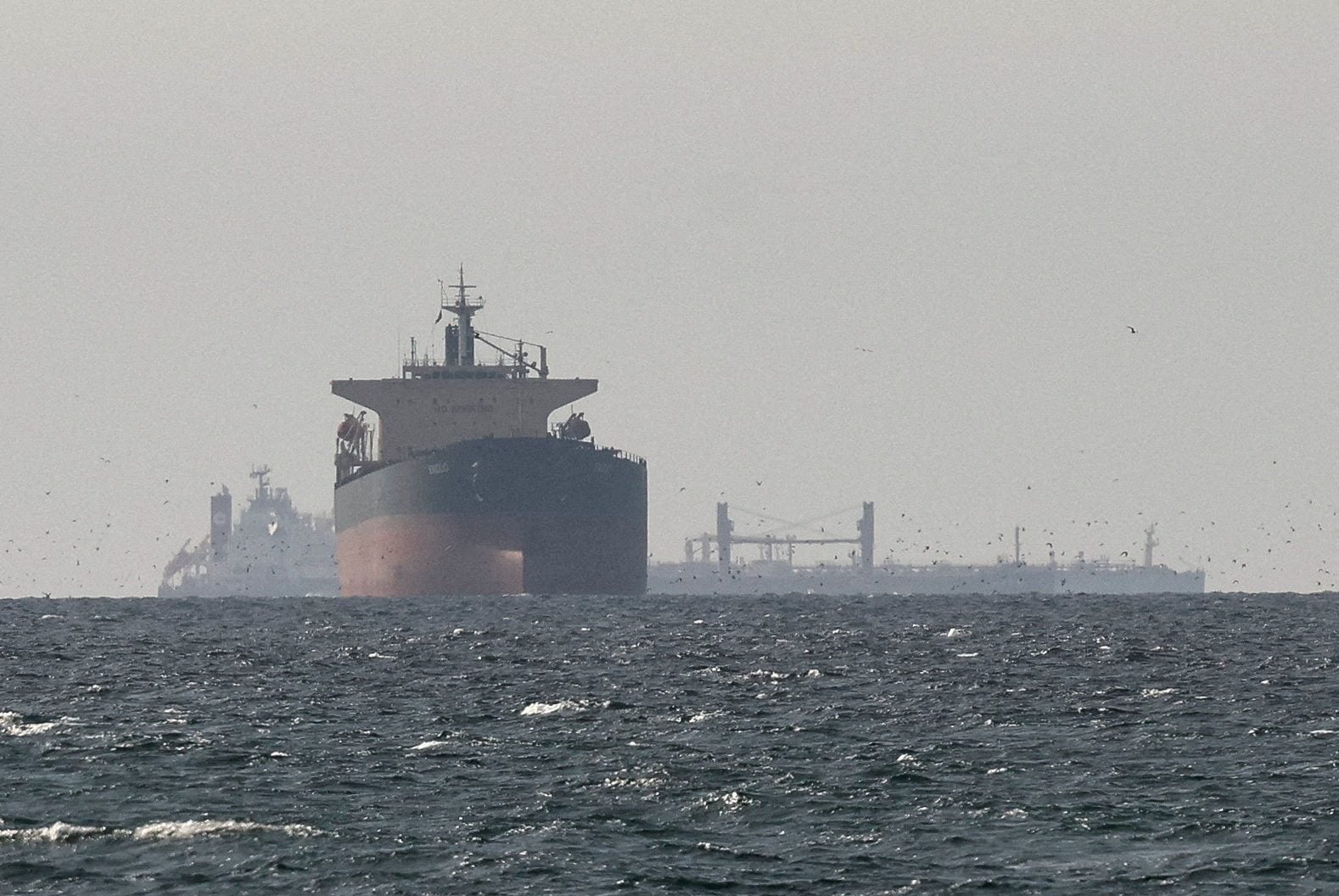
The UN International Maritime Organization is moving to establish a safe-passage framework for commercial shipping in the Strait of Hormuz, as thousands of vessels—and tens of thousands of seafarers—remain effectively stranded amid escalating attacks in the region.
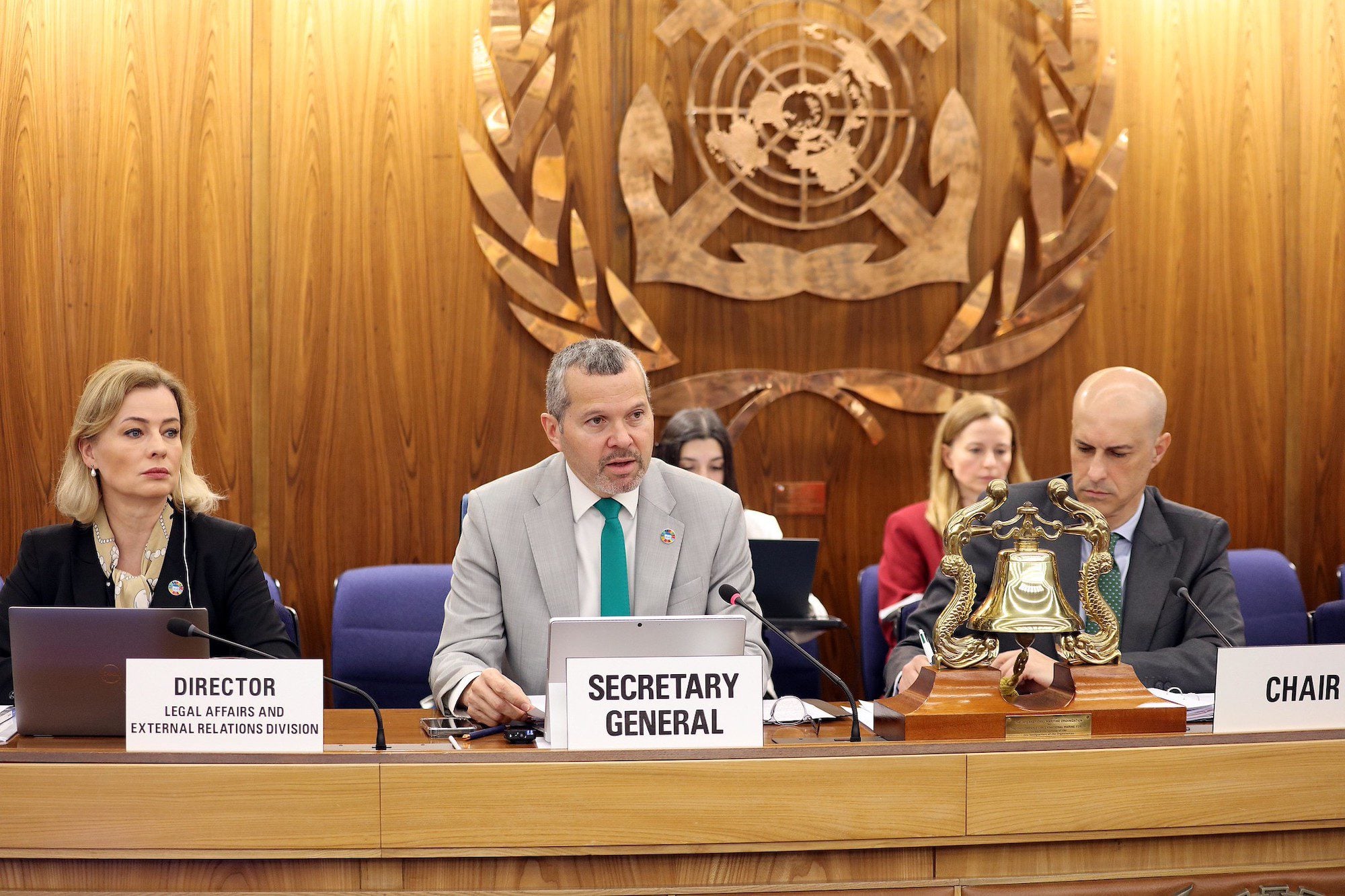
The proposal, described as a “provisional and urgent measure,” emerged from an extraordinary session of the IMO Council held March 18–19 in London. Member states backed the creation of a “safe maritime corridor” aimed at helping merchant ships exit high-risk areas.
The idea, spearheaded by Bahrain, is straightforward: give vessels currently stuck inside the Gulf a coordinated way out—voluntary, non-military, and focused on reducing the risk of further attacks. The priority is protecting seafarers while restoring at least some level of commercial movement through one of the world’s most critical energy chokepoints.
IMO Secretary-General Arsenio Dominguez has been tasked with working with governments and industry stakeholders to get the framework moving, reflecting the urgency of the situation.
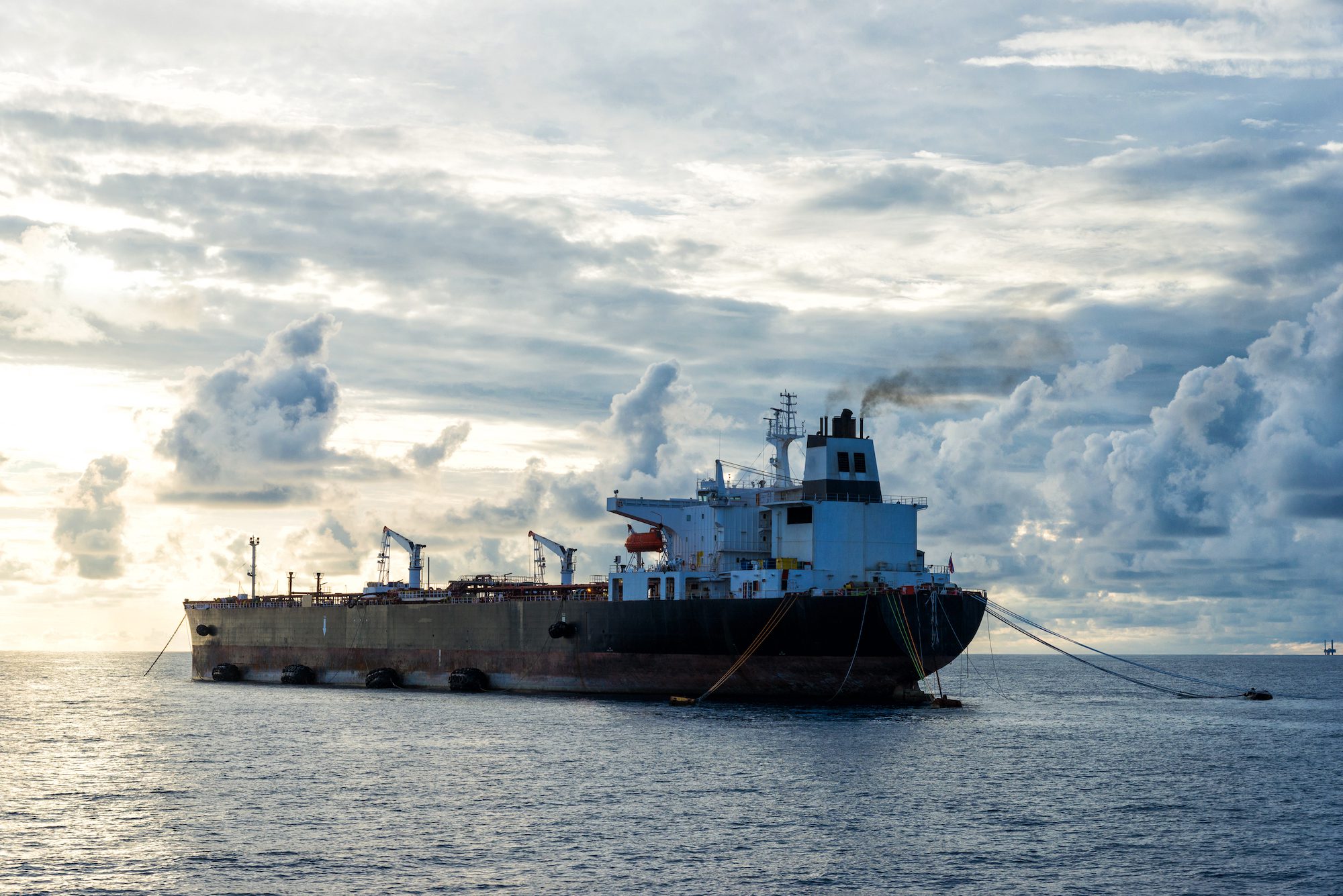
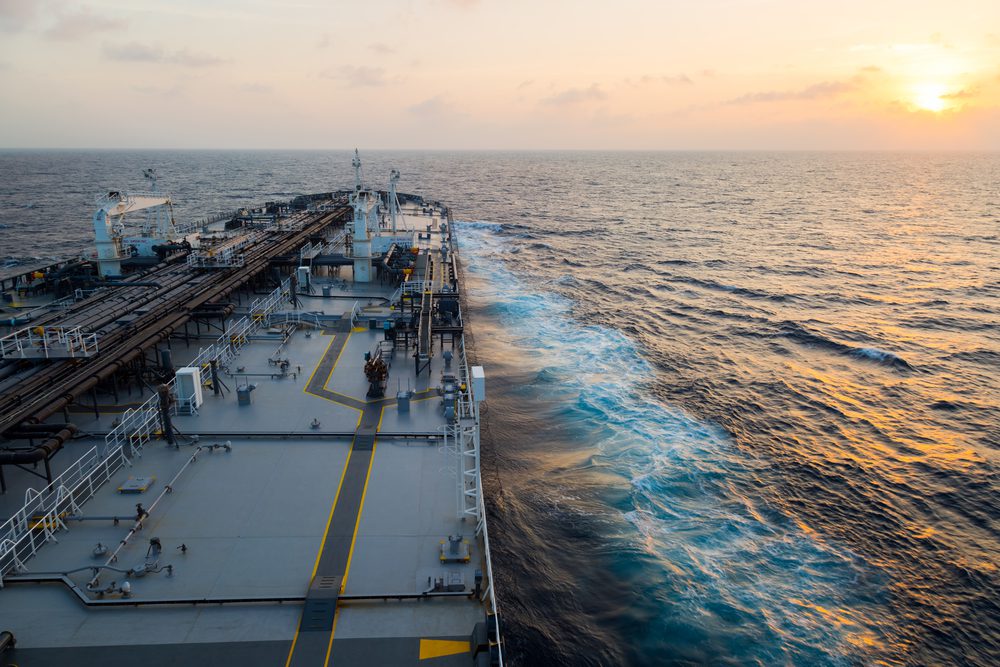
By the IMO’s estimates, roughly 20,000 seafarers across about 3,200 vessels remain stuck in the Gulf, dealing with growing security risks, operational bottlenecks, and mounting fatigue as the conflict drags on.
The push for a coordinated corridor comes as political pressure ramps up. In a joint statement released March 19, leaders from the United Kingdom, France, Germany, Italy, the Netherlands, and Japan condemned “in the strongest terms” attacks on commercial vessels and energy infrastructure, blaming Iran for what they described as a “de facto closure” of the Strait of Hormuz.
The group called on Iran to halt mine-laying, drone and missile attacks, and any actions blocking commercial shipping, while reaffirming that freedom of navigation is a fundamental principle of international law.
Notably, while the countries said they are “ready to contribute to appropriate efforts to ensure safe passage,” the statement stopped short of endorsing naval escorts or any specific security mechanism—leaving open how exactly safe transit would be achieved.
They also pointed to broader stabilization efforts, including the International Energy Agency decision to release strategic petroleum reserves and plans to boost output in coordination with producing nations.
That ambiguity comes as a more traditional military option appears increasingly difficult to assemble. Several key U.S. allies—including Germany, Spain, and Italy—have declined to send naval forces to escort commercial shipping through the Strait, despite calls from President Donald Trump. German officials cited a lack of mandate from the United Nations, European Union, or NATO, while also noting they were not consulted ahead of the escalation.
The reluctance highlights a key constraint: a large-scale naval escort operation—often viewed as the most direct way to reopen Hormuz—is not gaining broad international support.
That reality reinforces the IMO’s approach. Rather than relying on warship escorts or ad hoc transits, the proposed corridor would create a structured, internationally coordinated exit pathway for ships trapped inside the conflict zone—without requiring direct military involvement.
Traffic through the Strait has already dropped off sharply. War-risk insurance constraints, combined with continued attacks involving missiles, drones, mines, and projectiles, have made transits increasingly difficult to justify.
The IMO has been clear that the goal is to de-risk commercial shipping without further militarizing the waterway, leaning instead on coordination and deconfliction between stakeholders.
That said, the politics remain complex. Some member states raised concerns during the Council session, underscoring just how difficult it will be to implement any kind of corridor in an active conflict zone.
The concept inevitably draws comparisons to the Black Sea Grain Initiative, which created a protected shipping route out of Ukraine during the war. The initiative was largely considered successful in its primary aim of alleviating a global food crisis, but that deal relied heavily on guarantees from the United Nations and Turkey. In this case, the IMO appears to be taking a more forward-leaning role in shaping—and potentially coordinating—the framework itself.
Whether that’s enough to make it work in a live combat environment remains the key question.
Still, the message from both the IMO and major global economies is increasingly aligned: restoring safe passage through Hormuz is now a top priority—but there is still no clear agreement on how to secure it.
For now, attention turns to execution—whether this framework can move from concept to reality, and actually provide ships and crews a safe way out.
Editorial Standards · Corrections · About gCaptain

 Join The Club