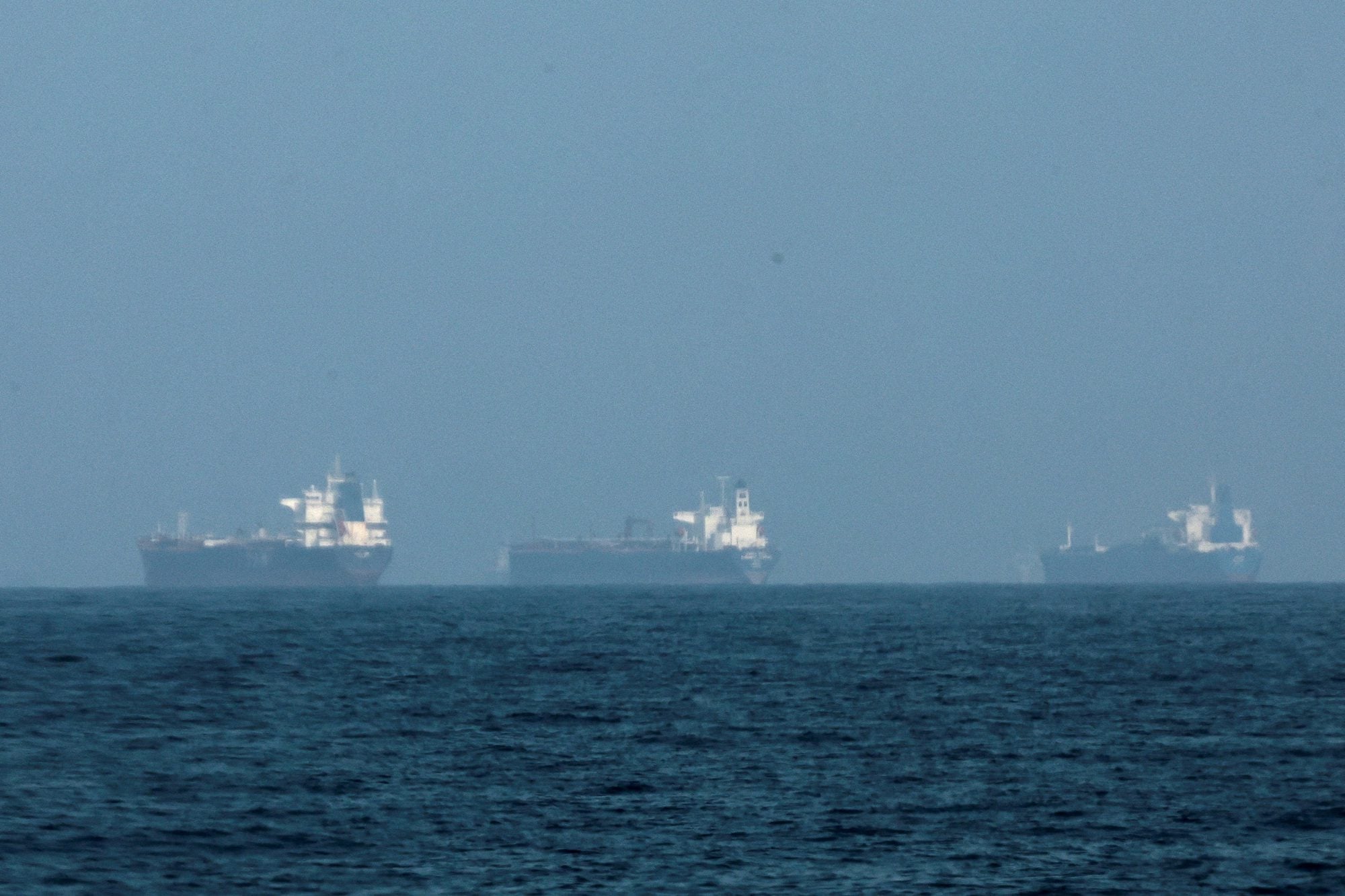
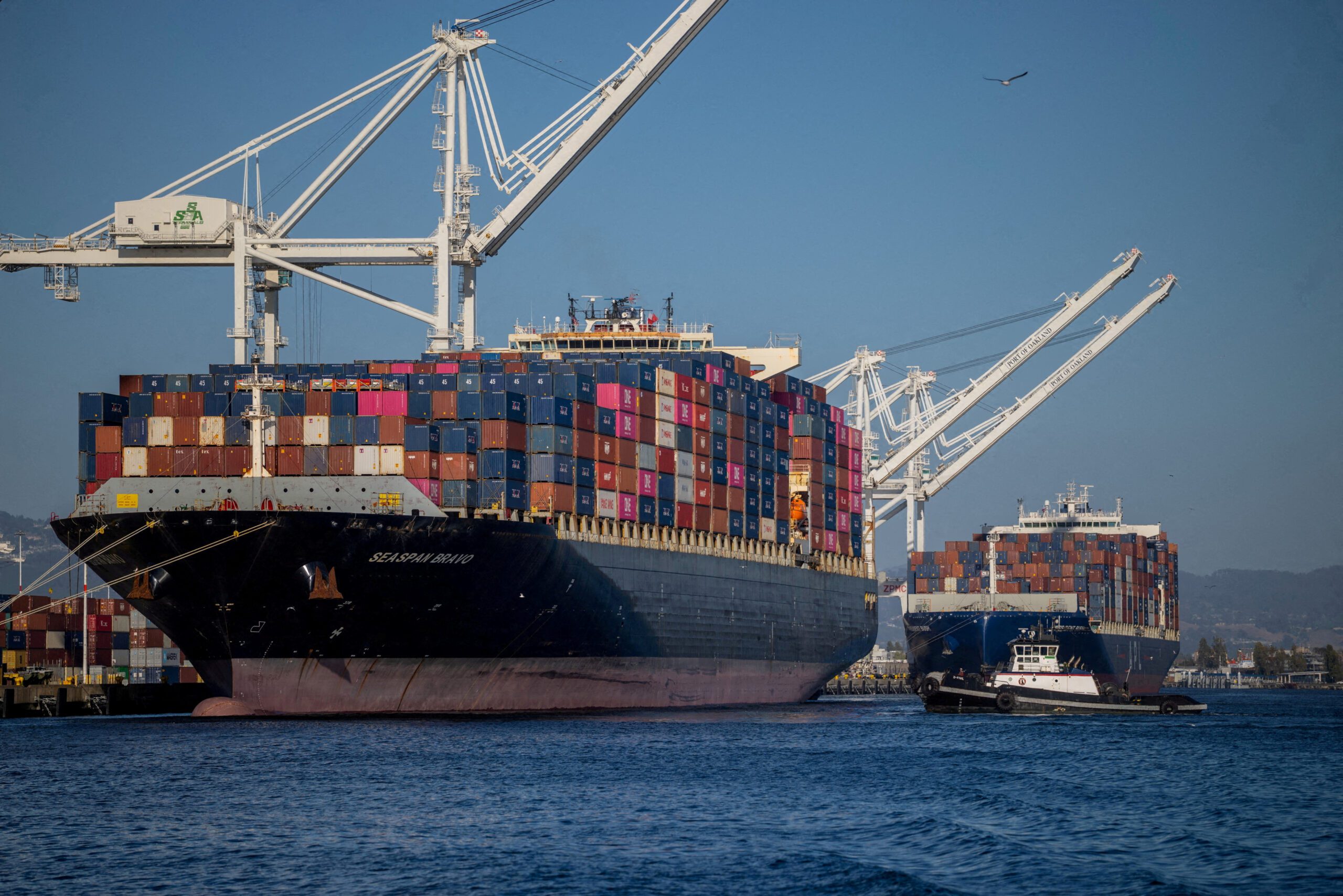
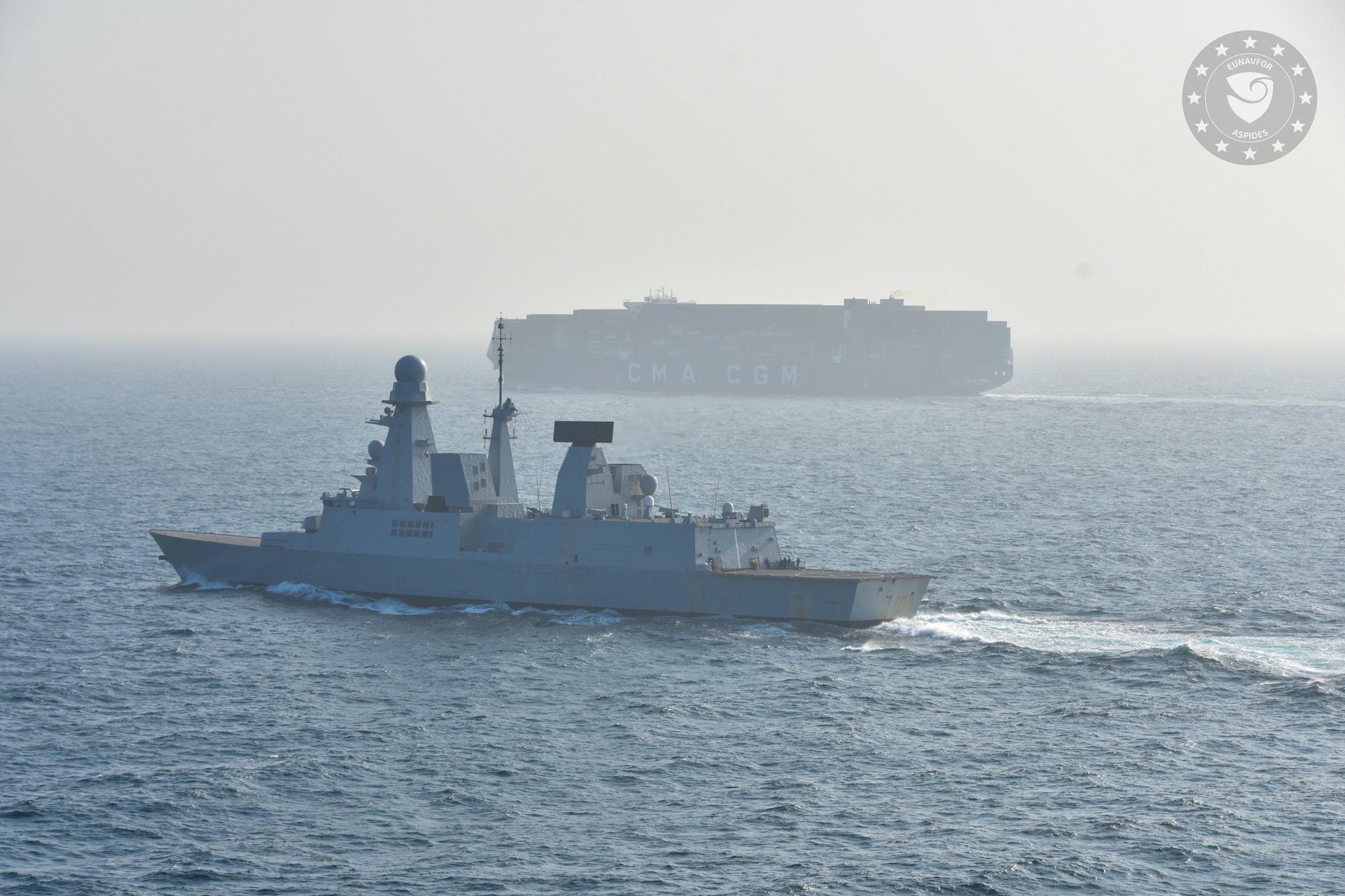
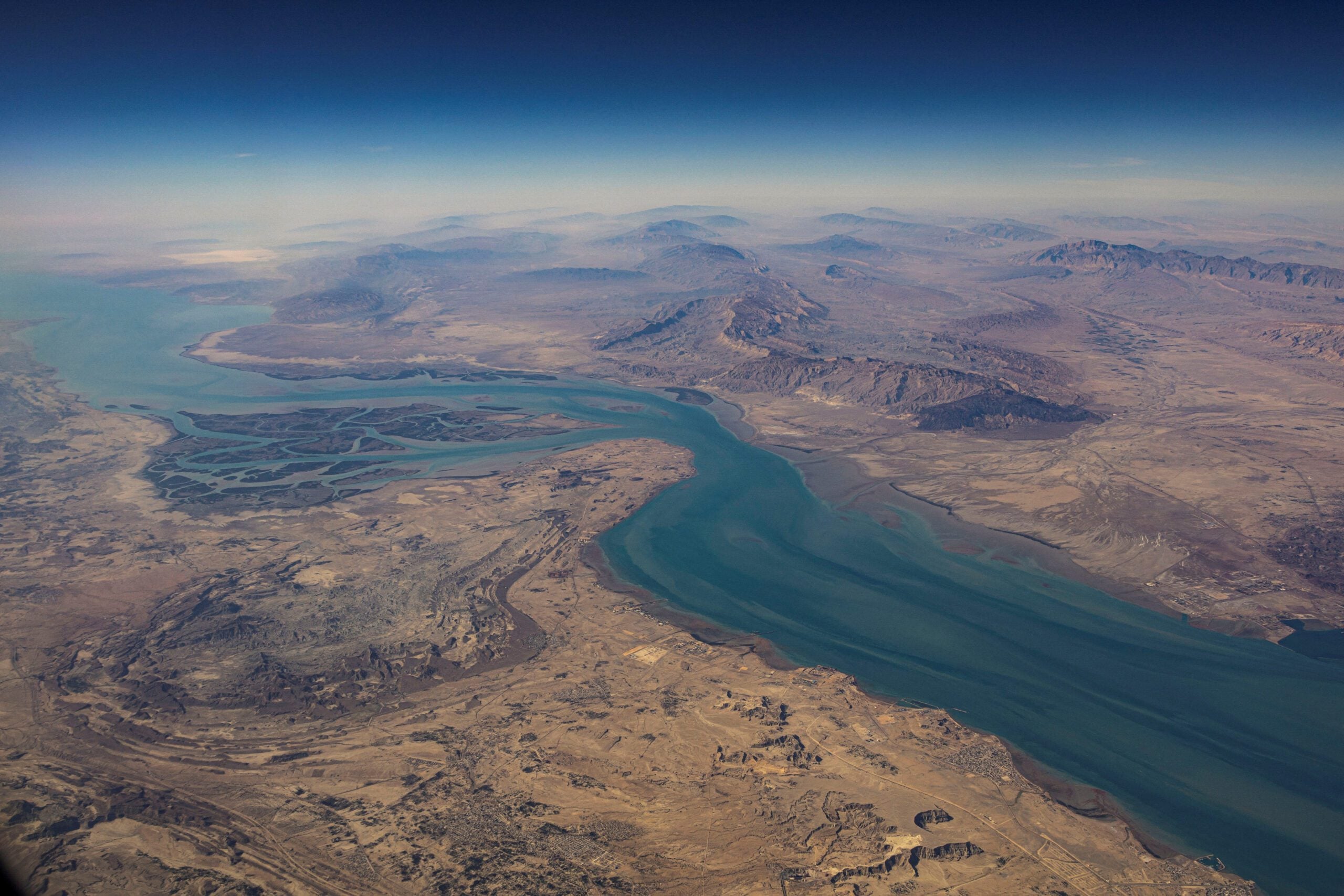
The International Maritime Organization (IMO) says roughly 3,200 vessels carrying around 20,000 seafarers are currently confined west of the Strait of Hormuz, highlighting the scale of disruption to global shipping as attacks on merchant vessels escalate across the Persian Gulf region.
The figures were disclosed in a briefing document released ahead of an Extraordinary Session of the IMO Council scheduled for March 18–19 in London, where member states will discuss the rapidly deteriorating security situation affecting shipping in the Arabian Sea, Sea of Oman, and Gulf region.
According to the IMO Secretariat, international shipping was immediately impacted at the start of the crisis, with four confirmed attacks on merchant vessels reported on March 1, 2026, resulting in the deaths of at least two seafarers and one port worker. Attacks have continued in the weeks since, with additional fatalities and serious injuries reported among merchant crews.
The ongoing violence has created conditions where many vessels are unable to safely transit the Strait of Hormuz, one of the world’s most critical maritime chokepoints for energy and commodity trade.
The IMO said the resulting disruption has left thousands of ships waiting west of the strait, with tens of thousands of seafarers effectively stranded aboard vessels as companies and governments assess the risks of attempting a transit through waters increasingly exposed to missile, drone, and explosive-boat attacks.
IMO Calls for De-Escalation and Seafarer Protections
IMO Secretary-General Arsenio Dominguez has issued multiple statements condemning the attacks on civilian shipping and urging all parties to respect international maritime law and freedom of navigation.
In statements issued on March 1 and March 6, Dominguez called for de-escalation and greater protection for merchant seafarers, who he said are increasingly caught in the middle of the conflict.
The IMO Secretariat has also begun coordinating closely with member states, shipowners, seafarer organizations, and international agencies to track incidents and support crews affected by the crisis.
During meetings with governments and industry representatives in early March, the Secretary-General stressed the urgent need to address mental health support, communications capabilities, and provisioning of critical supplies for seafarers stranded aboard vessels in the region.
The IMO is also working with the International Labour Organization (ILO) to strengthen coordination on seafarer protections during the crisis.
Security Guidance Issued to Shipping
In its briefing to member states, the IMO urged governments and ship operators to ensure that international maritime safety and security requirements under SOLAS and the International Ship and Port Facility Security (ISPS) Code remain fully implemented.
Authorities also encouraged shipping companies to follow Best Management Practices for Maritime Security (BMP), a set of industry guidelines designed to help vessels mitigate risks in high-threat regions.
The 36th Extraordinary Session of the IMO Council will convene at IMO headquarters in London on March 18–19 to examine the situation and coordinate the organization’s response.
The IMO Council—comprising 40 member states elected by the IMO Assembly—serves as the organization’s executive body and can take urgent action on matters affecting global maritime safety and security.
The meeting comes as the Strait of Hormuz crisis continues to ripple through global shipping markets, with tanker traffic through the waterway collapsing and hundreds of vessels waiting outside the region while governments consider possible naval escort operations to restore safe passage.
Editorial Standards · Corrections · About gCaptain

 Join The Club