The UK and the Netherlands have agreed to jointly develop a new class of amphibious transport ships in a £2.4 billion program that will see the vessels built in British shipyards using a Dutch design, deepening defense cooperation between the two NATO allies.
The agreement, signed Tuesday by UK Prime Minister Keir Starmer and Dutch Prime Minister Rob Jetten during a NATO leaders’ meeting in Ankara, outlines plans for each country to operate four next-generation amphibious transport ships.
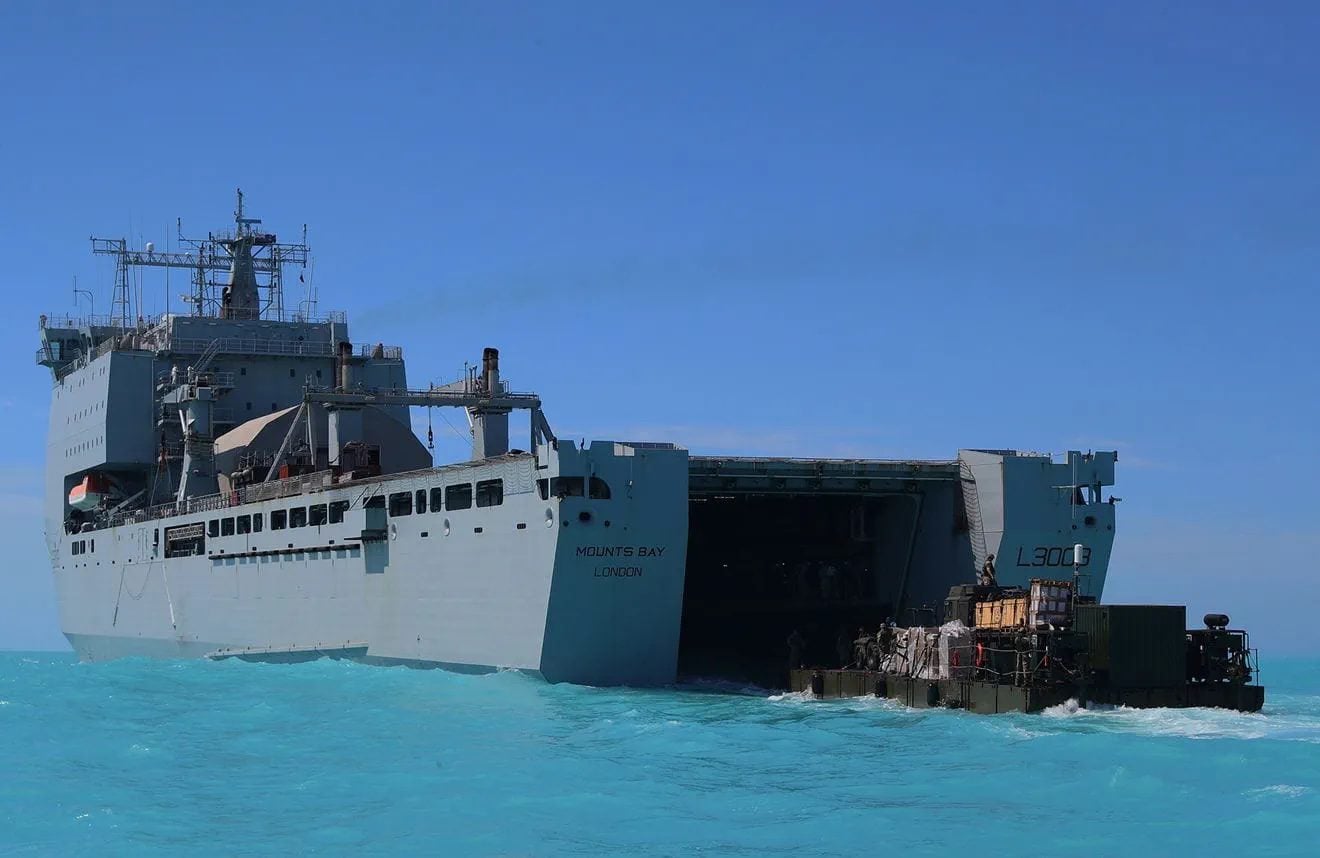
The 160-meter, 15,000-ton vessels will be designed to carry troops, vehicles and equipment while supporting current and future generations of drones and autonomous systems. The ships are intended to become the centerpiece of a more closely integrated UK-Netherlands amphibious force and support the Royal Navy’s shift toward a hybrid fleet that combines crewed warships with uncrewed technologies.
The UK government said construction in British shipyards is expected to support hundreds of high-skilled jobs.
“This partnership is not just about building ships, it is also about delivering long term security for both the UK and The Netherlands, ensuring we are able to stay ahead of the threats of tomorrow,” Starmer said.
“Combining the UK’s industrial expertise with The Netherlands’ design and sea-faring experience to deliver first-rate platforms for our elite amphibious forces, this partnership will strengthen NATO.”
UK Defence Secretary Dan Jarvis said the shared platform will improve interoperability between the two navies.
“Our forces will operate the same equipment and deploy on exercises together, so if they need to, we can fight and win together,” he said.
The agreement builds on more than five decades of cooperation through the UK-Netherlands Amphibious Force, Europe’s longest-running integrated military force. Operating the same ships is expected to allow the Royal Navy and Royal Netherlands Navy to train, deploy and respond to crises more seamlessly while advancing joint development of autonomous and uncrewed systems.
The agreement also adds to the Netherlands’ growing influence in allied amphibious ship programs. Dutch shipbuilder Damen’s smaller LST 100 design has already been selected as the baseline for the U.S. Navy’s Landing Ship Medium program and Australia’s Landing Craft Heavy program. Notably, however, the UK-Netherlands partnership centers on a much larger 160-meter, 15,000-ton amphibious transport ship based on a Dutch design.
Beyond amphibious operations, the UK and Netherlands said they will continue working together to protect critical undersea infrastructure and strengthen deterrence in the North Atlantic and High North, reflecting growing concern over threats to subsea cables and energy infrastructure.
The announcement also aligns with the UK’s broader naval modernization plans under its Defence Investment Plan, which calls for increased investment in autonomous surface and underwater systems alongside conventional warships. It follows a recent agreement with Norway to build five Type 26 frigates in UK shipyards, further supporting Britain’s naval shipbuilding sector.

 Join The Club