A London Admiralty Court judge has ruled that the owners of the containership Solong can limit their financial liability for the catastrophic 2025 collision with the tanker Stena Immaculate, delivering a closely watched decision that reinforces the “virtually unbreakable” nature of modern maritime liability protections.
In a judgment handed down May 22, Justice Andrew Baker struck out attempts by the Stena Immaculate interests to break limitation under Article 4 of the 1976 Convention on Limitation of Liability for Maritime Claims (LLMC), despite the collision killing one seafarer, igniting a massive fire, and causing extensive damage to both vessels.
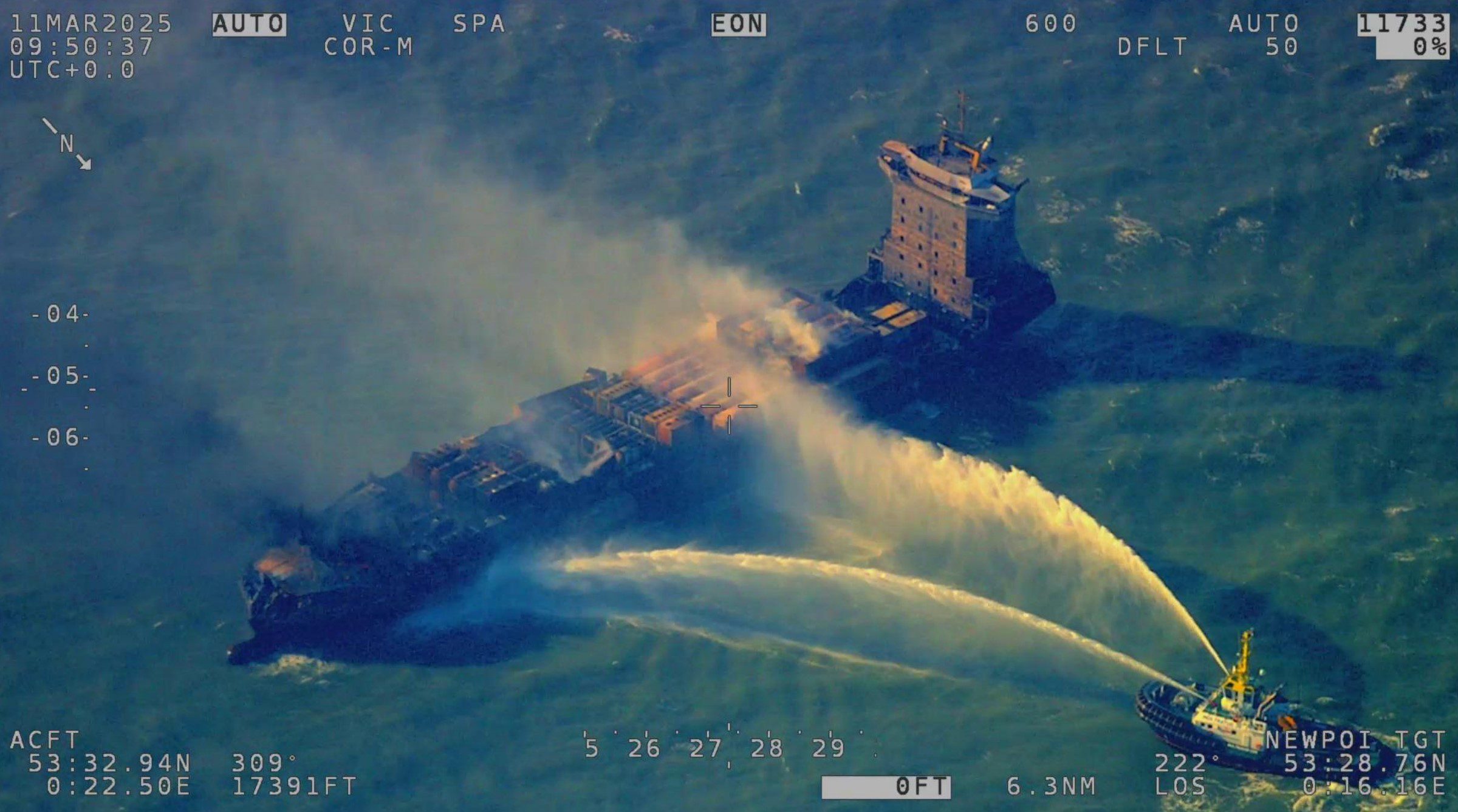
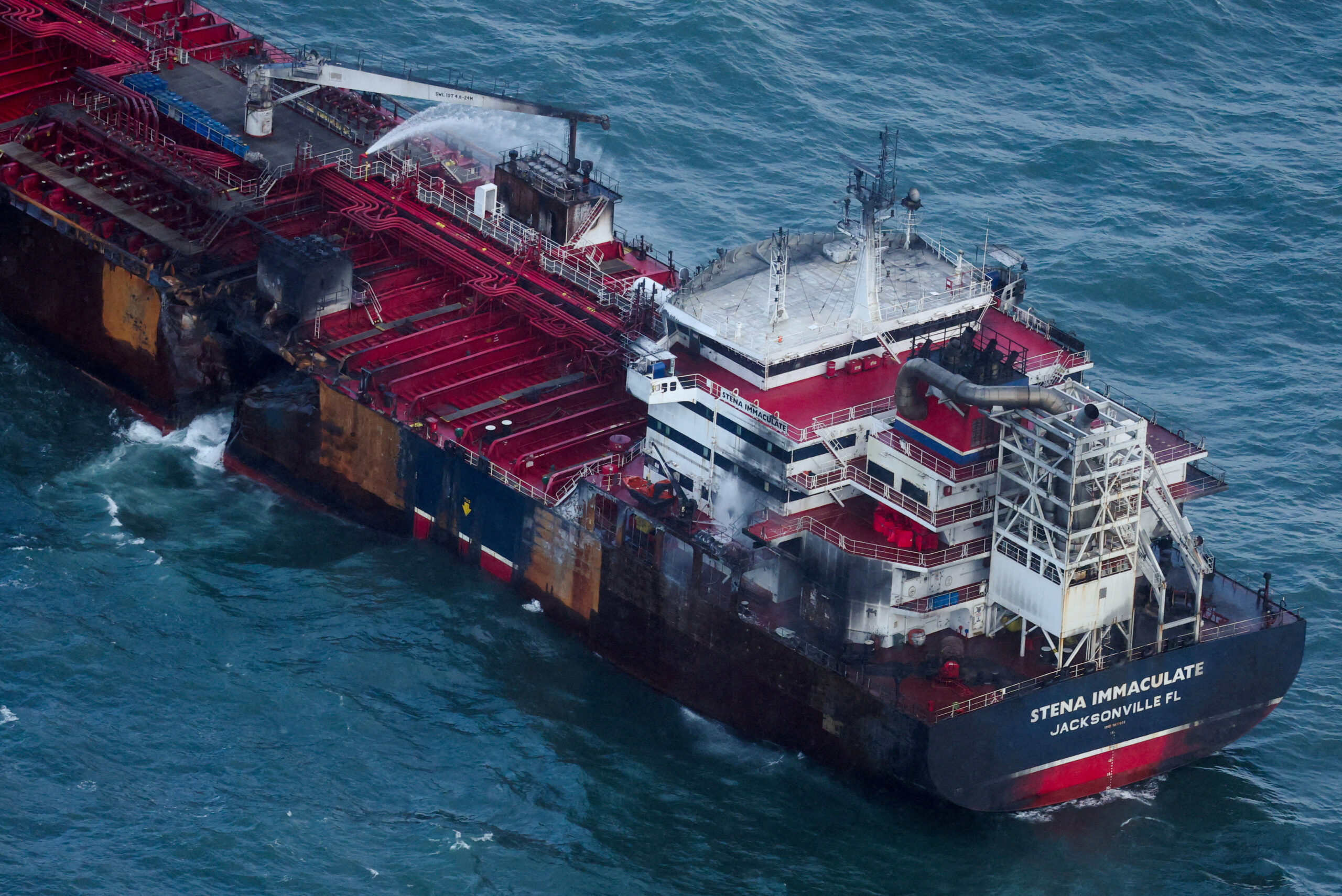
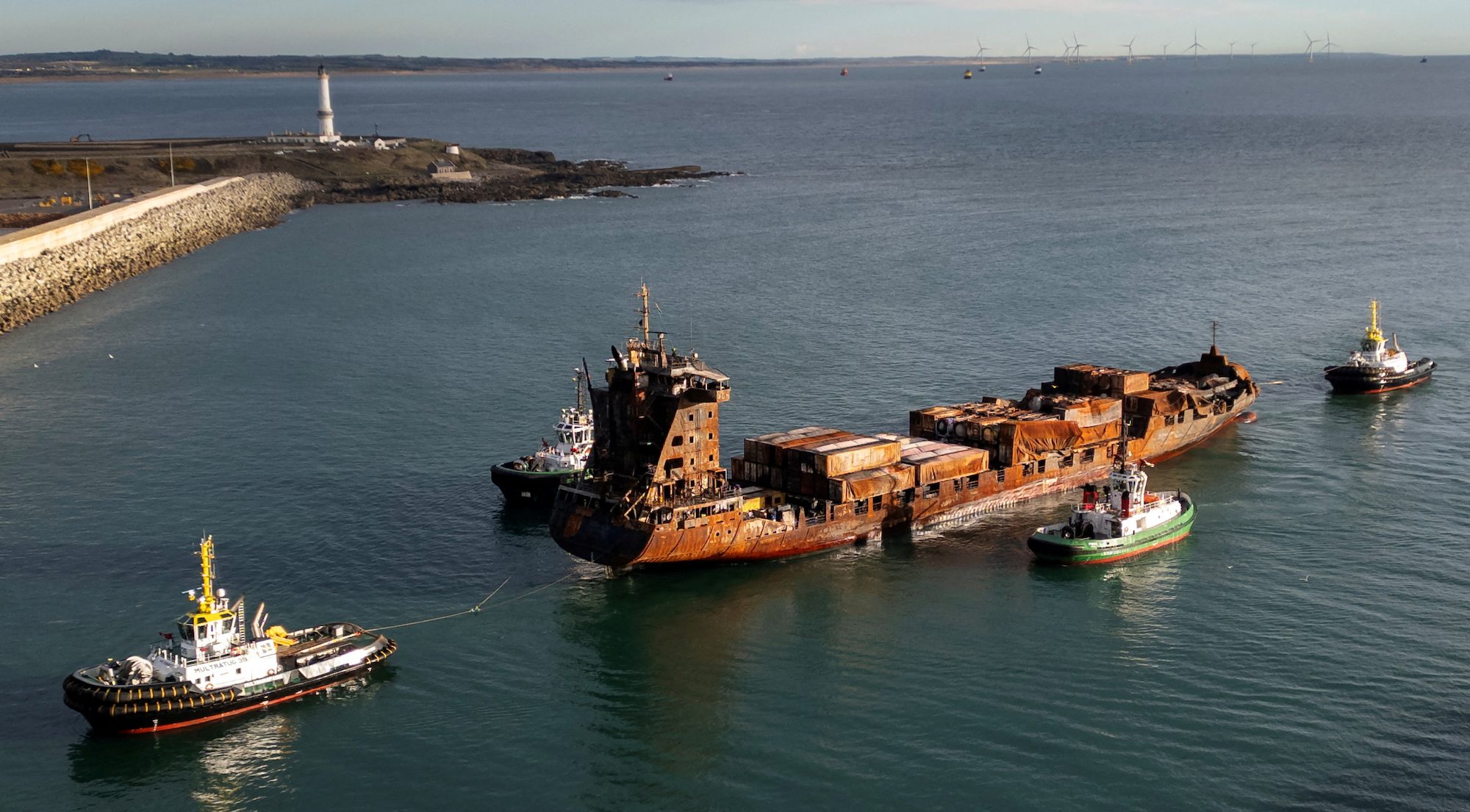
The ruling stems from the March 2025 casualty off England’s Humber coast, when the Portuguese-flagged containership Solong slammed into the anchored tanker Stena Immaculate at approximately 16 knots while the tanker was carrying more than 220,000 barrels of jet fuel.
The collision killed Filipino able seaman Mark Angelo Pernia and triggered an explosion and fire that burned for days. Solong master Capt. Vladimir Motin was later convicted of gross negligence manslaughter and sentenced to six years in prison after prosecutors said the tanker had remained visible on radar for more than 30 minutes before impact while no evasive action was taken.
The core dispute before the Admiralty Court centered on whether the casualty was so reckless that Solong’s owners should lose the normally protected right to cap damages under the LLMC regime.
The owners and operators of Stena Immaculate argued that dangerous operational practices aboard Solong may have been known by shore-side management and that the vessel was effectively “a collision waiting to happen.” They sought to invoke Article 4 of the convention, which removes limitation rights where losses result from a shipowner’s intentional misconduct or reckless conduct carried out with knowledge that such losses would probably occur.
But the judge rejected the argument, finding no realistic factual basis to conclude senior management knowingly allowed Solong to operate in a manner making collision probable.
“The asserted Article 4 defence,” Baker wrote, depended on the “inherently fanciful notion” that senior management knowingly “chose to roll the dice” with a dangerously operated vessel.
The judge described the defense as “speculative imagination” unsupported by evidence.
At the same time, the ruling carries broader legal significance because the court rejected an ultra-narrow interpretation of Article 4 advanced by Solong’s owners.
The owners had argued that “such loss” under Article 4 should mean the exact loss that occurred — in this case requiring proof management specifically foresaw a collision with Stena Immaculate itself.
Instead, Baker sided with a broader interpretation, ruling that “such loss” refers to the general type of loss involved, not the specific vessel ultimately struck.
Even under that broader reading, however, the Stena Immaculate interests still failed to establish a viable case for breaking limitation.
The judgment repeatedly emphasized that the LLMC system was intentionally designed to make limitation rights exceptionally difficult to defeat.
Citing IMO guidance adopted in 2021, Baker said the convention’s liability shield is intended to be “virtually unbreakable in nature.”
The underlying MAIB investigation into the collision remains ongoing.
More Reading:

 Join The Club