The United Kingdom is stepping up its campaign against Russia’s so-called “shadow fleet,” authorizing military and law enforcement teams to board sanctioned vessels transiting British waters—including the English Channel—in a significant escalation of maritime enforcement.
The move, announced as Prime Minister Keir Starmer attended the Joint Expeditionary Force summit in Helsinki, gives UK forces new authority to interdict vessels suspected of breaching sanctions tied to Russia’s oil trade.
British officials say the policy is aimed squarely at tightening pressure on Moscow’s energy revenues, with the shadow fleet—aging, often opaque tanker networks—playing a central role in keeping Russian crude flowing despite Western restrictions.
The UK has already been tracking these vessels for years, and Royal Navy assets have recently supported allied monitoring and interdiction efforts across European and Mediterranean waters. Now, those efforts are shifting closer to home.
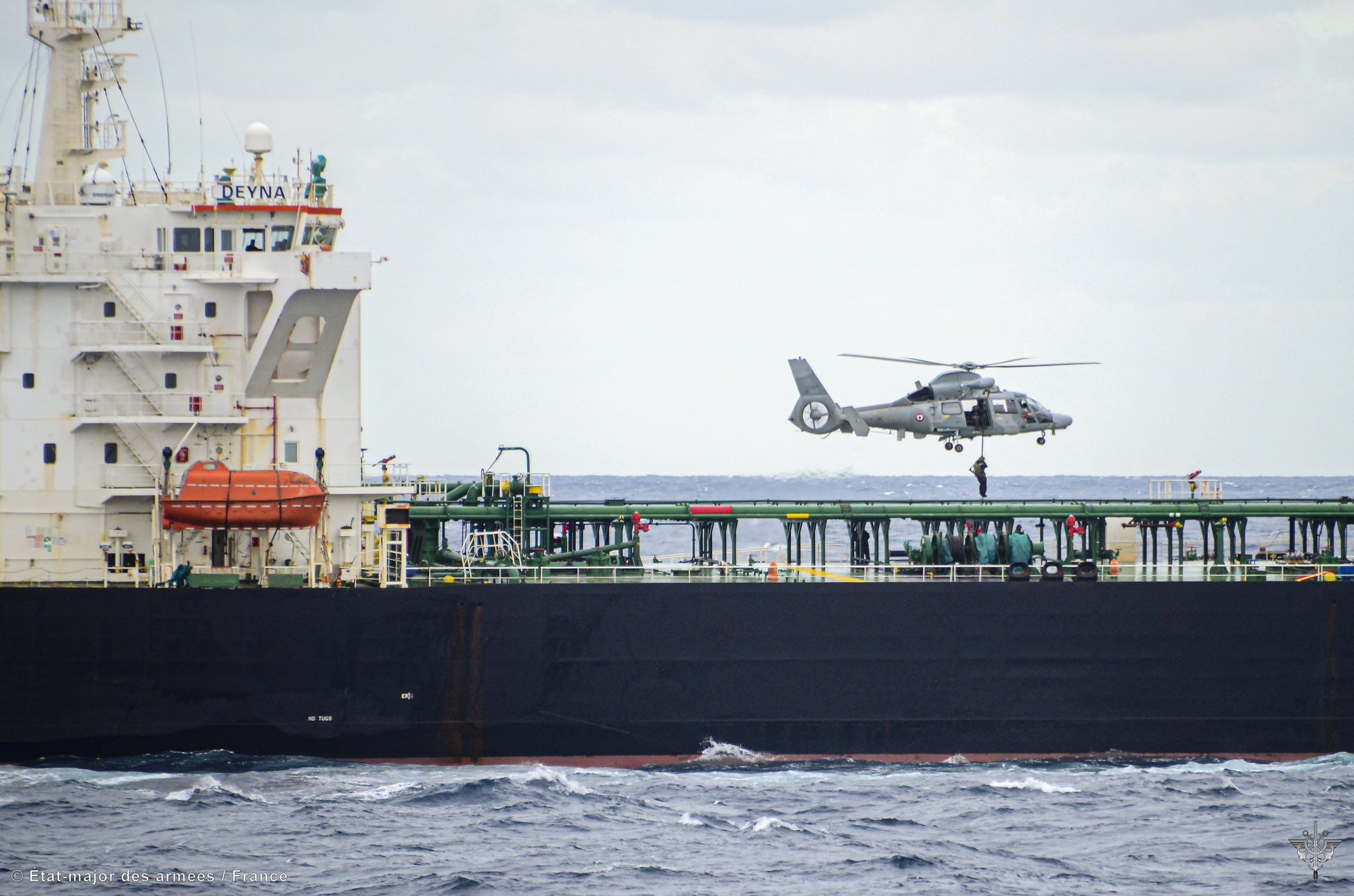
Under the new framework, vessels identified as sanctioned can be stopped, boarded, and potentially detained while transiting UK waters. Each operation will be assessed on a case-by-case basis, factoring in legal, operational, and energy market considerations before action is taken.
Officials say boarding teams have been preparing for a range of scenarios, including non-compliant vessels, armed resistance, and ships employing advanced tracking evasion techniques.
The escalation follows similar actions by Joint Expeditionary Force partners including Finland, Sweden, and Estonia, which have already moved against suspected shadow fleet activity in the Baltic Sea—effectively narrowing safe transit corridors for sanctioned vessels.
By extending enforcement into UK waters, authorities are aiming to close off one of the world’s most critical maritime chokepoints. For operators, the choice becomes stark: reroute via longer, more expensive passages or risk detention.
The stakes are significant. British officials estimate that roughly 75% of Russia’s crude exports are now carried aboard shadow fleet vessels, many operating under opaque ownership structures and outside traditional regulatory oversight. The UK and its allies have already sanctioned more than 500 such ships.
The policy also builds on earlier Western enforcement actions, including a U.S.-led seizure of the tanker Bella 1, which received support from UK assets.
If detained, vessels could trigger criminal proceedings against owners, operators, and crew for violations of UK sanctions law—raising the legal and financial risks for participants in the trade.
The broader message is clear: Western governments are moving from passive monitoring to active interdiction, signaling a more aggressive phase in efforts to disrupt Russia’s maritime oil exports.
Editorial Standards · Corrections · About gCaptain

 Join The Club