MARAD warns U.S.-flagged vessels to ignore Iranian diversion orders, maintain distance from warships, and prepare for GNSS disruption amid ongoing attacks.
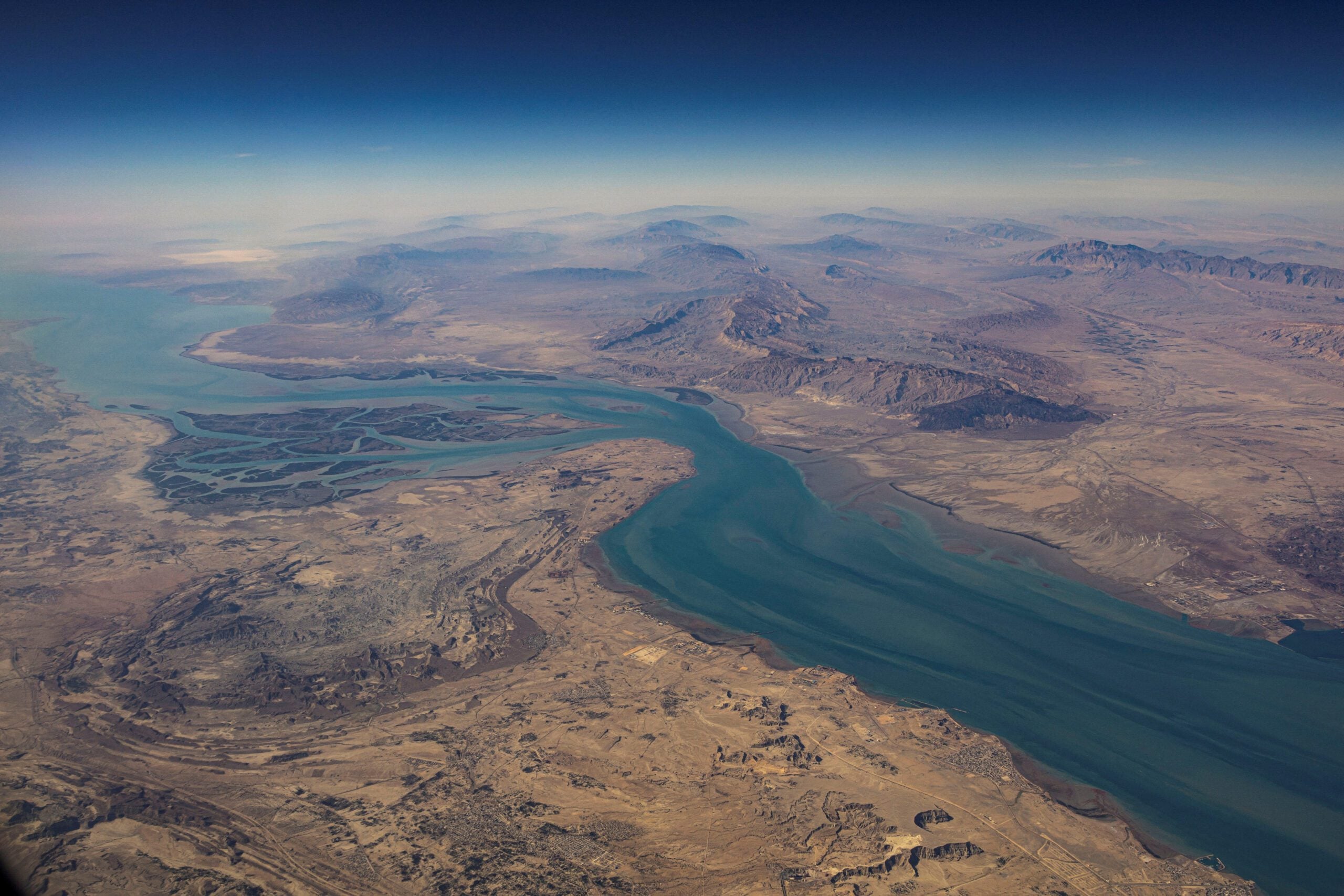
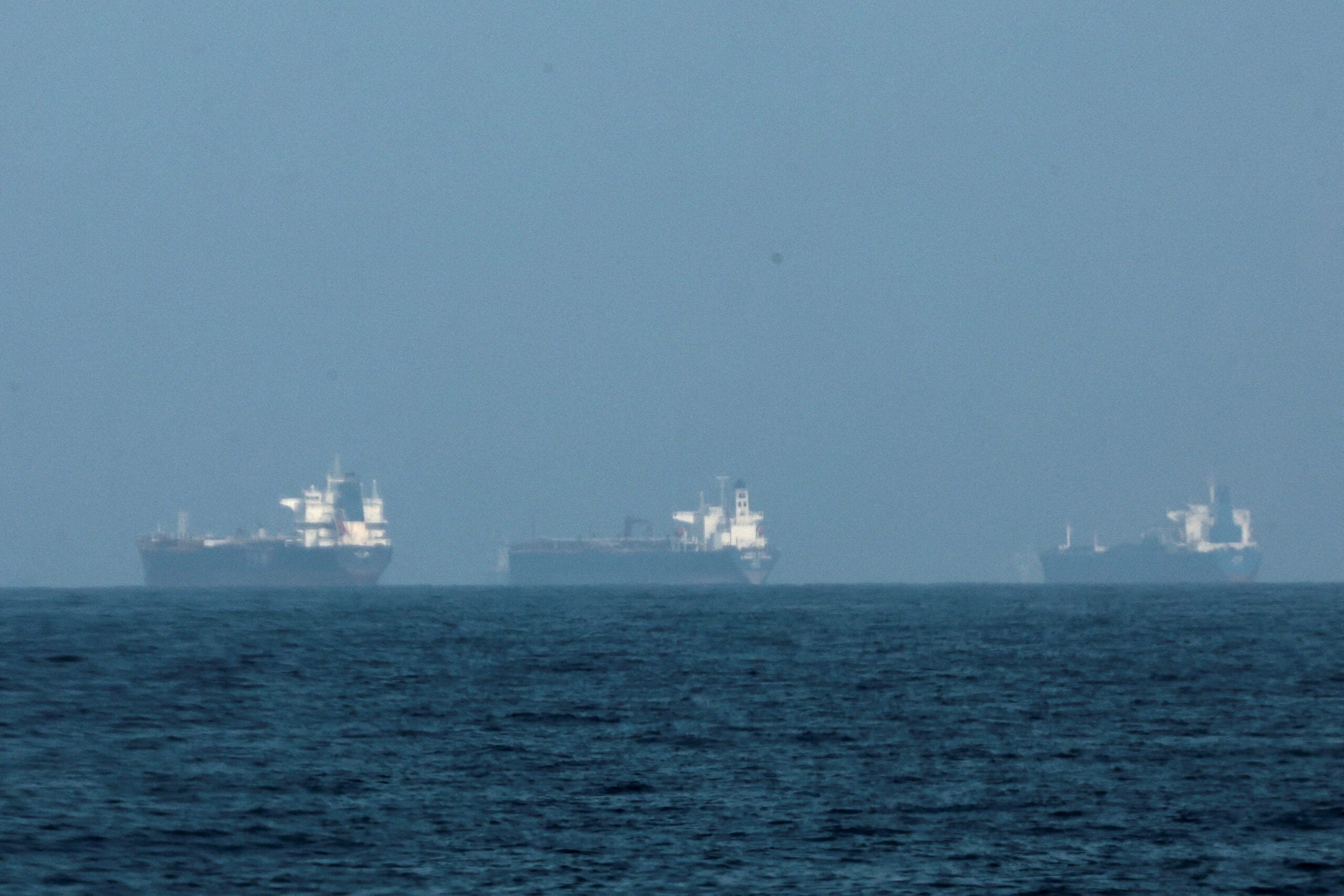
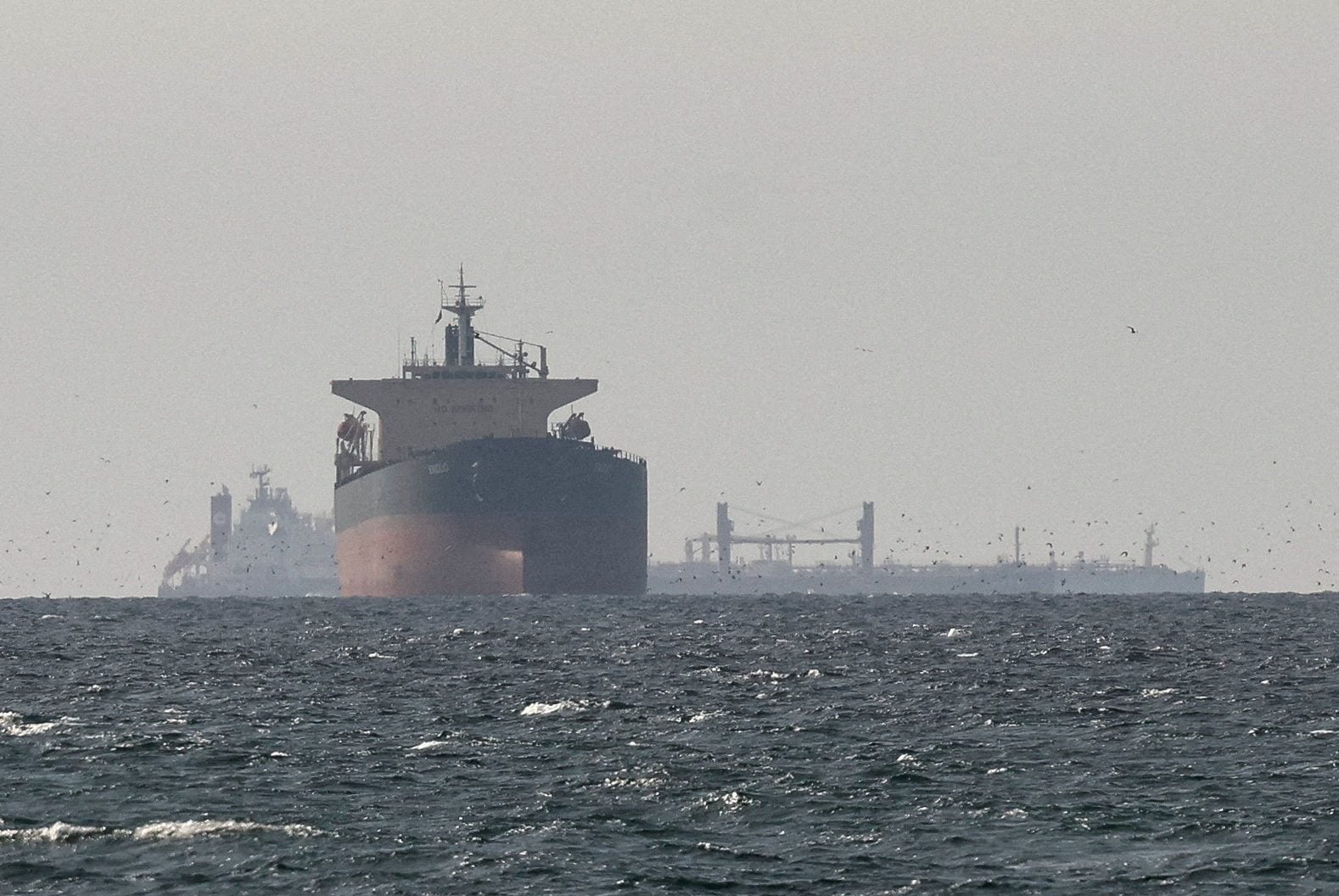
The U.S. Maritime Administration (MARAD) has issued a new security advisory warning that Iran continues to threaten and conduct attacks on commercial vessels operating in the Persian Gulf, Strait of Hormuz, and Gulf of Oman, urging heightened vigilance from U.S.-flagged ships operating in the region.
The advisory, U.S. Maritime Advisory 2026-004, replaces an earlier warning issued at the start of the current crisis and reflects the expanding threat environment facing commercial shipping.
According to MARAD, the risk of attacks against merchant vessels “remains high” as Iranian forces employ a growing range of tactics including missiles, armed drones, unmanned surface vessels, and aggressive boarding operations using small boats and helicopters.
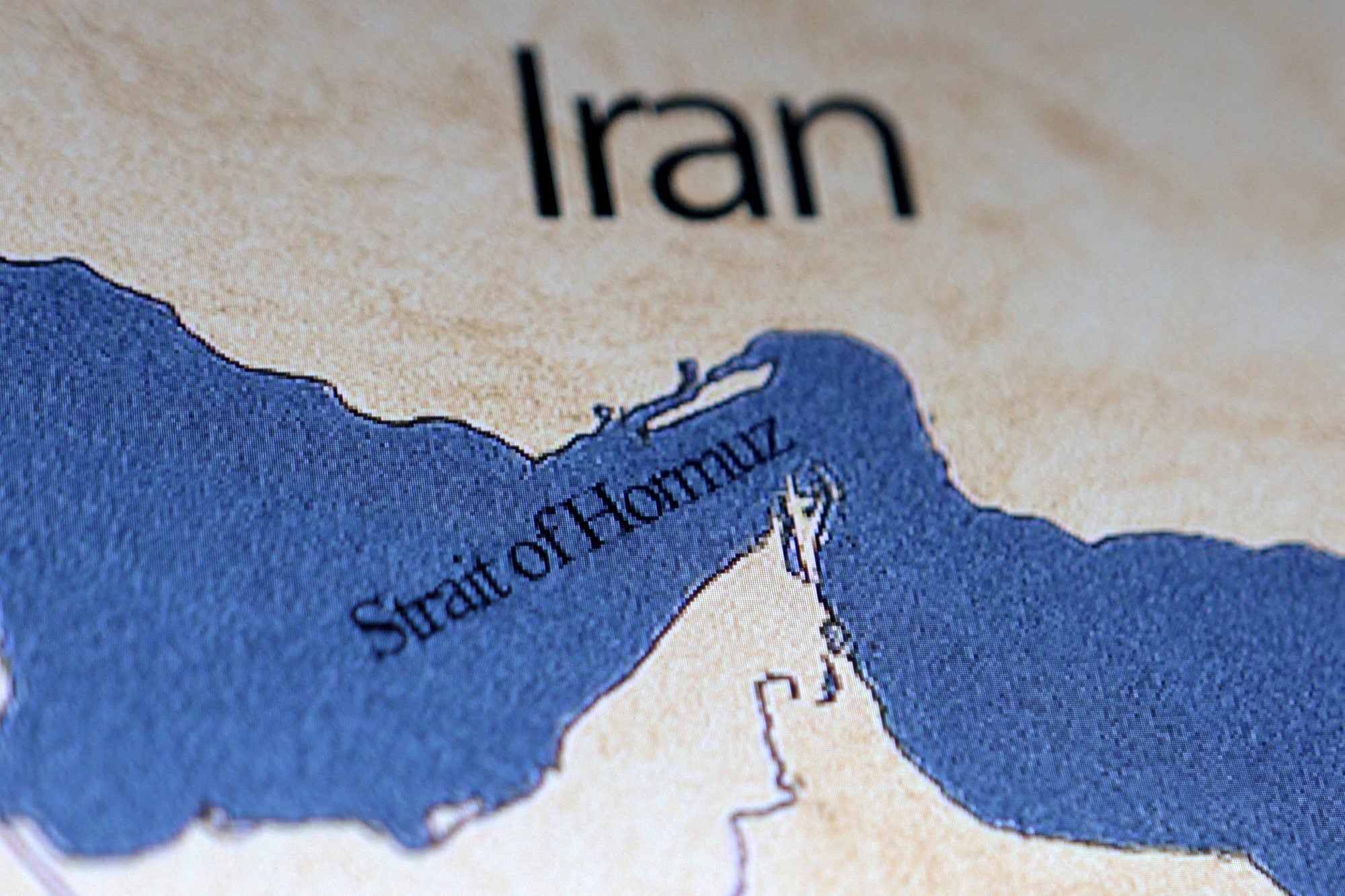
The guidance comes as maritime security advisories and vessel tracking data show persistent attacks and severe disruptions to shipping through the Strait of Hormuz, one of the world’s most critical energy chokepoints.
Key Guidance for U.S.-Flagged Ships
The advisory outlines several operational recommendations for American vessels transiting the region.
Most notably, U.S.-flagged ships are instructed to maintain at least 30 nautical miles distance from U.S. military vessels in order to reduce the risk of being misidentified as a potential threat during naval operations.
Commercial vessels should also answer all VHF calls from coalition naval forces, which may conduct maritime awareness checks and approach vessels as part of security monitoring.
Ship operators are urged to coordinate voyage planning closely with U.S. Naval Forces Central Command’s Naval Cooperation and Guidance for Shipping (NCAGS), which maintains a 24/7 watch and provides real-time threat information for vessels operating in the region.
MARAD also recommends that vessels remain as far from Iranian waters as possible when navigating the area, and specifically advises ships traveling eastbound through the Strait of Hormuz to stay closer to Oman’s coastline when safe to do so.
Ignore Iranian Diversion Orders
In one of the advisory’s most notable instructions, the U.S. government warns that Iranian forces may attempt to contact vessels via VHF radio or email and order them to divert from their planned course or provide detailed voyage information.
U.S.-flagged ships are explicitly instructed to ignore such communications and continue their passage if safe to do so.
U.S. officials caution that these communications may be used by Iranian forces to verify vessel identity, cargo, ownership, or destination—or potentially improve targeting accuracy for missile or drone attacks. Ships encountering such communications are urged to immediately report the incident to NAVCENT NCAGS and maintain close coordination with coalition naval forces operating in the region.
AIS Data Suggests Possible Iranian Ship Screening
The advisory comes as AIS vessel-tracking analysis suggests Iran may already be informally verifying some ships before allowing them to leave the Persian Gulf.
Recent analysis by maritime risk consultancy EOS Risk Group shows several vessels exiting the Strait of Hormuz diverting north toward Iranian waters and passing between Iran’s Larak and Qeshm islands before continuing into the Gulf of Oman—an unusual routing pattern compared with the normal traffic separation scheme closer to Oman.
According to EOS Risk Group’s head of advisory Martin Kelly, the route may function as an informal verification checkpoint. “We could be seeing the start of a verification process by Iran whereby ships must be approved to transit via the Strait of Hormuz by calling between Larak and Qeshm,” Kelly told gCaptain.
AIS tracks reviewed by analysts show multiple vessels—including the Pakistan-flagged Aframax tanker Karachi and bulk carriers Anthea, Lacon, and MDL Kamran—following the same corridor before exiting the Gulf.
While the pattern remains limited to a small number of ships, analysts say it could indicate that some vessels are coordinating with Iranian authorities or undergoing verification before being allowed to transit the strait.
Navigation Risks Increasing
MARAD also warns that significant GNSS interference, spoofing, and jamming continue across the Persian Gulf region, degrading the reliability of satellite navigation systems.
Because of the disrupted navigation environment, mariners are advised to increase reliance on traditional navigation methods, including radar ranges, visual bearings, and cross-checking ECDIS data with secondary navigation systems.
The agency says vessels should also conduct pre-voyage risk assessments, incorporate protective measures into vessel security plans, and maintain continuous monitoring of VHF Channel 16.
Mandatory Security Reporting
The advisory also reminds ship operators of several reporting requirements:
- Register with the United Kingdom Maritime Trade Operations (UKMTO) at least 24 hours before entering the Indian Ocean Voluntary Reporting Area.
- Include estimated arrival times for the Strait of Hormuz, Bab al-Mandeb Strait, or Suez Canal in voyage reports.
- Immediately report attacks, suspicious activity, or security incidents to the U.S. Fifth Fleet Battle Watch, UKMTO, and the U.S. Coast Guard National Response Center.
U.S.-flagged vessels operating in the region must also comply with U.S. Coast Guard Maritime Security Directive 104-6, which governs vessel security procedures in designated High-Risk Waters.
Security Environment Remains Volatile
The advisory underscores the continuing deterioration of maritime security across the region, where attacks on commercial vessels have spread beyond the Strait of Hormuz into broader Gulf shipping lanes. U.S. officials say the government is continuing to monitor the evolving threat environment while working with coalition partners and the maritime industry to safeguard freedom of navigation and protect commercial shipping.
The advisory will remain in effect until September 9, 2026, unless replaced by updated guidance.
Editorial Standards · Corrections · About gCaptain

 Join The Club