The second set of U.S. waivers on Russian oil and vessel tracking data shows both the Iranian and Russian shadow fleets are profiting off the U.S./Israel war against Iran.
Lloyd’s list data tracked over half of the tankers and gas carriers traversing the Strait of Hormuz as Iranian. Container ships are also included.
“Iran is still exporting, and they haven’t stopped,” said Bridget Diakun, senior risk and compliance analyst at Lloyd’s List Intelligence. “These ships are really used to disruptions. They have a really high-risk appetite. So, they are going to be going through the Strait of Hormuz.”
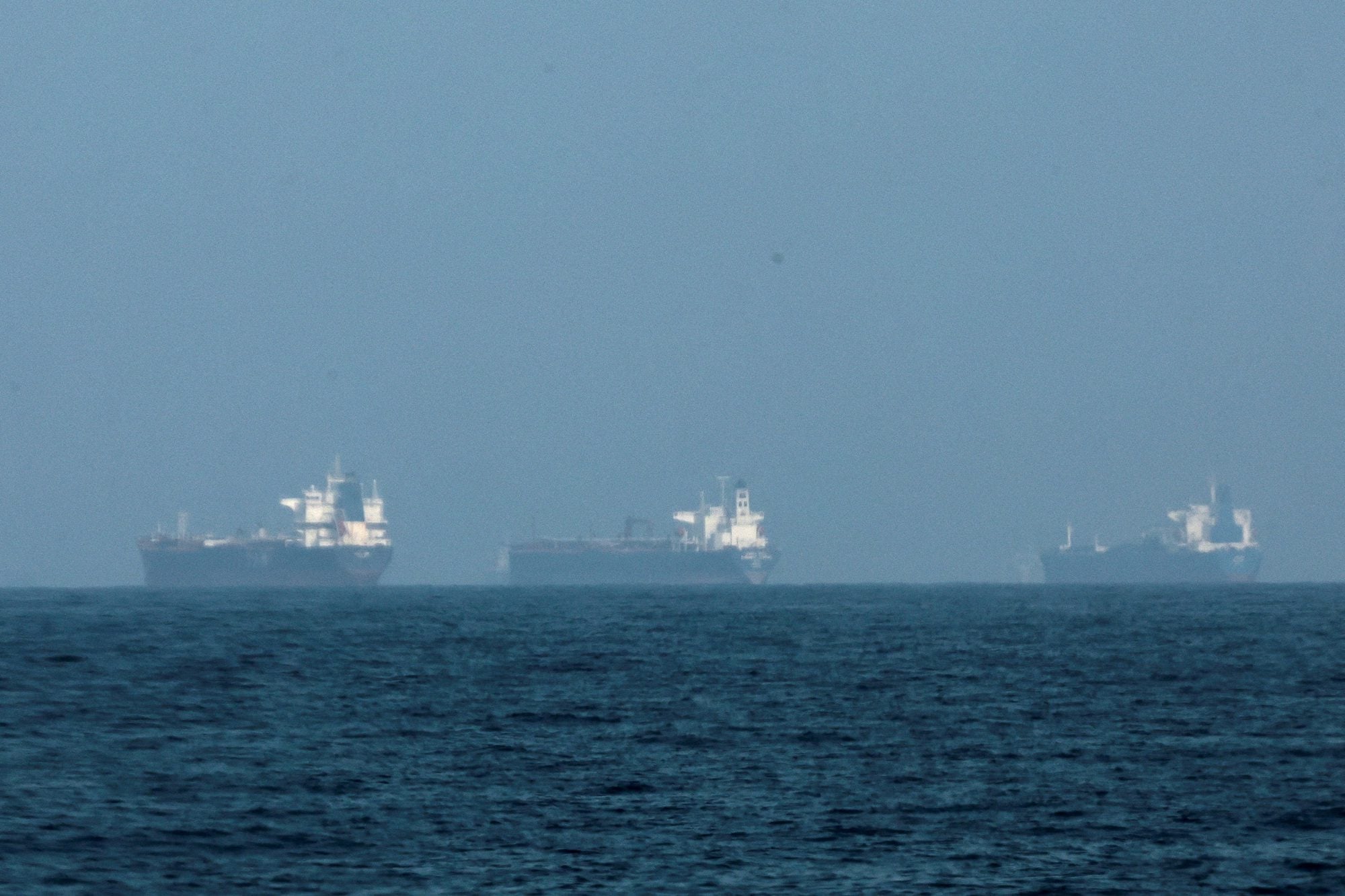
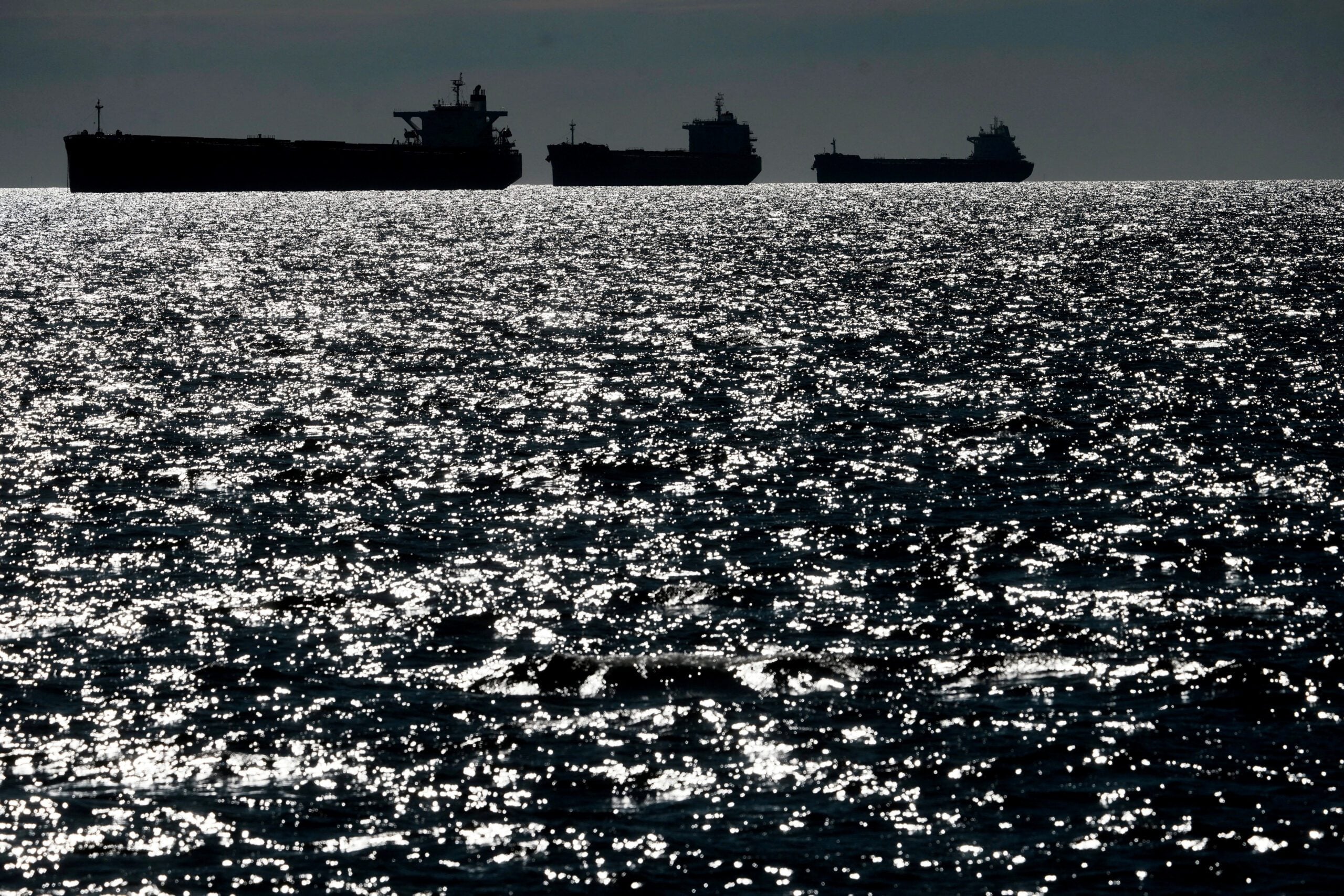
March 10 was a busy day of transit through the Strait of Hormuz. A total of 10 vessels traversed the waterway. Many of those vessels are linked to Iran.
“A lot of its sanctioned container ships are going through,” said Diakun.
The U.S. Treasury announced Thursday evening the lifting of some sanctions, allowing Russian crude and petroleum products loaded on vessels before March 12 to be delivered and offloaded through April 11.
“This has effectively created a 30-day wind-down window so cargo is already at sea, can effectively complete their voyages rather than becoming stranded floating supply,” said Richard Meade, editor-in-chief of Lloyd’s List. “That’s important, because we’ve got about just under 130 million barrels of Russian crude already on the water that’s just been given a path to discharge. Now, obviously, that is related to oil price in terms of trying to get the price down, making sure that supply is there, but it’s a gift to Russia in terms of sanctions.”
In a note to clients, ClearView Energy Partners wrote, “To some extent, U.S. reliance on Russia sanctions relief to shore up supply for Hormuz-reliant Asian importers—one day after the largest drawdown in IEA history, no less—would appear to underscore both the direness of current market conditions and the limitations associated with government strategic reserves. Notwithstanding benefits to the Kremlin, Russian barrels stranded at sea, like (above-board) volumes already in transit and producers’ forward-positioned commercial inventories, can reach importers quickly.”
Vessel tracking data by Lloyds tells the story of how nimble the Russian shadow fleet is to adjust and pivot on this opportunity.
“When the waiver was issued for India, we instantaneously saw shadow fleet ships, tankers, sanctioned ones, and non-sanctioned respond,” said Diakun . “You saw vessels making U-turns and diverting course.”
The vessels identified were originally going to Malaysia or China. The vessels then turned around and started heading for India.
The reason for the diversion is money. India has been able to outbid Chinese buyers.
“The lifting of sanctions is a godsend for Russia’s shadow fleet,” said Diakun. “Russia is in a position to make a lot of money because of this given pass.”t
Other moves monitored and recorded by the Russian shadow fleet include non-sanctioned shadow fleet vessels now available near Venezuela, sitting idle.
It is anticipated by Lloyd’s List Intelligence that these vessels will start to reposition to move Russian oil.
The waiver will also speed up the delivery of oil by eliminating the need for Russian shadow fleet vessels to do ship-to-ship transfers. Faster, direct voyages will now be done.
Aiding Russia’s shadow fleet- Iran.
“We’ve counted seven ships that were inbound ballast,” said Diakun. “Some of them are sanctioned. Some of them are just drifting, while others are actively looking for new employment.”
One Iranian vessel, historically tracked doing exclusive Iranian trade, was moving up to Suez.
“So, it could be taken on a Russian cargo,” explained Diakun. “It could go directly to Russian ports, while the other two Iranian vessels are heading to Singapore and Malaysia. There are at least 16 tankers that we think are likely positioned to load at this point.”
The lifting of additional sanctions is raising safety concerns in the tanker world.
“This really flies in the face of our efforts to remove the shadow fleet from the seas,” stressed Tim Wilkins, managing director of INTERTANKO. “Opening up opportunities to move cargoes on what is now evidently a substandard and unseaworthy fleet undermines all recent seizures by the US, France, and other States. This sends the wrong signal to those individuals continuing to operate outside of the global maritime legislative frameworks and industry standards.”
The drastic shift of the United States lifting some Russian sanctions is considered a short-term band-aid versus a long-term solution.
“You can look for alternative sources like the lifting of Russian sanctions, but in general, the gap is too big to refill,” said Jelle Vreeman, an independent shipbroker. “Oil flows are completely disrupted.”

 Join The Club