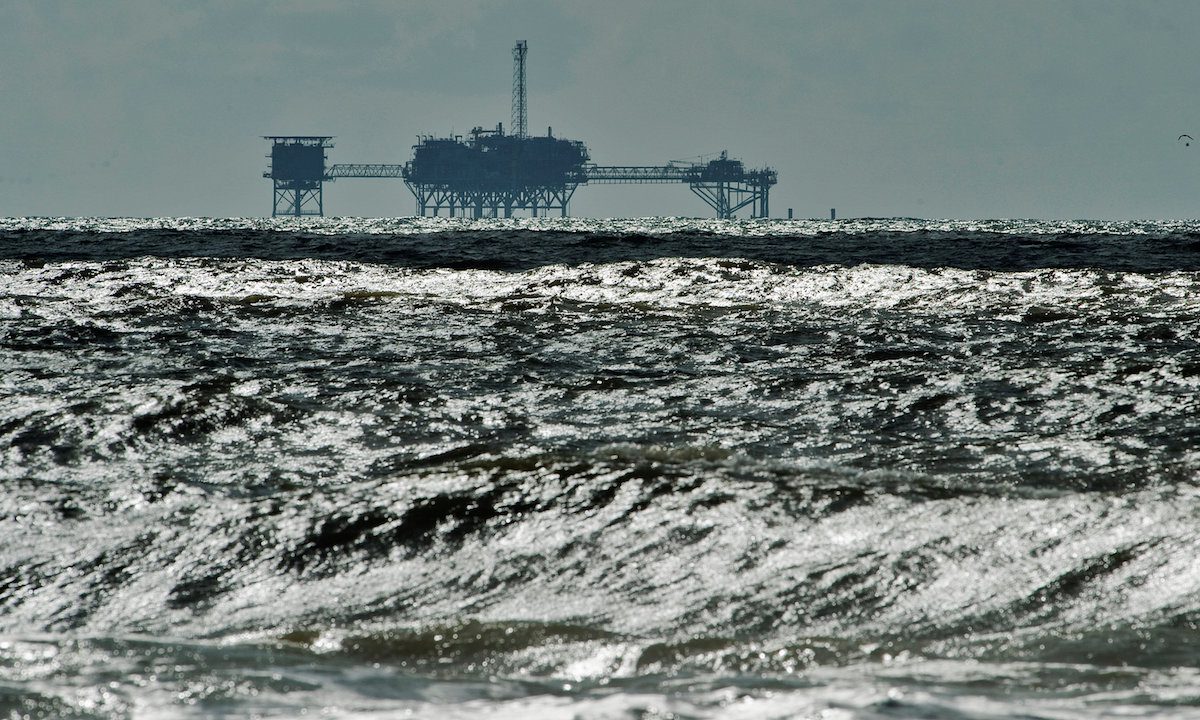
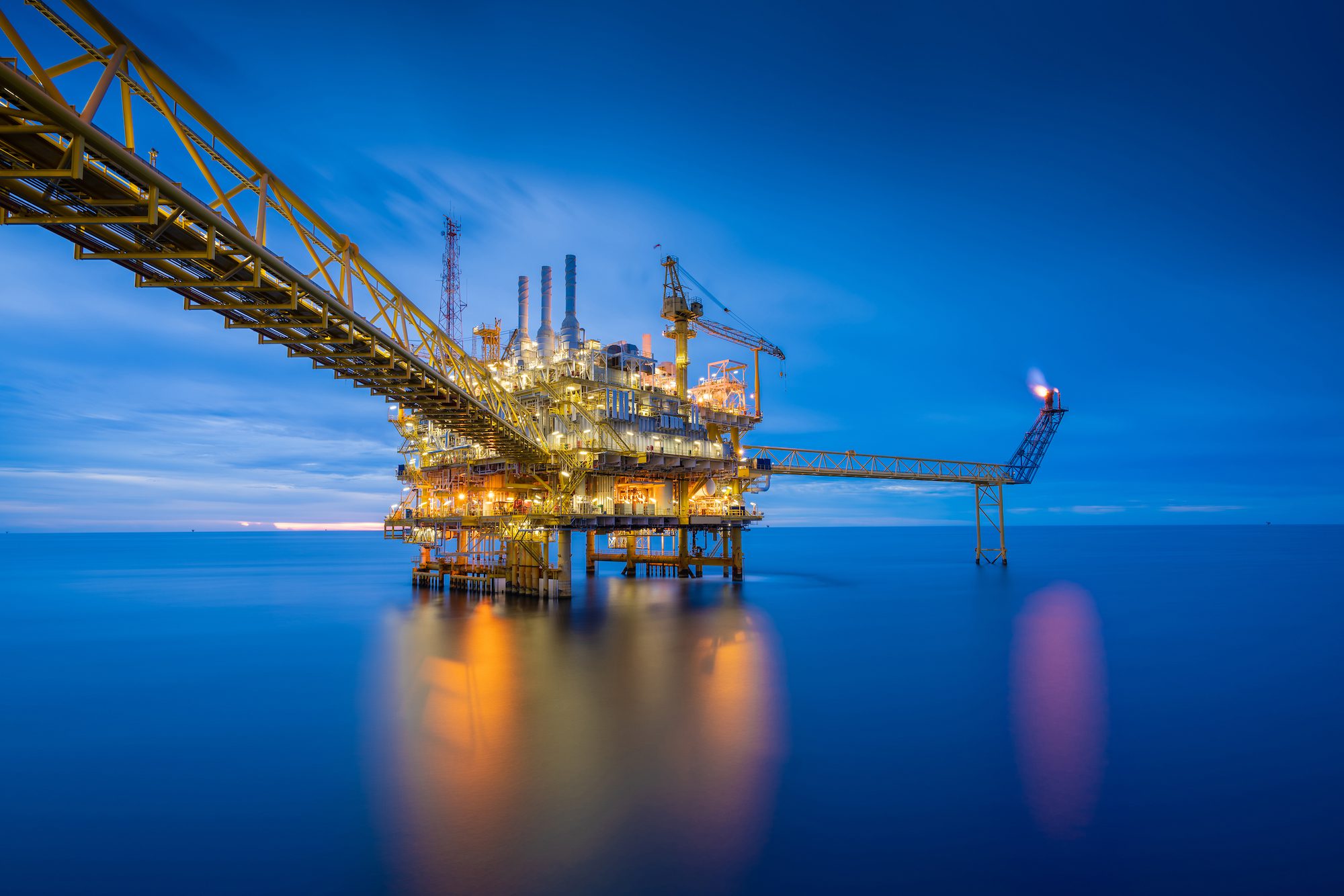
The U.S. Department of Energy has closed a $480 million loan to modernize 22 offshore platforms in the Gulf of Mexico, marking the department’s first completed loan financing domestic oil and natural gas production.
The financing, announced Tuesday, will support Arena Energy’s Project Elkhorn, a major infrastructure redevelopment effort in the Southern Eugene Island area off Louisiana. The project is expected to increase offshore production by as much as 38,600 barrels of oil and 77 million cubic feet of natural gas per day at peak output.
The loan comes through the Department of Energy’s Office of Energy Dominance Financing (EDF), formerly known as the Loan Programs Office, which the Trump administration has redirected toward expanding domestic energy production and strengthening existing infrastructure.
The Energy Department said the financing was made possible by provisions in President Donald Trump’s Working Families Tax Cut legislation.
Arena Energy’s wholly owned subsidiary, Elkhorn Offshore, will use the financing to refurbish and reactivate idled platforms, expand production and water-handling capacity at existing facilities, and develop new natural gas pipeline infrastructure connecting future wells to existing gathering systems.
Over the project’s operating life, Arena estimates the improvements could unlock approximately 125 million barrels of additional oil and 250 billion cubic feet of natural gas.
“The Southern Eugene Island area is one of the most prolific oil-producing regions in American history, and its infrastructure still has decades of productive life ahead,” said Mike Minarovic, Arena Energy’s founder and CEO. “What it needed was long-term capital to match the opportunity.”
The financing represents a notable shift in the federal government’s approach to energy infrastructure lending.
Previously known as the Loan Programs Office, the DOE financing program became a major source of federal support for clean energy projects, including renewable power, battery manufacturing and electric vehicles. Under the Trump administration, the renamed office has placed greater emphasis on conventional energy production, grid reliability and reinvestment in existing infrastructure.
The Arena loan is the first to reach financial close specifically supporting domestic oil and gas production under the department’s lending programs, according to DOE.
“The United States is the world’s largest producer and exporter of oil and natural gas, and thanks to President Trump, American energy production will continue to grow,” Energy Secretary Chris Wright said.
“Project Elkhorn will increase oil production by up to 38,600 barrels per day and create thousands of jobs,” Wright added.
Arena currently produces approximately 30,000 barrels of oil per day from its offshore Gulf operations, according to DOE. The projected increase from Project Elkhorn would therefore represent a substantial expansion relative to the company’s existing oil production.
The project is also expected to support 2,800 jobs, including 2,400 construction positions and 400 operations roles.
Arena estimates the additional production will generate approximately $1.6 billion in federal royalty revenue over the life of the project, although that figure represents the company’s projection rather than a guaranteed return on the government’s financing.
Founded in 1999, Arena Energy is among the largest privately held offshore oil and natural gas producers in the Gulf. The company says it has invested more than $5 billion in the region and paid more than $1.8 billion in federal royalties since its founding.
Arena will execute Project Elkhorn alongside affiliated companies White Fleet Drilling and Rosefield Pipeline.
The company said the loan closed following technical, legal, environmental and financial due diligence. Additional financial terms were not disclosed.
The investment highlights a growing focus on extending production from mature offshore fields, where existing platforms, pipelines and processing facilities can be refurbished to support additional drilling and production without requiring entirely new offshore developments.

 Join The Club