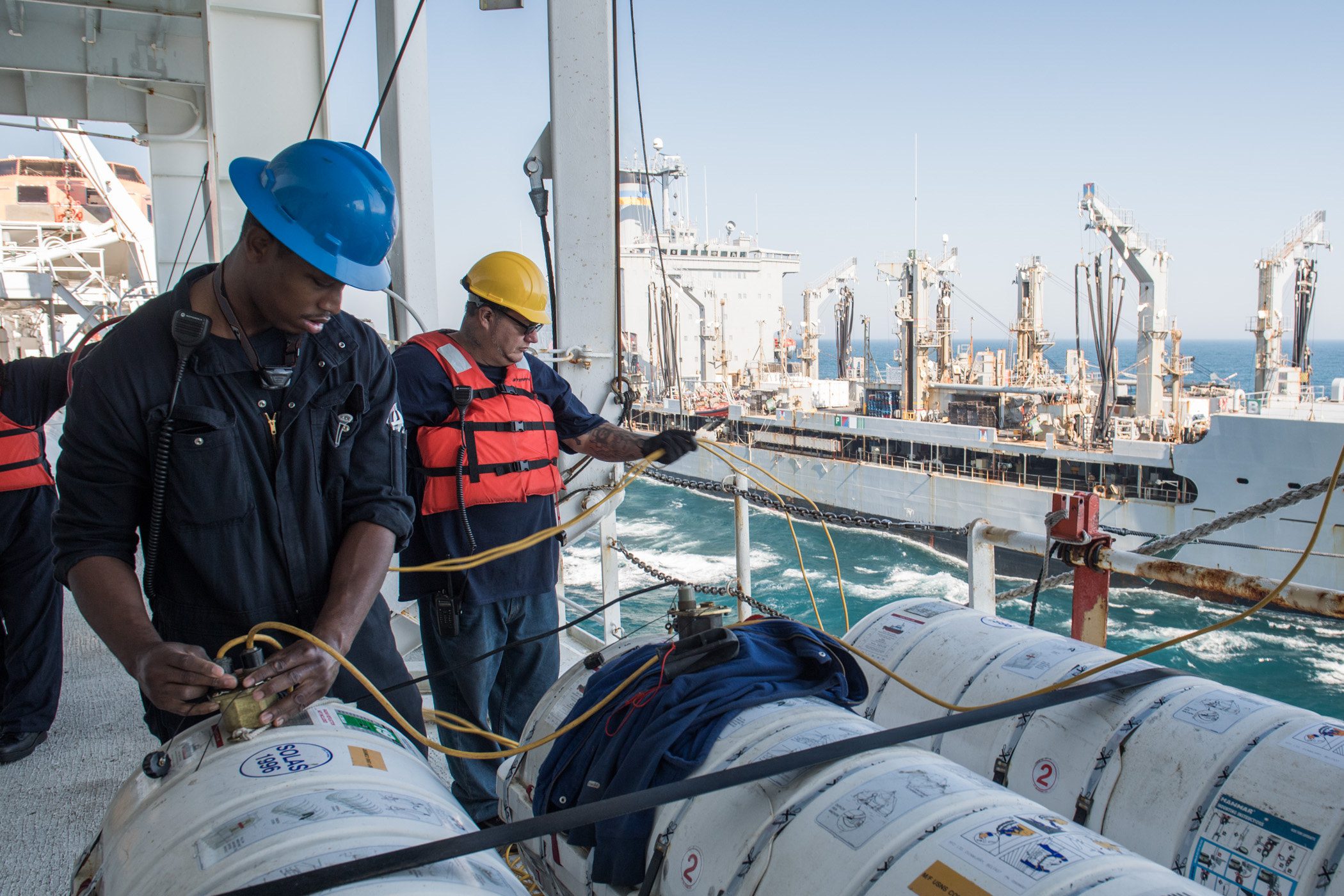
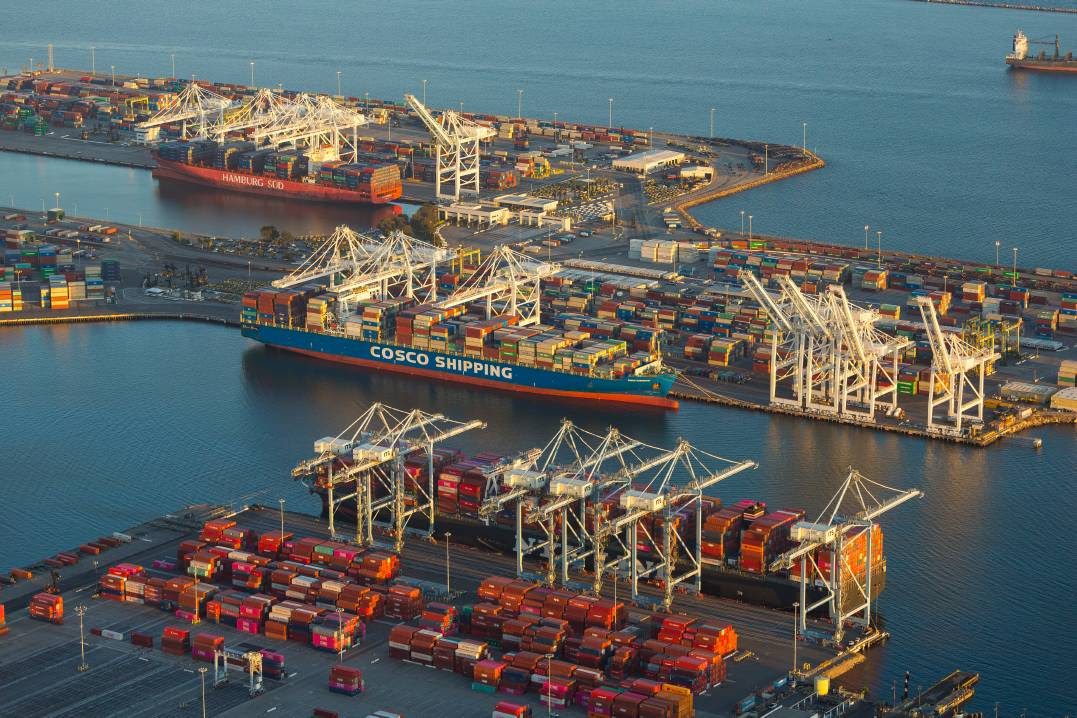
The U.S. Maritime Administration has designated 16 additional maritime training institutions as Centers of Excellence, expanding a federal program aimed at building the nation’s maritime and shipbuilding industries workforce.
The new designations bring MARAD’s Centers of Excellence network to 48 institutions operating across 87 training facilities in 28 states and territories. MARAD said the centers collectively train about 58,000 mariners, apprentices and students each year.
Among the newly designated institutions are the University of Michigan’s Department of Naval Architecture and Marine Engineering, Northwest Maritime Center in Washington, Chapman School of Seamanship in Florida, Bunker Hill Community College in Massachusetts and Webb Institute in New York.
The 16 new institutions alone account for nearly 20,000 trainees preparing for maritime careers, according to the Department of Transportation.
“From constructing Navy warships to operating river towboats, we are partnering with elite institutions to equip our mariner workforce with the skills needed to keep our supply chains moving,” Transportation Secretary Sean P. Duffy said.
The expansion comes as the Trump administration looks to increase the supply of skilled workers available to U.S. shipyards, commercial vessel operators and other parts of the maritime industrial base.
President Donald Trump’s April 2025 executive order on “Restoring America’s Maritime Dominance” specifically identified workforce recruitment, training and retention as central to rebuilding U.S. maritime capacity. The order directed federal agencies to examine the number of credentialed mariners needed to support an expanded U.S. fleet and consider ways to expand maritime education and training.
MARAD opened the latest round of applications in February, when the Centers of Excellence network consisted of 32 institutions across 44 cities in 17 states.
The expansion comes amid broader concern over the size of the U.S. maritime workforce and domestic shipbuilding capacity. The United States currently accounts for less than 1% of global commercial ship construction, a weakness the administration has sought to address through its broader Maritime Action Plan and other initiatives targeting shipbuilding capacity, procurement and workforce development.
“The strength of America’s economy is tied directly to the resilience of our domestic fleet and the technical skill of our mariners,” Maritime Administrator Stephen M. Carmel said. “The institutions we honor today are the backbone of American maritime power.”
Carmel said the institutions will support a range of workforce needs, from mariner credentialing to training workers involved in nuclear shipbuilding.
Congress first authorized the Centers of Excellence for Domestic Maritime Workforce Training and Education program under the National Defense Authorization Act of 2018. The first 27 institutions received the designation in 2021, followed by another round in 2024.
The program is intended to connect MARAD with community colleges, technical schools, maritime academies and other training institutions capable of preparing workers for careers at sea and ashore.
Designated institutions can enter cooperative agreements with MARAD covering student and faculty recruitment, facility improvements and credit for military training and experience. Schools may also be eligible to receive surplus federal equipment or temporary use of MARAD vessels.
Each Center of Excellence designation lasts five years.
MARAD said the next application period is expected to open in fall 2026.

 Join The Club