Fatal accident comes despite increasing efforts aimed at preventing enclosed-space deaths
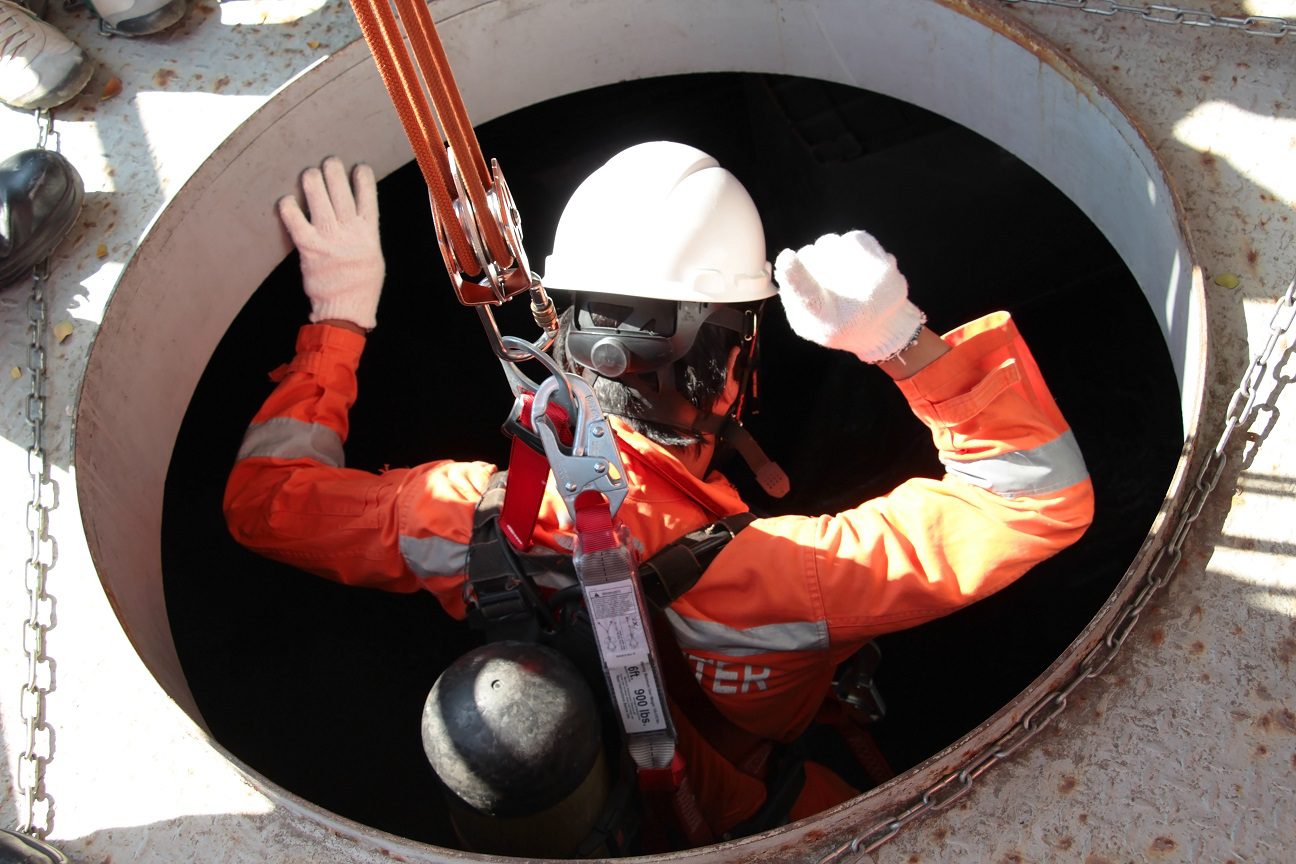
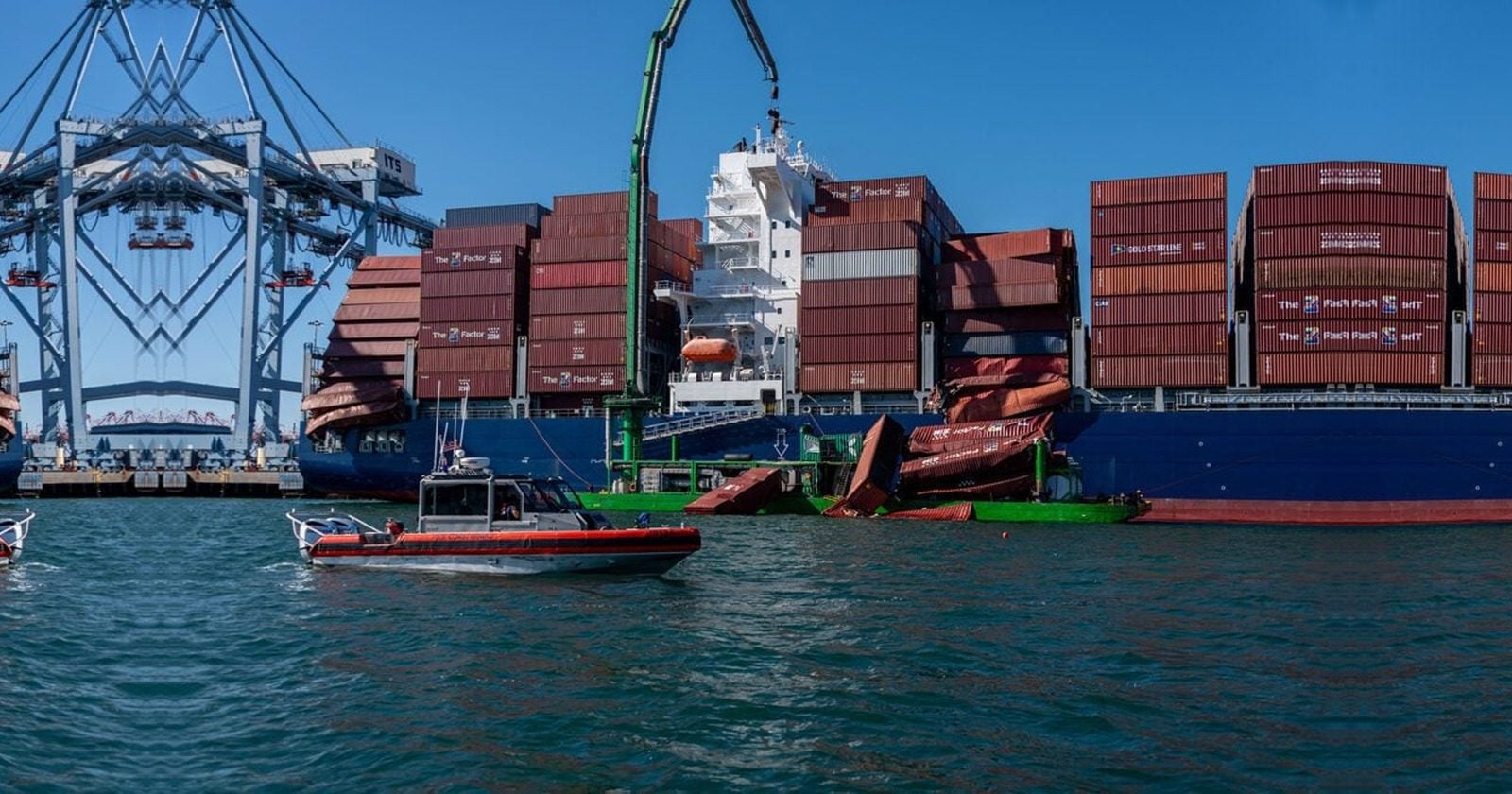
Two crewmembers are dead and two others hospitalized following a confined space incident aboard a freight barge near Ketchikan, Alaska, in the latest reminder that enclosed spaces remain one of shipping’s most persistent and deadly hazards.
The U.S. Coast Guard said it is investigating the incident, which occurred Sunday aboard the barge Waynehoe, approximately 25 miles northwest of Ketchikan.
Four crewmembers were involved in the incident. Two—identified as Ben Fowler and Sidney Mohorovich—were pronounced dead. The remaining two crewmembers were rescued and are reported to be in stable condition.
According to the Coast Guard, watchstanders at Sector Southeast Alaska in Juneau received a mayday call at 9:14 a.m. reporting that the crew of the tug Chukchi Sea had lost contact with four crewmembers inside a confined space aboard the barge while it was moored near Skowl Arm.
A 45-foot Response Boat-Medium crew from Coast Guard Station Ketchikan was launched along with personnel from the South Tongass Volunteer Fire Department. Before responders arrived, the tug’s crew recovered one deceased crewmember and assisted two others out of the confined space.
The barge was later towed to a pier in Ketchikan to support recovery operations. In a coordinated multi-agency effort, the second deceased crewmember was recovered from the space on Tuesday.
“Our deepest condolences are with the families and colleagues of the crewmembers affected by this tragic incident,” said Capt. Stanley Fields, Commander of Sector Southeast Alaska. “This is a heartbreaking reminder that confined spaces on vessels can contain extremely dangerous, invisible hazards. The Coast Guard is committed to a thorough investigation to understand what happened and prevent a tragedy like this from occurring again.”
A Persistent and Deadly Hazard
The incident comes despite recently strengthened safety requirements from the International Maritime Organization (IMO) aimed at preventing enclosed-space fatalities—an issue the industry has struggled to reduce for decades.
Data compiled by InterManager shows that confined space accidents remain stubbornly frequent. In 2023 alone, 14 incidents resulted in 34 fatalities—nearly double the number recorded the previous year. The overall number of enclosed-space accidents has shown little meaningful decline since the late 1990s.
“These are not new risks, and yet people are still dying,” said InterManager Secretary General Capt. Kuba Szymanski in a recent industry appeal for greater participation in a global safety survey. “We need to understand what’s really happening onboard.”
Bulk carriers account for roughly 41% of enclosed-space incidents, with most fatalities occurring in cargo holds and access spaces. Oxygen depletion—often caused by cargo-related processes or poor ventilation—remains the leading cause of death, frequently compounded by incomplete risk assessments or breakdowns in procedure.
New Rules, Same Risks
The IMO has steadily tightened regulations over the past decade. Since 2015, ships have been required to conduct regular enclosed-space entry drills, and since 2016, to carry portable atmosphere testing equipment.
More recent amendments introduced in 2024 call for enhanced training, ship-specific enclosed space registers, improved hazard identification, and stricter rescue planning. The rules also emphasize that crews must follow established rescue procedures and avoid entering confined spaces without proper safeguards—particularly during emergency situations.
Despite these measures, incidents like the one near Ketchikan continue to highlight gaps between regulatory requirements and real-world practice. The cause of the Alaska incident remains under investigation.
Editorial Standards · Corrections · About gCaptain

 Join The Club