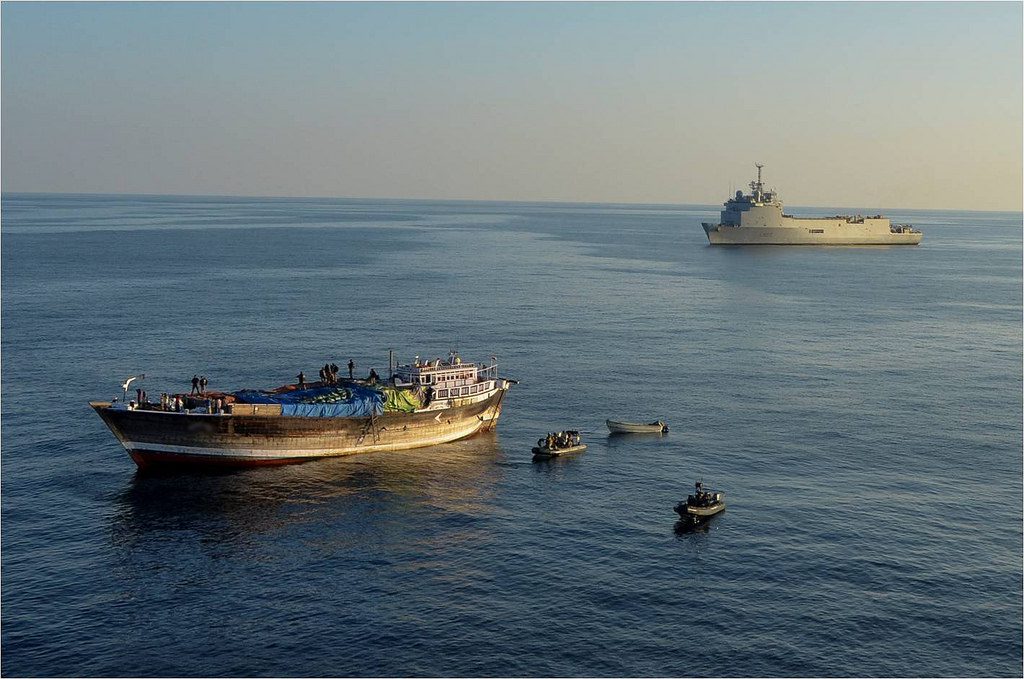
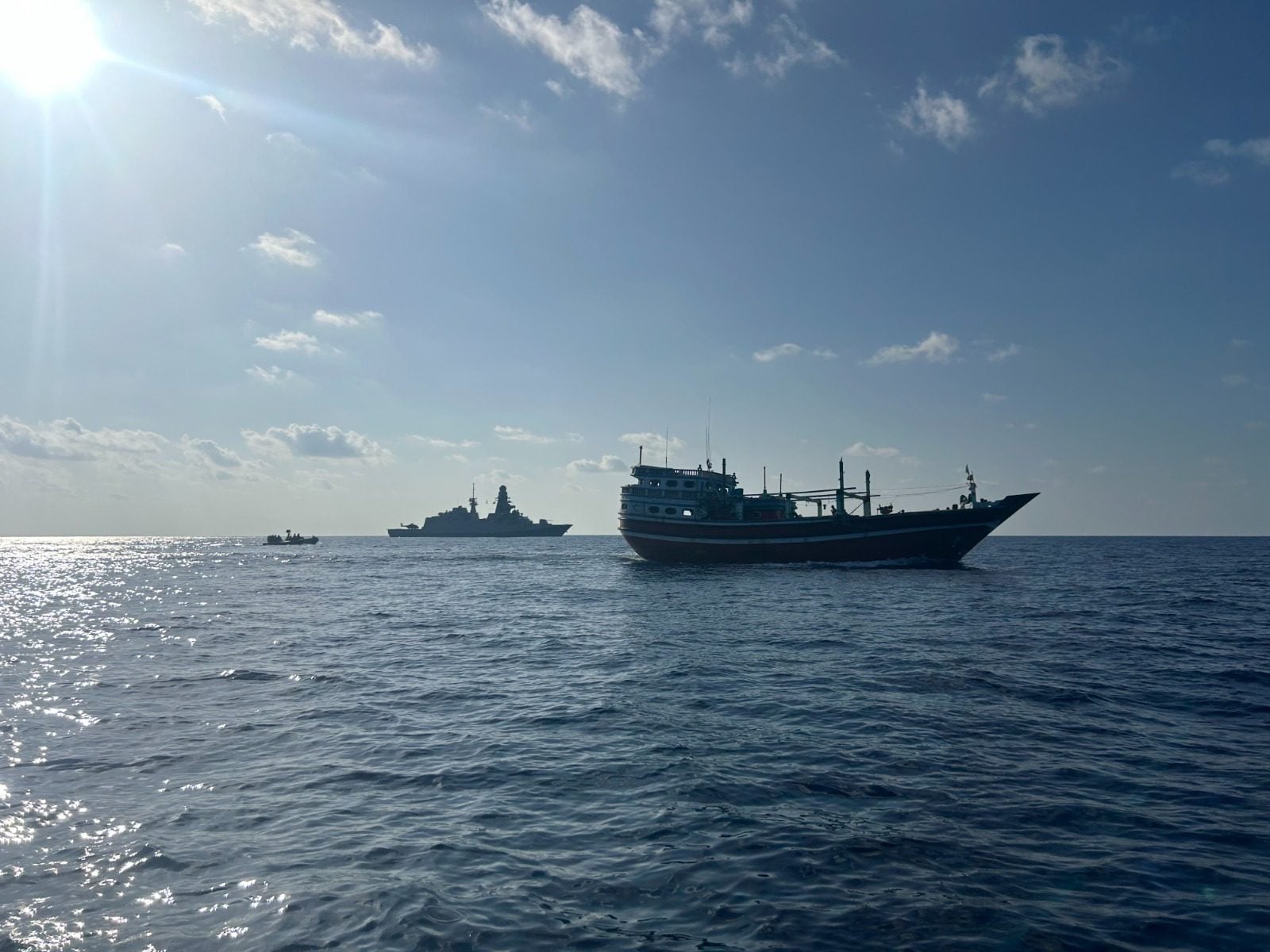
Turkish and Somali forces have freed the cargo ship Lutuf after a 10-day operation against pirates who hijacked the vessel off Somalia’s Puntland coast earlier this month, according to Somalia’s Ministry of Defense.
The Cameroon-flagged vessel was hijacked on August 17 in waters off Jiifle in the Eyl district of Somalia’s Nugaal region, becoming one of six merchant ships being held by pirates in the region.
In a statement, Somalia’s defense ministry said the Turkish Navy, working with the Somali National Armed Forces, maintained pressure on the pirates until the remaining attackers abandoned the vessel.
“During the 10-day operation, four boats used by the pirates were destroyed, while 14 pirates died,” the ministry said.
Somali authorities said forces subsequently took full control of the Lutuf and that the vessel has “now safely resumed its voyage.”
The ministry did not provide details about how the 14 alleged pirates were killed or whether there were any casualties among the ship’s crew or the Turkish and Somali forces involved.
The operation was carried out under a defense cooperation agreement between Somalia and Turkey, which has expanded its military and maritime presence in the East African country in recent years.
The release of the Lutuf comes amid renewed concern over Somali piracy in the Gulf of Aden and western Indian Ocean.
The International Maritime Organization last week sounded the alarm after the August 20 hijacking of the tanker Seamull, also known as Sibu 1, saying six merchant vessels and more than 90 seafarers were being held captive in the region.
Lutuf had been among those six vessels, along with Honour 25, Sward, Eureka, Asana and Seamull.
The Lutuf was seized just three days before six armed men boarded Seamull approximately 136 nautical miles east of Al Mukalla, Yemen, and diverted the tanker toward Somalia.
The two August hijackings followed a string of successful seizures earlier this year. Honour 25 and Sward have been held since April, Eureka since May and Asana since July.
The resurgence has attracted growing international concern because it is occurring during the southwest monsoon, when rough seas typically restrict the ability of Somali pirate groups to operate far offshore in small boats.
The Joint Maritime Information Center has assessed the piracy threat along the Somali coast and Somali Basin as “moderate,” while rating the overall threat in the Gulf of Aden as “substantial” due to the combined risks from piracy and Houthi attacks.
IMO Secretary-General Arsenio Dominguez last week called for renewed international cooperation against piracy, warning that the threat was being overshadowed by other security crises affecting commercial shipping in the region.
“While international focus has been drawn to other areas of heightened tension, we cannot allow the resurgence of piracy in the Gulf of Aden and surrounding waters to go unaddressed,” Dominguez said.

 Join The Club