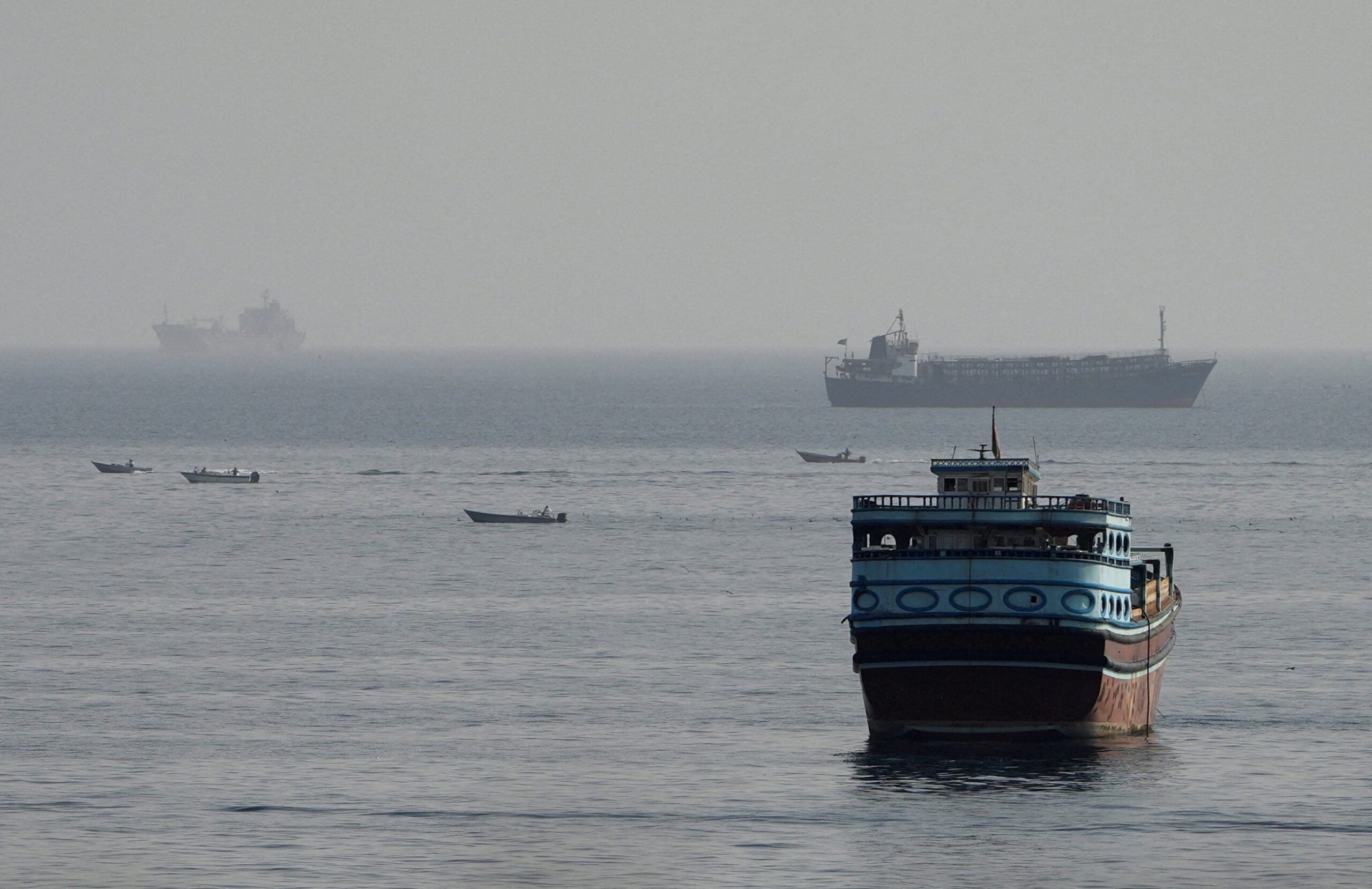
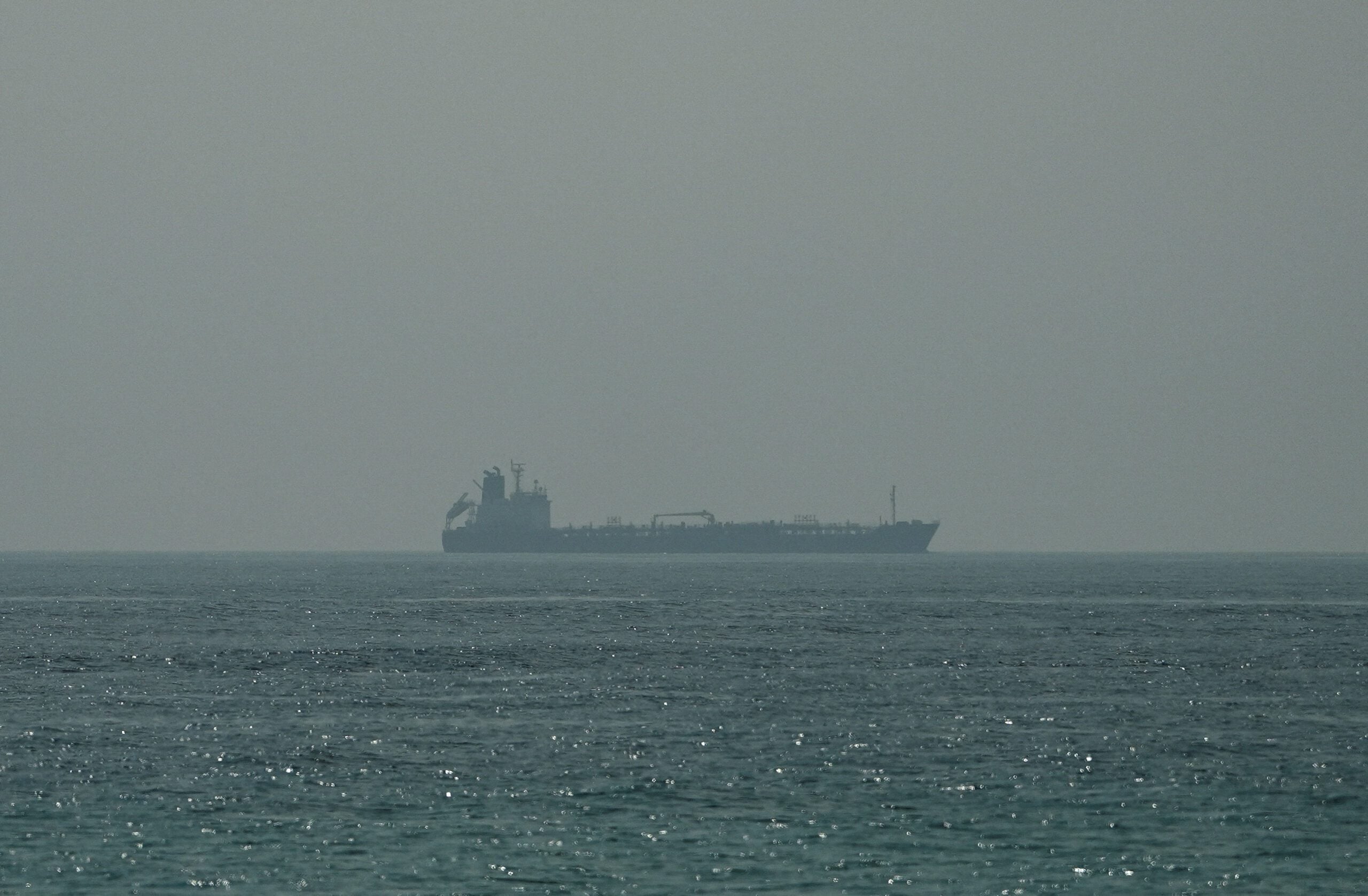
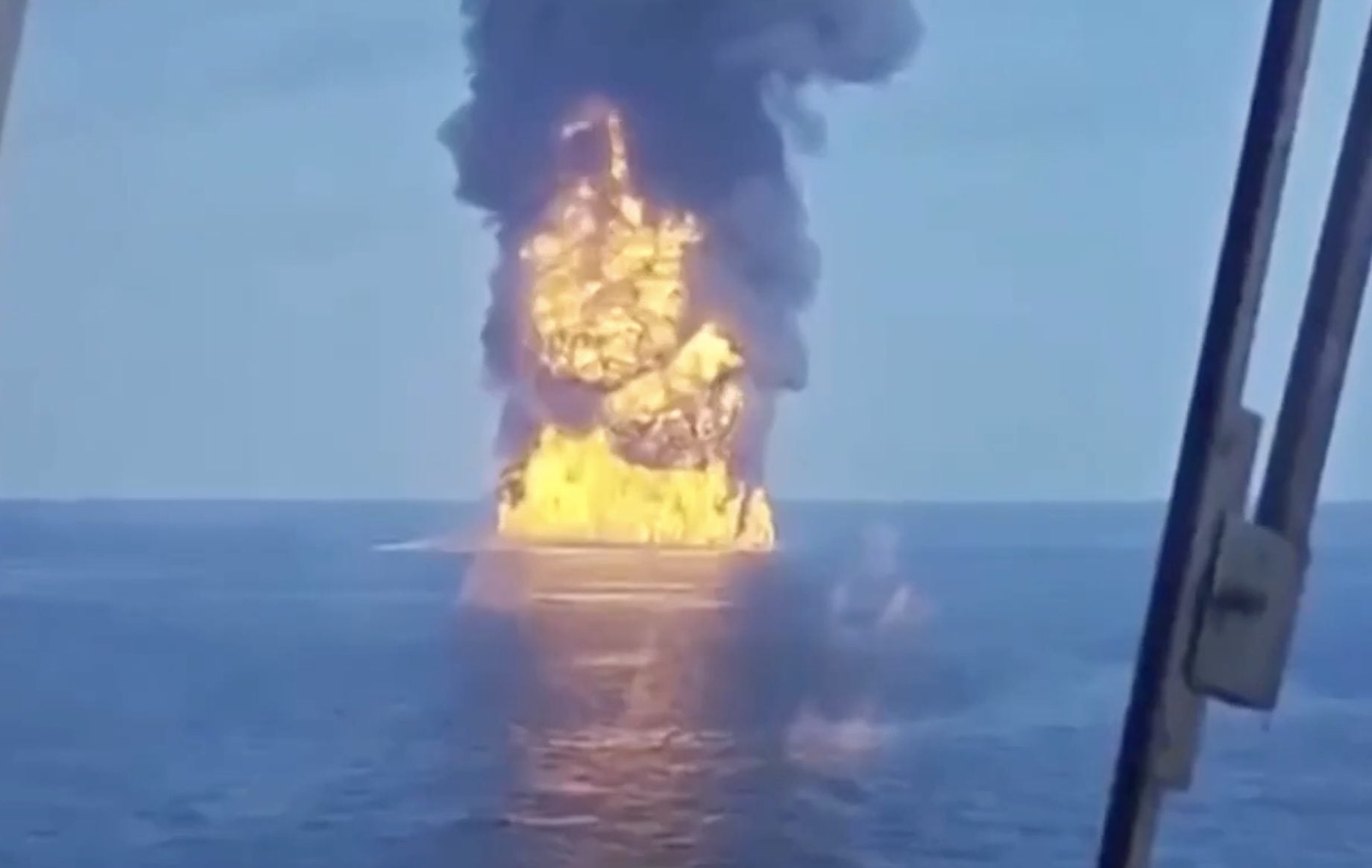
Another tanker was struck by a projectile and caught fire in the Strait of Hormuz on Friday, extending a wave of attacks on commercial shipping that has pushed maritime security incidents to their highest weekly level since mid-October.
The latest incident occurred at approximately 1500 UTC, eight nautical miles north of Khasab, Oman, according to UK Maritime Trade Operations (UKMTO) Warning 214-26.
The tanker was transiting outbound through the strategic waterway when an unknown projectile struck its port bow, sparking a fire onboard. The vessel’s company security officer reported no casualties or environmental impact. Authorities are investigating.
The attack comes amid a sharp escalation in threats to merchant shipping across the Middle East and Black Sea.
According to maritime security analyst Martin Kelly of Orbital Risk Intelligence, shipping experienced 15 attacks and piracy-related incidents over the past seven days, a 50% increase from the previous week and the highest weekly total since mid-October.
In the Persian Gulf, Strait of Hormuz and Gulf of Oman, Kelly recorded seven strikes involving six vessels. Four tankers were hit within 13 nautical miles of Khasab over three days, including the LPG tanker TARA GAS, which was attacked twice.
The violence has left two seafarers missing and 13 injured, according to Kelly’s assessment.
Among the most serious incidents was the November 17 attack on the tanker NAVIG8 MESSI, which suffered a fire after being struck 13 nautical miles north of Khasab. ADNOC confirmed that one crew member was missing and 11 others were injured. The remaining crew were evacuated and the vessel was reported under tow.
The TARA GAS, meanwhile, was disabled by a projectile strike on November 16 before being hit again the following day, resulting in another fire and the vessel being abandoned.
The pattern points to an increasingly dangerous concentration of attacks along the southern shipping lanes off Oman’s Musandam Peninsula, particularly against tankers attempting to leave the Persian Gulf.
Hormuz Traffic Remains 65% Below Prewar Levels
The deteriorating security situation is taking a continued toll on commercial traffic.
In its weekly maritime security overview published Friday, UKMTO reported 115 outbound and 148 inbound transits over the preceding seven days, down from 139 outbound and 169 inbound crossings the previous week.
Combined traffic remains approximately 65% below pre-conflict levels.
UKMTO recorded six verified attacks across the Strait of Hormuz and Persian Gulf during its latest reporting period, which covered incidents through November 18. Four occurred in the Strait itself and two in the wider Persian Gulf. Two vessels required assistance, while the outcomes of four others remained unknown.
The agency cautioned that its figures do not capture every incident, as some reports cannot be independently verified.
Since the U.S.-Iran ceasefire agreement expired on August 17, UKMTO has recorded six total vessel losses, while 22 vessels required assistance and 31 were confirmed to have continued their voyages.
The Joint Maritime Information Center (JMIC) continues to assess the threat to commercial shipping in the Strait of Hormuz as SEVERE, warning that further deliberate attacks are highly likely.
Black Sea Attacks Add to Growing Toll
The surge in maritime violence extends well beyond the Middle East.
Six commercial vessels were struck in the western Black Sea over the past week, according to Kelly, including two ships that sank in Bulgaria’s exclusive economic zone on consecutive days.
The general cargo ship BETUL 8 sank on November 16, followed by the LPG tanker GAS HUSKY on November 17. All 31 seafarers aboard the two vessels were rescued.
Maritime security firm Ambrey separately confirmed reports of six vessels struck since November 13, including four attacked near the Sulina anchorage in Romanian waters and two in Bulgarian waters. Ambrey assessed the attacks as part of an escalating Russian campaign involving unmanned aerial and surface vessels.
The incidents have raised growing concerns about the safety of commercial shipping in waters adjacent to NATO member states Romania and Bulgaria.
Piracy Threat Resurfaces
Piracy-related activity has also increased in the Gulf of Aden and western Indian Ocean.
During the week, a tanker reported being approached by an armed skiff carrying a ladder approximately 430 nautical miles east of Socotra, Yemen. In another incident off Al Mukalla, armed guards aboard a cargo vessel fired a warning shot to repel an attempted boarding.
A further incident was reported Friday, when six armed men aboard a skiff fired four shots at an eastbound bulk carrier approximately 95 nautical miles southwest of Al Mukalla. The ship’s security team returned warning shots, forcing the attackers to retreat. No injuries or damage were reported.
The incidents underscore the growing range of threats facing merchant vessels, from projectile and drone attacks in active conflict zones to renewed piracy activity along established trading routes.
With attacks concentrated around the Strait of Hormuz and the western Black Sea, maritime security analysts warn that the coming week could bring further strikes against commercial vessels.

 Join The Club