(Bloomberg) — Turkey, a key US ally and Iran’s third-largest trading partner, is at risk of losing a key energy supplier if Washington makes good on a threat to economically isolate Tehran.
US warnings against any country doing business with Iran raise questions over how Ankara would navigate the potential severing of ties with one of its biggest natural gas suppliers — something it didn’t do even when targeted by four Iranian missiles in the early weeks of the conflict.
Turkey sourced about 13% of its natural gas imports from Iran last year, equivalent to 7.7 billion cubic meters, according to data from the energy regulator in Ankara. That made Iran its fourth-largest supplier after Russia, Azerbaijan and the US.
Gas flows continued after the start of US and Israeli airstrikes on the Islamic Republic in late February, aside from a brief interruption following an attack on the giant South Pars gas field, Bloomberg News reported at the time.
Bilateral trade remained robust at about $3.1 billion in the first half of the year, down 3% from the previous year, while Iranian visitor numbers recovered from an initial drop to account for 5.5% of Turkey’s foreign arrivals in the first seven months of the year.
Treasury Secretary Scott Bessent said Monday that any country that continues to do business with Iran after an unspecified set time period can expect economic punishment from Washington, and that President Donald Trump is calling relevant world leaders with specific requests.
That implies a call from the White House to Turkish President Recep Tayyip Erdogan, with whom Trump is on good terms. At last month’s NATO summit in Ankara, the US president showered his host with praise, calling him much more “loyal” than other countries. The pair spoke by phone a week ago, according to Turkey’s state-run Anadolu Agency.
Erdogan is unlikely to want to anger Trump as Turkey tries to offload Russian air-defense equipment to pave the way for talks over the purchase of US-made F-35 fighter jets. He’s also seeking a return to the consortium producing fifth-generation jets and to buy F-16 fighters, and is due to visit Washington next month.
“Erdogan would not do anything to upset Trump and jeopardize improving ties with Washington in the run-up to elections in less than two years,” Nihat Ali Ozcan, a strategist with Ankara-based think tank TEPAV, said on Tuesday. “Ankara would clearly side with Washington, even if it is forced to secure more expensive energy supplies elsewhere before winter.”
The US and Turkey have clashed publicly over Iran with regards to a long-running criminal case against Turkish state-owned lender Turkiye Halk Bankasi AS over alleged sanctions violations. In a sign of improving US-Turkey ties, the Justice Department in June asked a judge to drop the case.
Gas Deal
Turkey has continued to import Iranian gas even after a 25-year contract for 9.5 billion cubic meters a year expired at the end of July, according to people familiar with the matter.
The additional volume is so-called ‘make-up gas’ that compensates for supply that was paid for but not delivered during the agreement, the people said.
Iran said in 2024 that negotiations were underway for a replacement deal, potentially for increased volume. But Turkey’s Energy Minister Alparslan Bayraktar said in April that no talks were taking place due to the war, adding that Ankara “might need this gas pipeline or the gas flow from Iran for security of supply.”
Turkey’s Energy Ministry declined to comment on Tuesday and Iran’s Iran’s Oil Ministry hasn’t responded to multiple requests for comment.
The US launch of what Bessent called “operation economic outcast” is an effort to close off options to Iran other than accept total global isolation or agree acceptable terms with Washington to end the six-month war. The extent of the sanction plans remains unclear.
The move comes after months of stalemate in the conflict, during which Tehran has asserted control over the critical Strait of Hormuz waterway and the US has blockaded Iranian ports, severely curtailing oil exports.
Neither side has shown a willingness to return to the all-out fighting that characterized the first six weeks of the war. They’ve also failed to make significant headway with diplomacy mediated by Pakistan and Qatar.
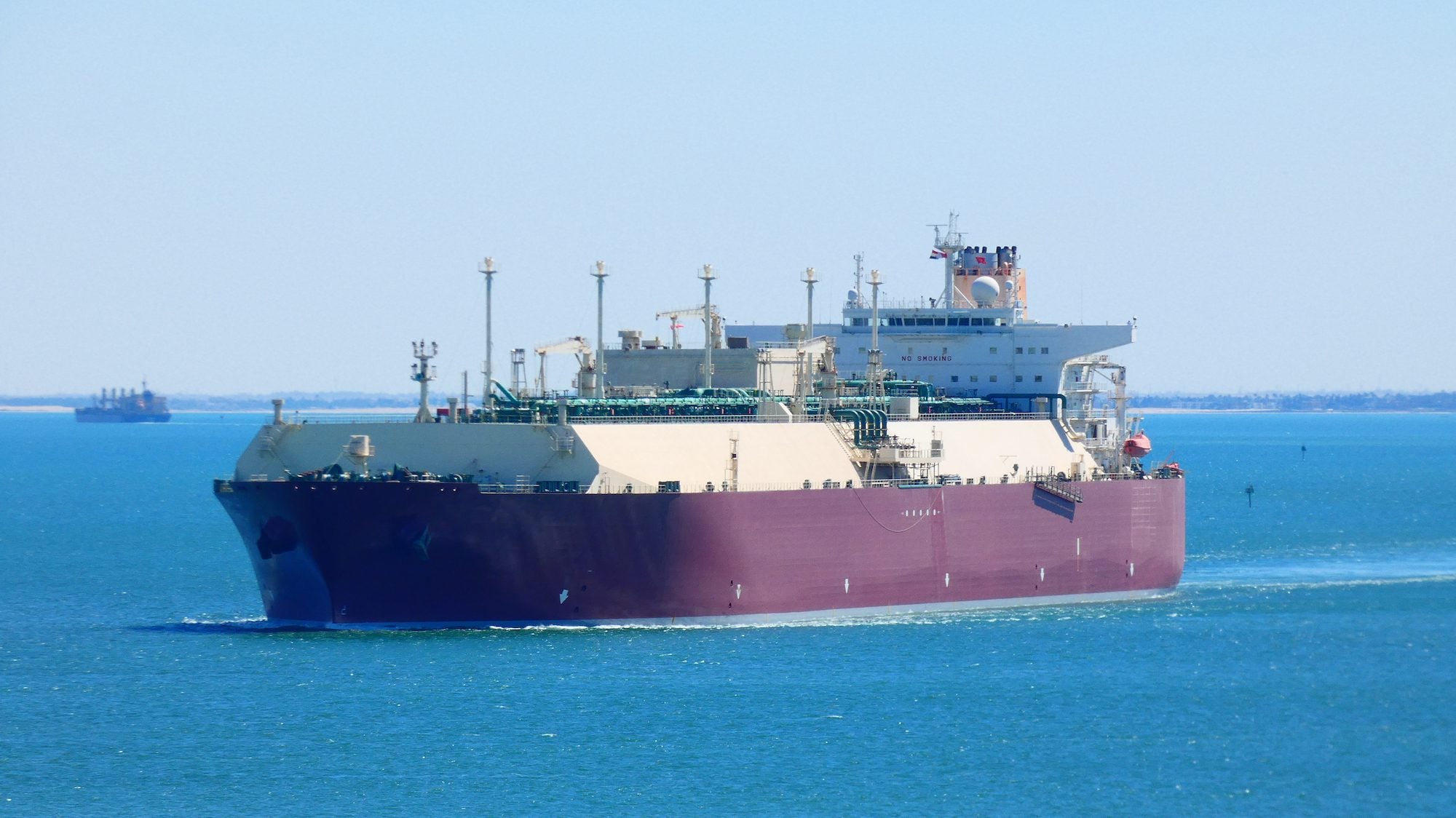
If forced to reduce gas imports from Iran, Turkey could offset the loss with increased liquefied natural gas imports – including from the US.
Turkey has increasingly sought to diversify its sources of supply in recent years with a string of new pipeline and LNG contracts, as well as boosting domestic production to cut its reliance on imports.
Energy Minister Bayraktar said in August that storage sites are full.
Turkey is ramping up domestic production from its Sakarya offshore gas field in the Black Sea and is scheduled to start receiving additional supplies from Azerbaijan starting in 2029.
© 2026 Bloomberg L.P.

 Join The Club