By Jennifer A. Dlouhy and Skylar Woodhouse (Bloomberg) — Treasury Secretary Scott Bessent said a US insurance program meant to boost shipping through the Strait of Hormuz will begin soon, a move that may help revive flows of much of the world’s oil and gas supplies.
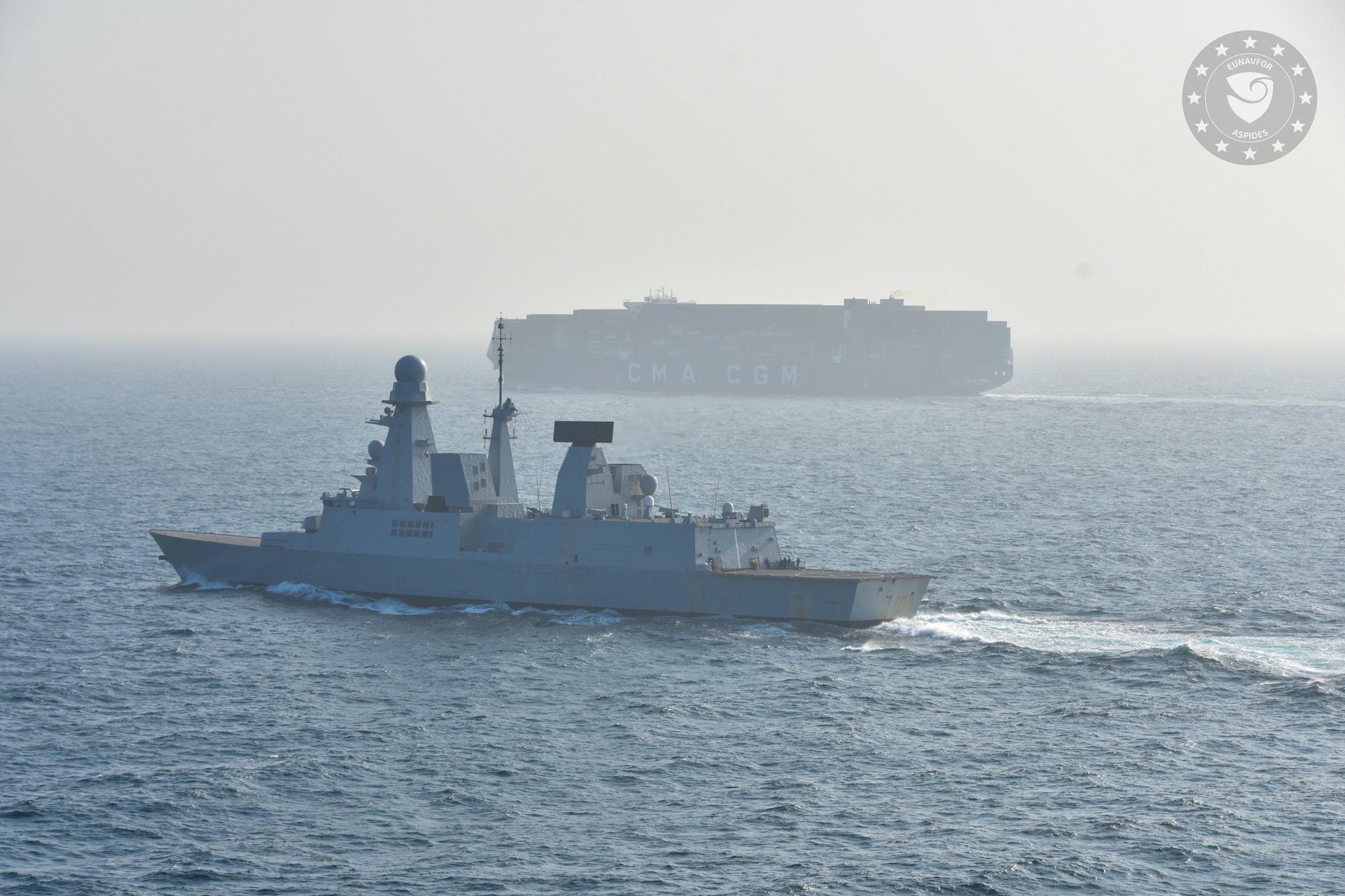
Bessent’s predictions, delivered Thursday during a meeting of President Donald Trump’s cabinet at the White House, come weeks after the president first announced the US International Development Finance Corporation would provide insurance guarantees with naval escorts to help ensure safe passage for oil tankers and other vessels through the strait.
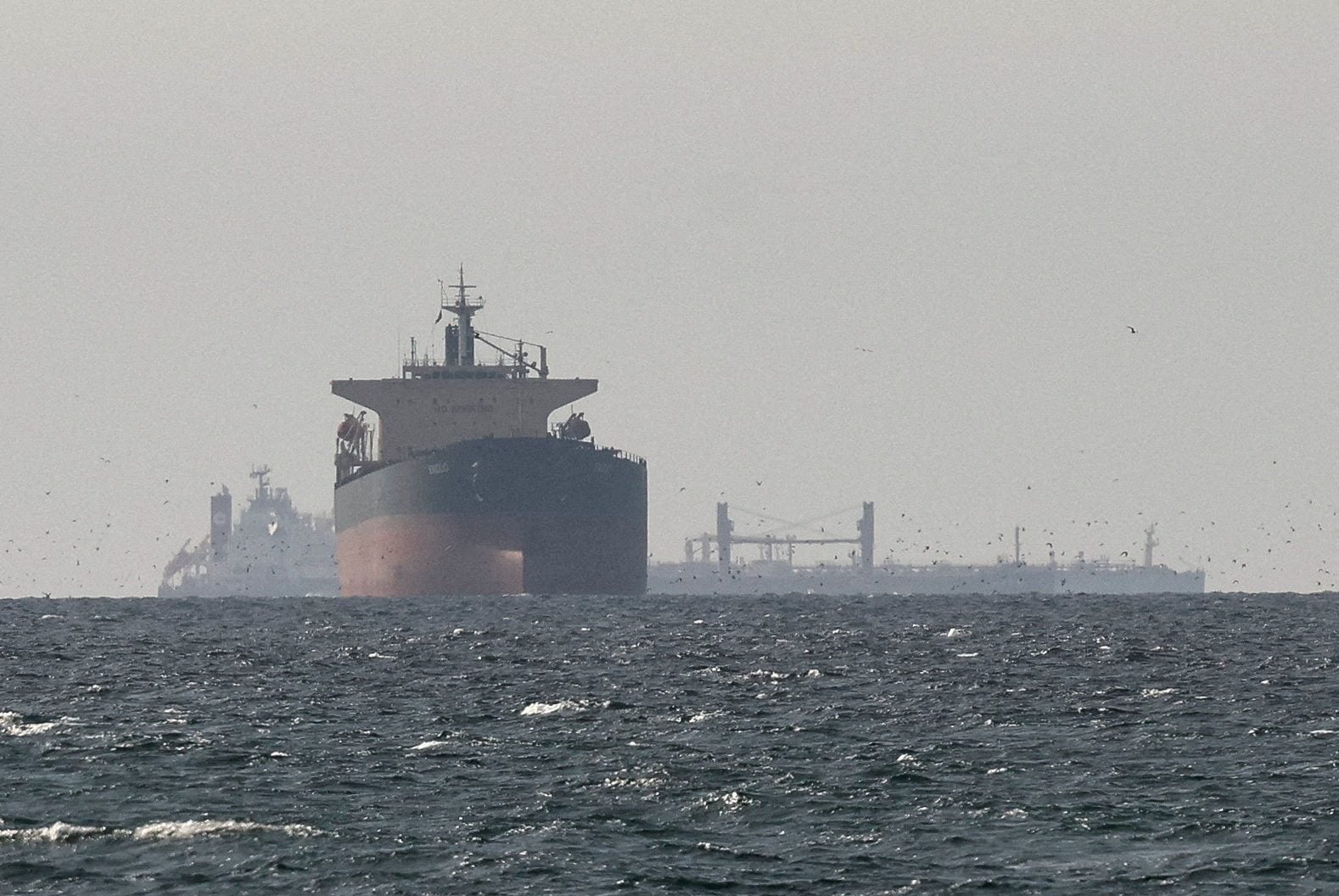
Although the program was first unveiled March 3, there’s no evidence that any vessels benefiting from the initiative have passed through the strait, a chokepoint for roughly a fifth of global oil and gas flows.
“The oil market is well-supplied. We’ve taken actions to ensure that oil supplies stranded at sea are made available to the global market,” Bessent said. “Your bold actions, like the Development Finance Corporation’s maritime reinsurance program, in conjunction with Central Command, will soon provide shippers through the Gulf region with a level of security we have never seen before.”
Bessent’s remarks were delivered amid increasing concern about spiking oil and gas prices during the Iran war — and the threat that energy supply shocks will endure even once conflict ends. Trump’s now-postponed threat to hit power plants in Iran was met by the Islamic Republic’s vow that, in response, it would close the Strait of Hormuz “completely” and target regional energy facilities.
Though Trump said Thursday that Tehran allowed 10 tankers to sail through the strait, commercial vessels have largely avoided crossing the waterway since the war began on Feb. 28. Attacks by Iran have also damaged refining and gas processing infrastructure in the region, taking some supply offline and further complicating the chances for a swift resolution.
Insuring vessels is still possible, albeit at a very high cost. The Lloyd’s of London insurance market will continue to provide cover for ships traveling through the waterway, according to Chief Executive Officer Patrick Tiernan. That suggests it’s the threat of lethal military strikes from Iran, rather than a lack of insurance, that’s the primary obstacle to ships navigating the strait.
Bessent argued that tanker traffic in the Gulf region is starting to pick up — and will only increase in the coming days.
“We are starting to see more and more movement in and out of the Gulf today — and this is more than yesterday, and this is the beginning,” he said. “I am confident that shipping traffic will continue to increase on a daily basis even before we secure the straits.”
Escalating oil and gasoline prices threaten to obliterate some of Trump’s economic gains from his first year back in the White House — and create a political drag on Republicans seeking to keep control of the House and Senate during the November midterm elections.
But Bessent argued the US economy is better able to withstand short-term energy disruption thanks to Trump’s policies that have encouraged more domestic oil and gas production. And even so, he said, Americans are willing to accept the trade-off of higher prices in the short term if it means longer-term stability.
“Many people underestimate the will of the American people for short-term volatility for 50 years of safety that we are going to have on the other side of this,” Bessent said.
The Trump administration has already taken action to blunt prices and address some concerns about oil supply. That includes issuing a waiver of maritime restrictions that limit the transport of cargo between US ports to American-built, -flagged and -owned ships, and releasing millions of barrels of crude from the country’s emergency stockpile.
Other options have been under review. Trump on Thursday said one includes suspending the federal gasoline tax — a move that generally would require congressional action. “The gas tax, people have talked about it,” Trump said. “It’s something we have in our pocket if we think it’s necessary.”
Another option, Trump said, is simply taking control of Iran’s oil. While Trump didn’t provide details Thursday, that could be a reference to seizing or occupying Kharg Island, a hub for Iranian oil output.
© 2026 Bloomberg L.P.
Editorial Standards · Corrections · About gCaptain

 Join The Club