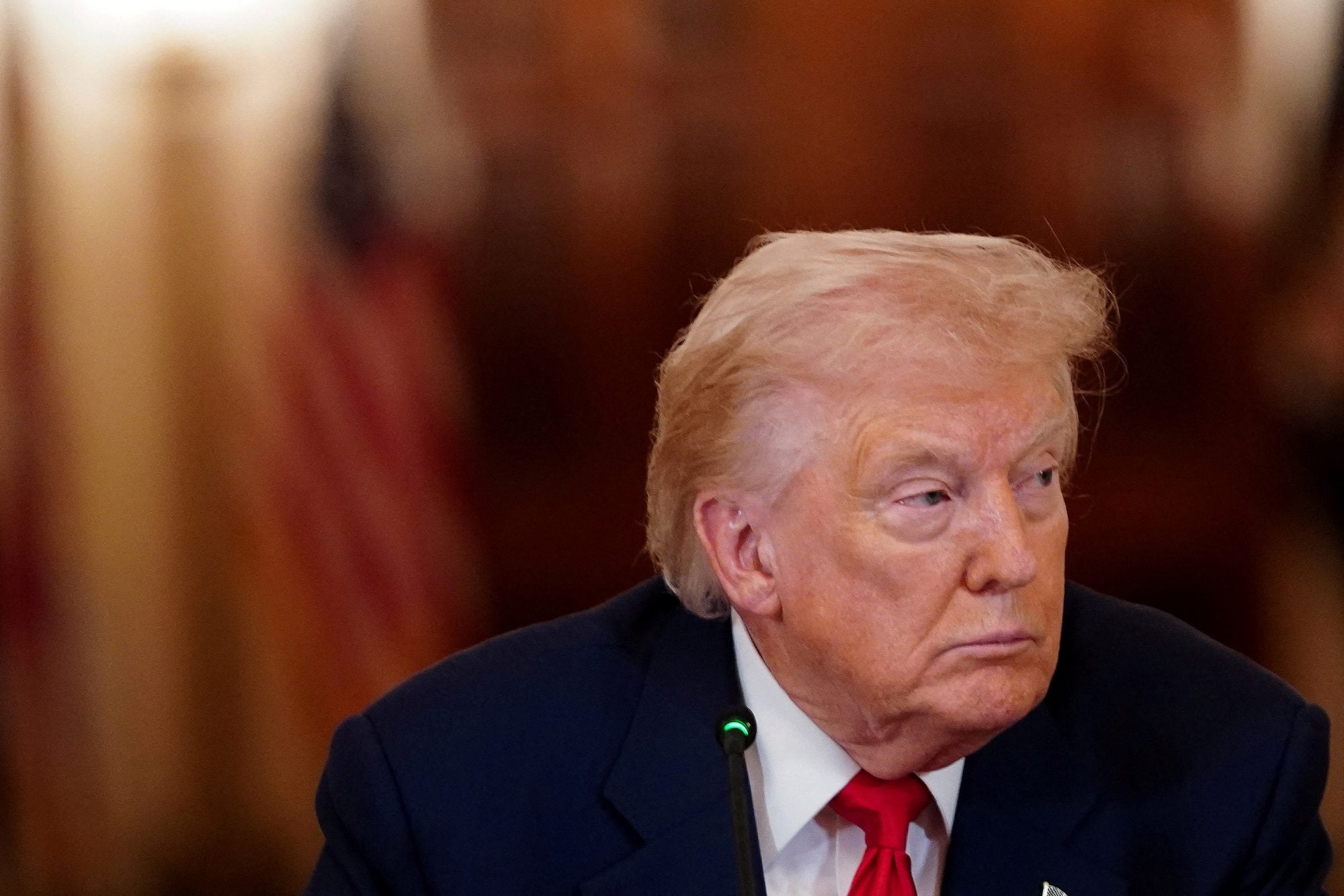
U.S. President Donald Trump on Monday escalated his rhetoric on the Iran conflict, claiming the U.S. is “winning… by a lot” while signaling that Washington has no intention of easing its maritime blockade until Tehran agrees to a deal.
In a series of posts on Truth Social, Trump framed the blockade not only as a military success but as an economic one, asserting that it is “destroying Iran” and costing the country hundreds of millions of dollars per day. He also claimed Iranian actions were “forcing hundreds of ships” toward U.S. oil ports in Texas, Louisiana, and Alaska, reflecting shifting global crude flows.
The comments come at a critical moment in the crisis, as both diplomacy and maritime security conditions deteriorate simultaneously.
Trump’s remarks seem to reinforce the idea he U.S. blockade is not being treated as a short-term wartime tactic, but as a primary lever in negotiations. The administration has made clear in recent days that enforcement will continue until a deal is reached, even as ceasefire conditions remain fragile.
That stance is now colliding directly with diplomatic efforts. According to Reuters reporting, Iran is “positively reviewing” participation in potential peace talks in Pakistan, but has warned that continued U.S. enforcement actions—including the blockade and recent vessel seizures—remain major obstacles to progress.
However, Iran’s parliament speaker, Mohammad Baqer Qalibaf, released a statement accusing Trump of “imposing a siege and violating the ceasefire.”
“We do not accept negotiations under the shadow of threats,” He said.
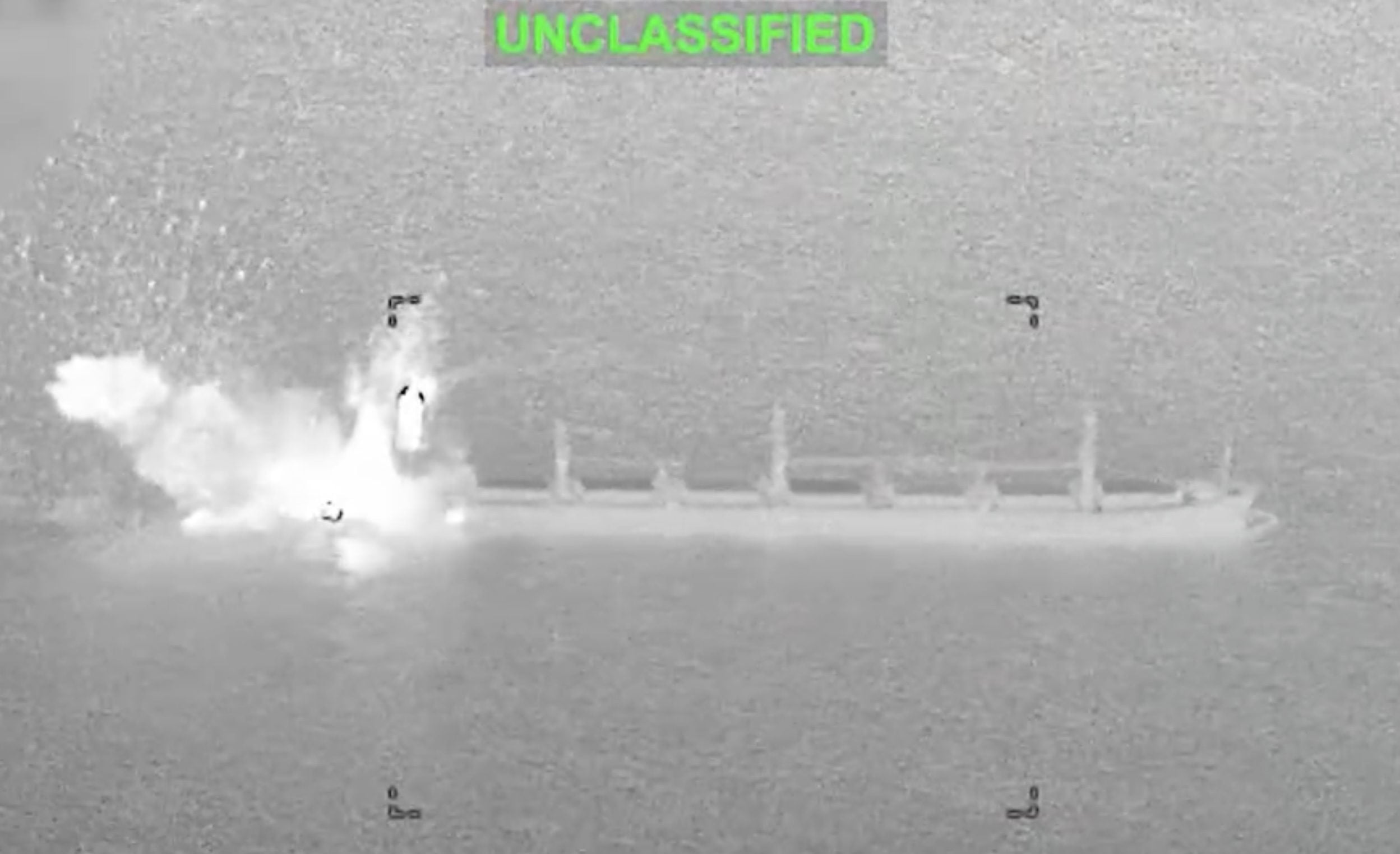
The U.S. military’s seizure of an Iranian-linked cargo vessel over the weekend marked the most aggressive enforcement action since the blockade began, underscoring a shift from deterrence to direct interdiction.
At the same time, Iran has reasserted control over transit through the Strait of Hormuz, tightening access and limiting commercial movement despite earlier claims of reopening.
Trump’s recent comments suggest the administration may be positioning for a deal, pairing claims of military and economic dominance with renewed references to the 2015 nuclear agreement. The framing echoes his decision to withdraw from the pact during his first term, a move that was followed by a sharp escalation in U.S.–Iran tensions, including a series of tanker attacks and maritime security incidents in the Persian Gulf.
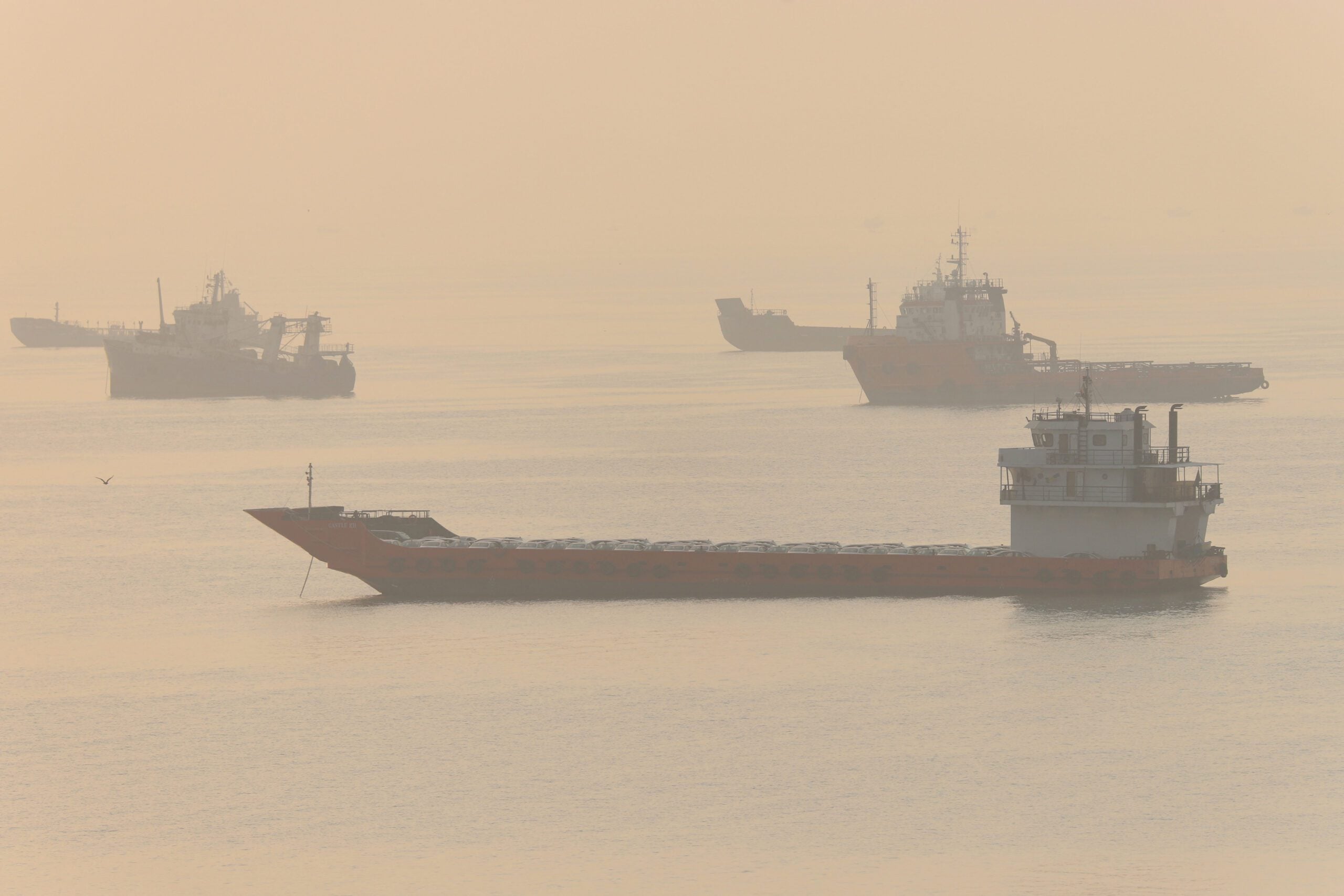
Even as political messaging suggests progress, actual vessel movement remains severely constrained. Oil and LNG flows through the strait—normally one of the world’s most critical energy corridors—are still disrupted, with recovery expected to take weeks or longer even under favorable conditions.
Trump’s claim that ships are being “forced” toward U.S. oil ports points to a real, if more nuanced, market shift. As Gulf exports face disruption, buyers are increasingly turning to alternative suppliers, including U.S. crude.
That shift is lengthening trade routes, increasing tonne-mile demand, and tightening tanker availability—key dynamics already visible in freight markets.
With the two-week ceasefire set to expire later this week, the gap between political rhetoric and operational reality appears to be widening.
Iran has signaled that it will not proceed with talks unless the blockade is lifted, while Washington continues to frame that same blockade as its most effective pressure tool.
Meanwhile, attacks on commercial vessels have resumed, enforcement actions are intensifying, and shipping traffic through the strait remains near a standstill.

 Join The Club