President Donald Trump on Wednesday warned of overwhelming U.S. retaliation against Iran if attacks on Qatar’s energy infrastructure continue, following a major escalation that has already disrupted global LNG markets.
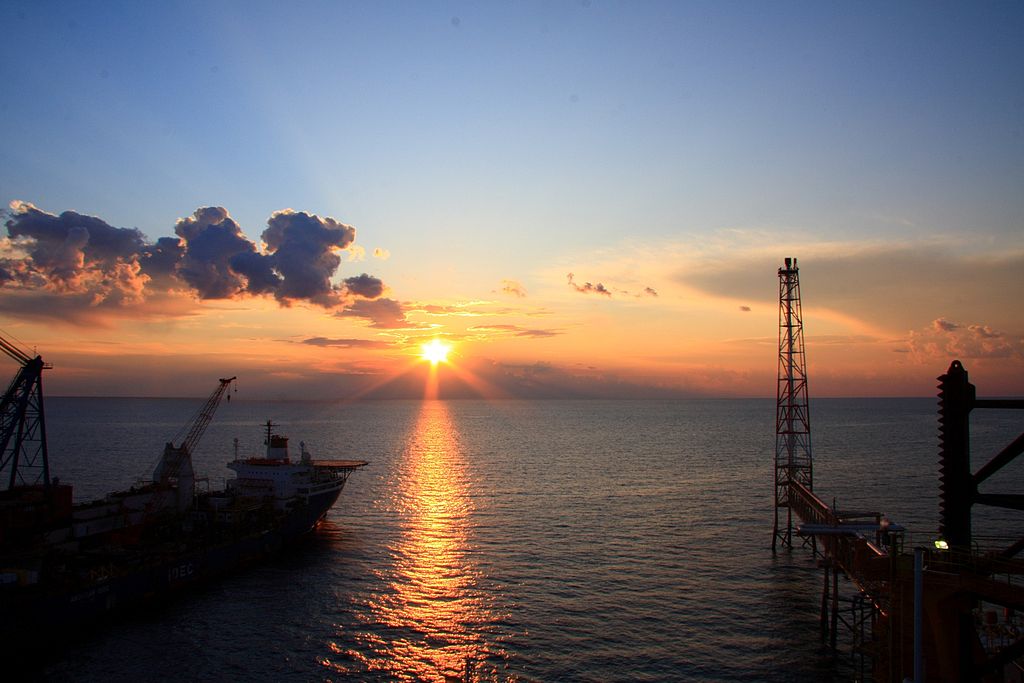
In a Truth Social post, Trump said Israel had struck Iran’s South Pars gas field without U.S. involvement, and claimed Iran—acting on incomplete information—retaliated by targeting Qatar-linked gas infrastructure. He warned that any further attacks on Qatar’s LNG facilities would prompt the United States to respond with force, including the potential destruction of Iran’s South Pars field.
“The United States knew nothing about this particular attack… Iran did not know this… and unjustifiably and unfairly attacked a portion of Qatar’s LNG gas facility,” Trump posted.
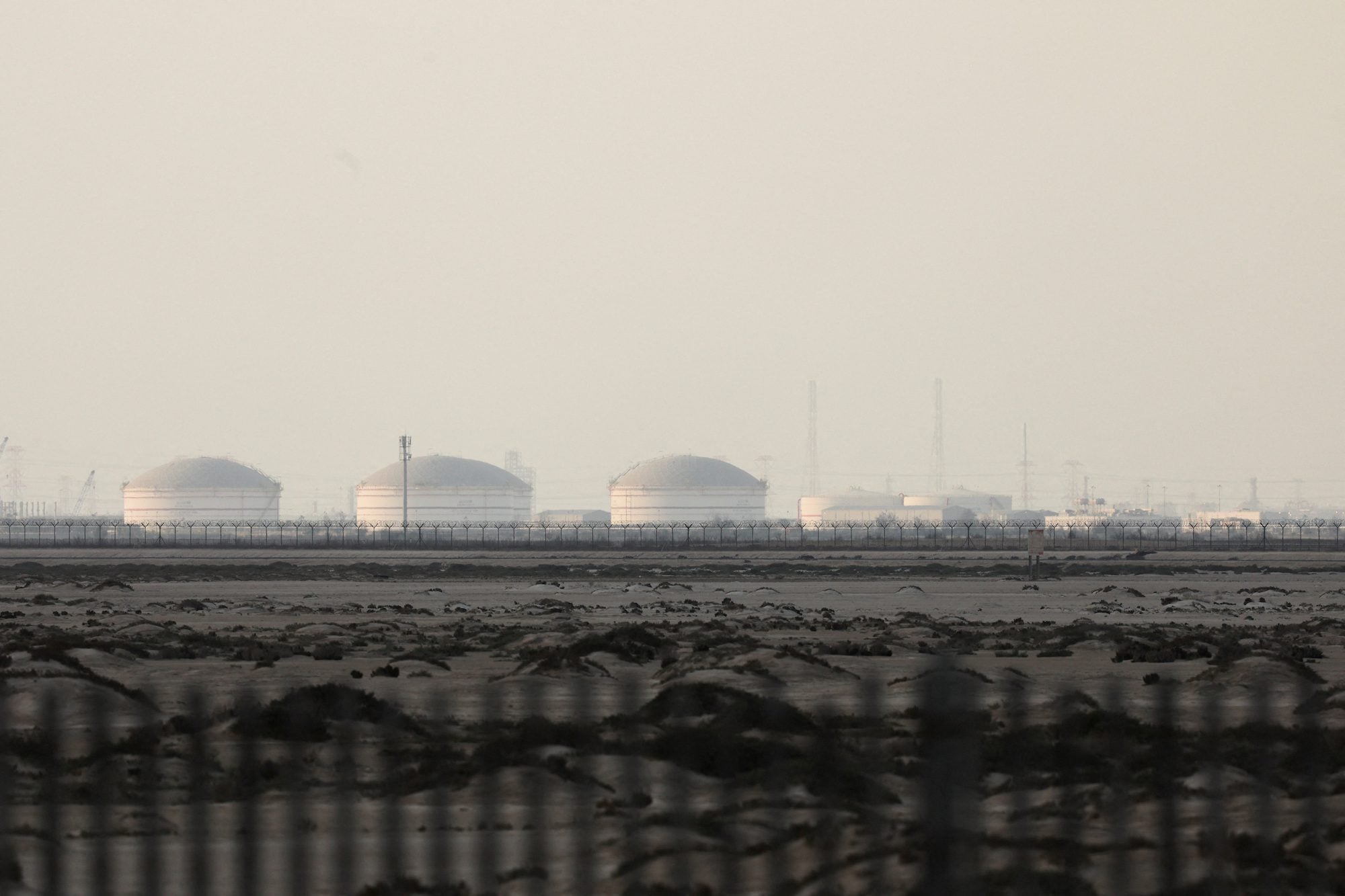
The statement came hours after Qatar confirmed “extensive damage” at Ras Laffan Industrial City, home to the world’s largest LNG export complex. The facility, which accounts for roughly 20% of global LNG supply, was struck by an Iranian missile following earlier threats against Gulf energy infrastructure.
QatarEnergy said personnel had been evacuated prior to the strike, with no reported casualties, though production was already halted following a prior drone attack. The government condemned the incident as a “flagrant violation” of sovereignty and ordered Iranian officials to leave the country.
“If Qatar’s LNG is again attacked, I will not hesitate… [the U.S.] will massively blow up the entirety of the South Pars Gas Field… at a level of strength and power that Iran has never seen,” Trump’s post said.
The escalation marks a significant turning point in the widening U.S.–Israel–Iran conflict, with energy infrastructure now directly in the crosshairs. Markets reacted swiftly, with Brent crude jumping as much as 8% above $110 per barrel.
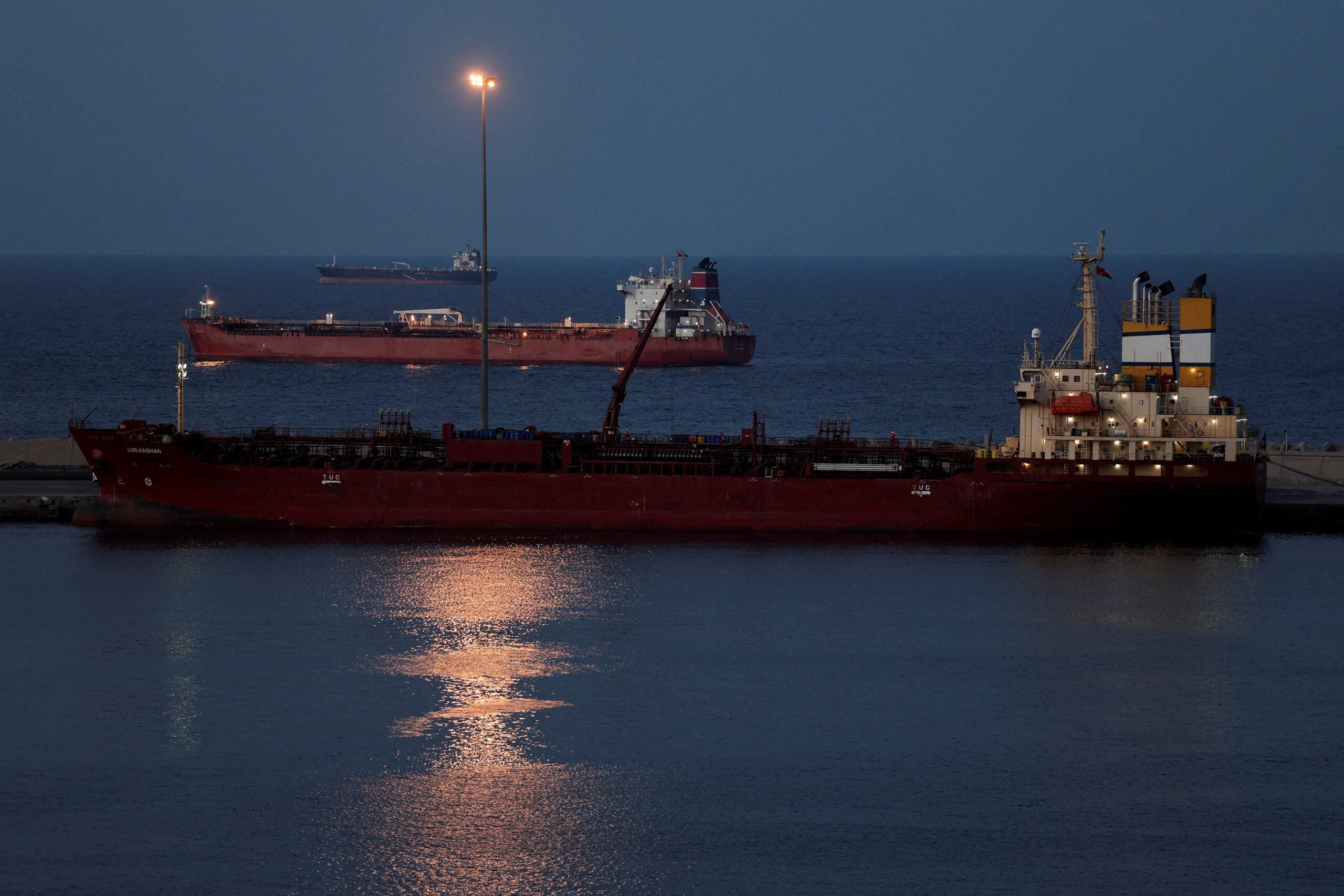
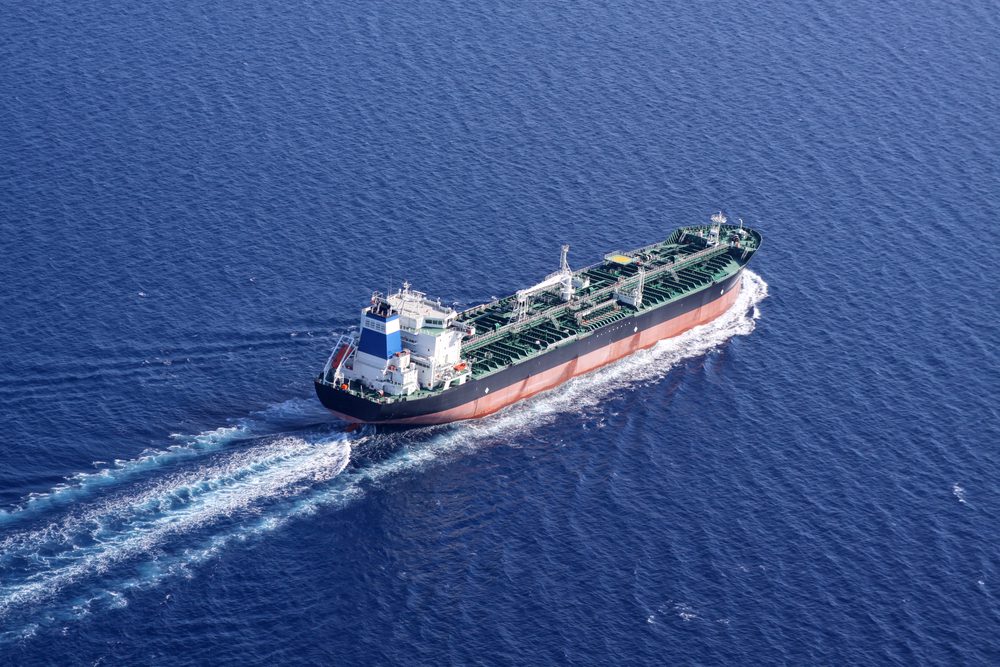
For shipping, the implications are immediate. Ras Laffan’s shutdown and ongoing security threats in the Strait of Hormuz have effectively choked off a critical artery for oil and LNG exports, forcing buyers in Asia and Europe to scramble for alternative supply.
With global gas flows disrupted and military rhetoric intensifying, attention is now shifting to whether further strikes—or U.S. retaliation—could trigger a broader shutdown of Gulf energy exports and a prolonged shock to maritime trade.
Editorial Standards · Corrections · About gCaptain

 Join The Club