LONDON, May 27 (Reuters) – Dubai-based GMS has won U.S. government approval to scrap four container ships that were under Iran-related sanctions, potentially paving the way for Washington to reduce the shadow fleet of such vessels, the leading ship recycler’s CEO said.
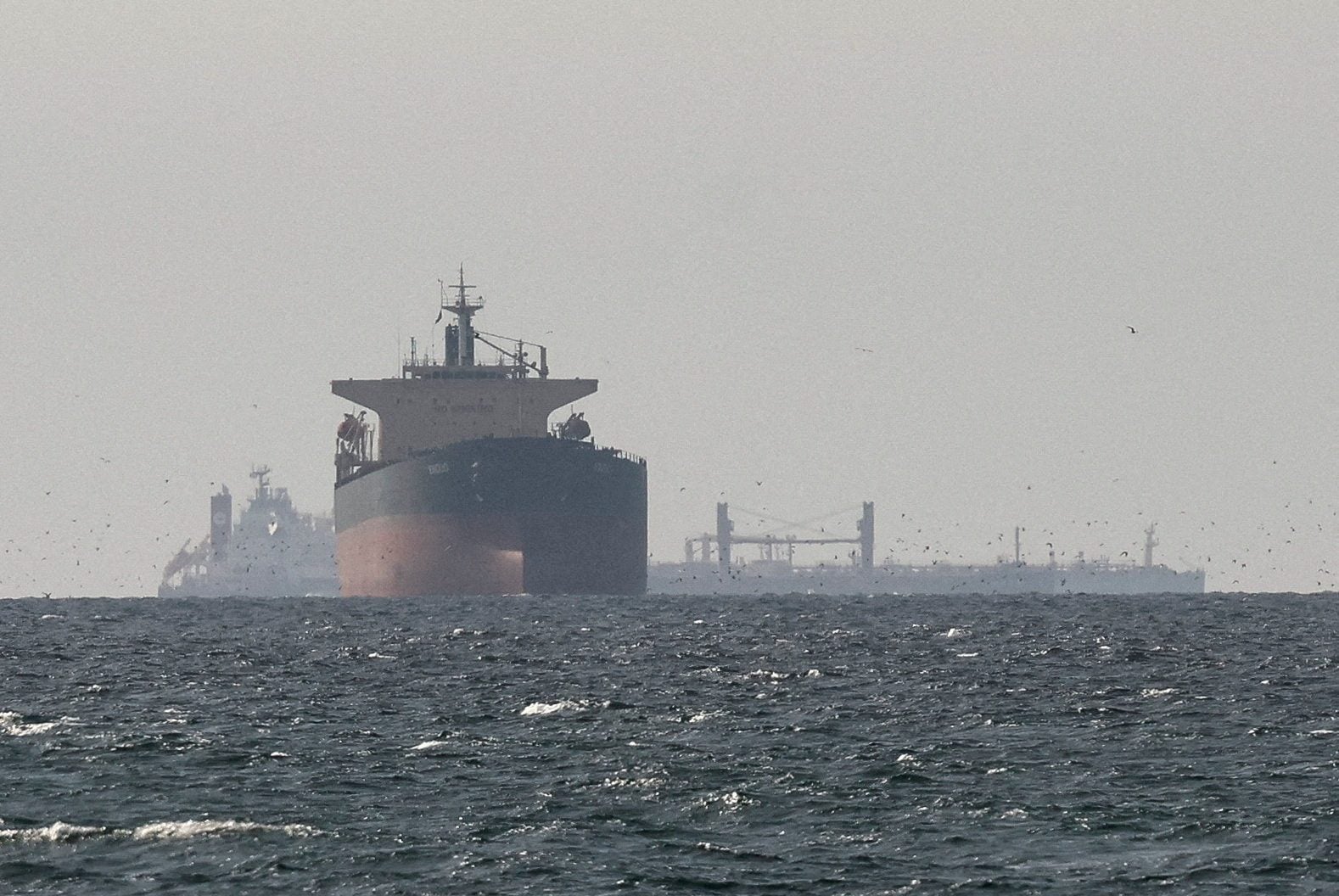
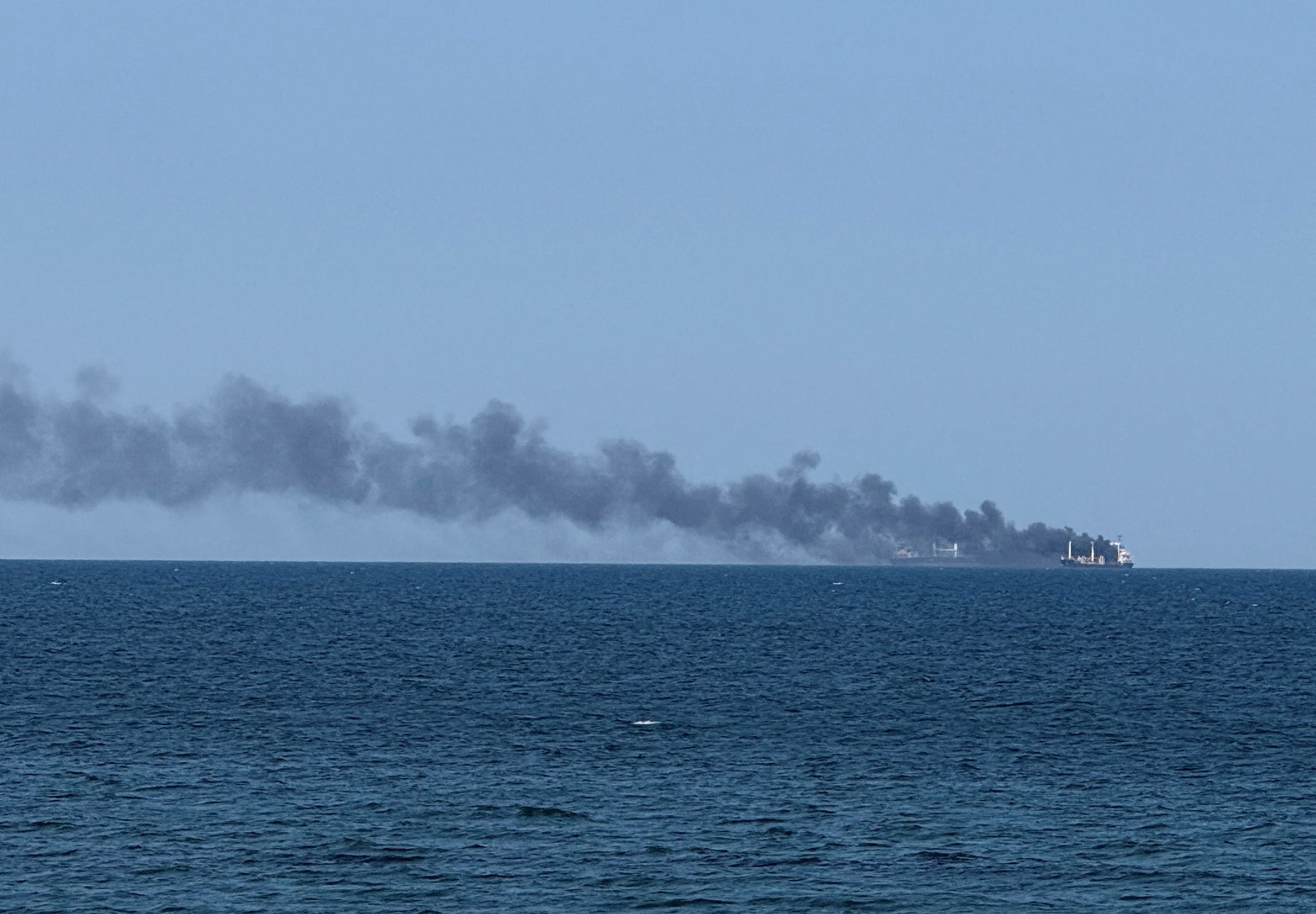
Hundreds of ships with no known insurance or compliance with environmental safety standards have not only helped Iran and Russia circumvent sanctions, but also posed a threat of oil spills and fuel leaks in busy sea lanes.
An approved mechanism for scrapping such vessels offers an incentive to take them out of circulation, helping reduce environmental risks and better contain trade in sanctioned crude and goods.
GMS, which buys ships and then disposes of them through regulated recycling yards especially in Asia, had been in discussions with U.S. authorities for months about taking over ships hit with sanctions, Anil Sharma, GMS’s founder and CEO, told Reuters this week.
“These are ships that are moving from a rule-based regime to a non-rule-based which is creating a big problem for everyone while they are trading,” Sharma said.
GMS bought the four ships from their unnamed seller, which it said was not affected by sanctions, after receiving permits from the U.S. Treasury, in its first transaction involving private sellers.
In 2019, GMS, which is incorporated in the United States, bought a North Korean-flagged bulk carrier, but that vessel was sold at public auction by the U.S. government for recycling.
Sanctions mean companies like GMS cannot generally deal with such vessels, which instead change hands with the help of shell companies and name changes to conceal their true ownership and identity.
Sharma said the U.S. authorities would not give “blanket licenses” and wanted to see the money flows and “proper reporting” to ensure the proceeds do not end up with sanctioned entities.
U.S. Treasury officials did not immediately respond to a request for comment.
The scrap value of such ships typically reaches tens of millions of dollars, depending on the type of vessel and its weight.
The four container ships now had crews and insurance to sail and were likely to be headed to India for recycling, GMS said.
Sharma said GMS was also targeting oil tankers hit by sanctions, but that business would only become feasible once the U.S.-Israeli war with Iran ended.
The conflict has kept hundreds of ships trapped in the Gulf region, while there was also no clarity on how many Iranian-linked commercial vessels have been damaged by U.S. and Israeli strikes, he said.
“The tanker market is so hot, so strong that most people don’t have the incentive to recycle yet.”
(Reporting by Jonathan Saul and Timothy GardnerEditing by Tomasz Janowski)
(c) Copyright Thomson Reuters 2026.

 Join The Club