Oct 9, 2026 (Bloomberg) –When hurricanes sweep through the Gulf of Mexico, oil companies can lose millions of dollars waiting for the all-clear to restart production. Shell Plc thinks a fleet of drones can help cut that wait.
The British energy giant has obtained a key US approval to become the first oil producer to use drones in offshore platforms. It’s a move Shell hopes will eventually help it restart production faster after major weather events,such as Hurricane Isaias, and save it tens of millions of dollars in coming years.
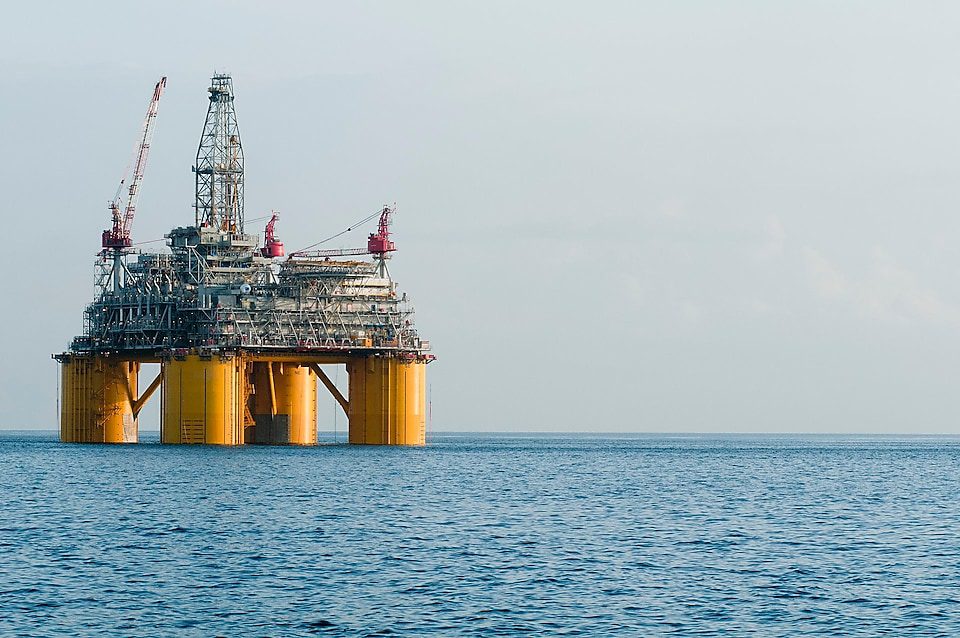
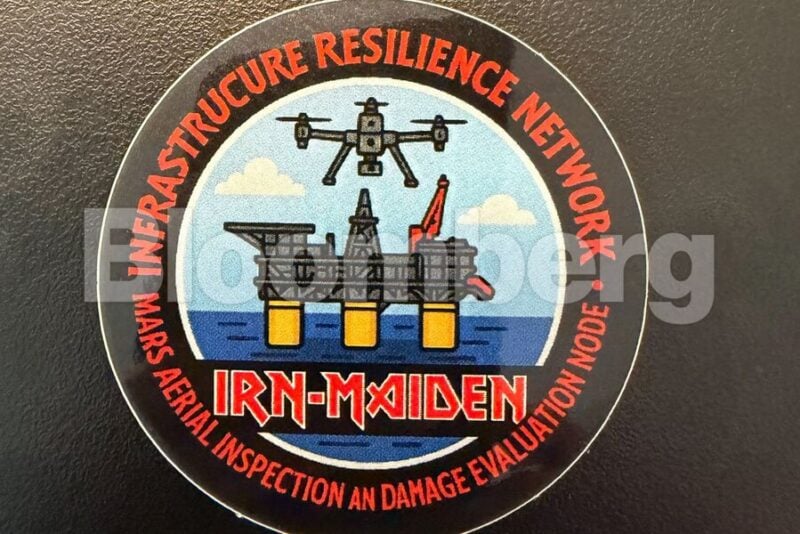
The company, the largest producer in the Gulf of Mexico, said the investment is “in the thousands” while it could save nearly $50 million over three years by opening the oil spigots a day sooner following powerful storms. The first drone of its IRN-Maiden project — sporting a logo styled after its namesake, the British heavy-metal band — is expected to be installed before the end of the year. The drone will be placed in one of the platforms of the Mars project, a deep-water oil and gas development in the Gulf, about 130 miles (209 kilometers) south of New Orleans.
Gearing back up after a hurricane is a timely issue. Hurricane Isaias, the first such storm in the Atlantic this year, is barreling toward the US Gulf Coast and was expected to make landfall late Friday or early Saturday. Roughly 63% of US Gulf of Mexico crude output has been shut in by early Friday, while nearly 500,000 barrels a day of refining capacity lies in or near the storm’s projected path. Several ports are also shutting ahead of the hurricane, disrupting seaborne crude deliveries.
Hurricanes, which are becoming more destructive as warming oceans fuel stronger storms, are among the biggest threats to oil production in the Gulf of Mexico. Platforms can remain shut for days or weeks after a storm passes, with crews unable to return until inspectors determine that conditions are safe. Winds exceeding 170 miles per hour and waves towering over offshore facilities can make those assessments particularly difficult.
Restarting an oil platform is a meticulous multi-step process, including flying a helicopter to assess if conditions are safe before sending people back in. Peering through long-range binoculars, the inspectors use cameras to capture photos and video and relay the footage back to Shell’s storm recovery center. This is a process that can take a whole day, including mobilizing inspectors, helicopters and wait time. Crews sometimes must hold off until the hurricane passes before they can get anything off land.
By using drones, the company hopes to save time by deploying the battery-powered gadgets straight from the platforms. The 2 1/2-foot-wide drones — roughly the size of two large pizzas, side-by-side — can fly over and around the football-field-size offshore facility using powerful lenses that can zoom in and out on command to check for leaks and damaged equipment while transmitting live reports to shore over Starlink, SpaceX’s satellite broadband.
While drones have been widely used to inspect refineries, pipelines, and chemical plants, their use in international waters, where offshore platforms are typically located, was limited due to a lack of specific regulation by the Federal Aviation Administration. Shell obtained an FAA waiver earlier this year, a process that took two years. The drones will be based in a hurricane-proof box.
“By the time any other operators got those helicopters or fixed wings out there, we’ve already probably done some incredibly detailed surveys of any damage and are always starting to plan what the next steps are,” said Ross Doak, senior robotics engineer leading the project.
Property insurers in the US have been using long-distance drones to assess storm damage since Hurricane Florence in 2018. Electric utilities have been using them even longer to inspect wind and solar sites and spot faulty equipment. Researchers at the US National Oceanic and Atmospheric Administration have also experimented with uncrewed aircraft and ocean vehicles to collect data for improving hurricane predictions, and Norway has been using drones in the North Sea.
Shell’s Chief Executive Officer Wael Sawan has been on a cost-cutting mission since taking the helm in 2023, aiming to reduce costs by $5 billion to $7 billion by the end of 2028.
Shell plans to roll out at least five more drones in the Gulf of Mexico in 2027 and is considering whether to expand the projects to other offshore assets in places like the North Sea and Africa.
South Korea's presidential office on Wednesday dismissed a Ukrainian report that Russia has imported petroleum products from South Korean ports, calling the accusation inappropriate.
Shareholders in the Shell Plc-led LNG Canada venture greenlit plans to double its liquefied natural gas export capacity, forging ahead with the multibillion-dollar investment as key customers in Asia face the biggest supply shock of recent times.
Shell SHEL.L and BP BP.L are seeking U.S. licenses to extract natural gas from fields in Trinidad and Tobago and Venezuela, the Caribbean country's energy minister Roodal Moonilal said on Wednesday.
January 28, 2026
Total Views: 700
Get The Industry’s Go-To News
Subscribe to gCaptain Daily and stay informed with the latest global maritime and offshore news
— just like 106,969 professionals
Secure Your Spot
on the gCaptain Crew
Stay informed with the latest maritime and offshore news, delivered daily straight to your inbox
— trusted by our 106,969 members
Your Gateway to the Maritime World!
Essential news coupled with the finest maritime content sourced from across the globe.

 Join The Club