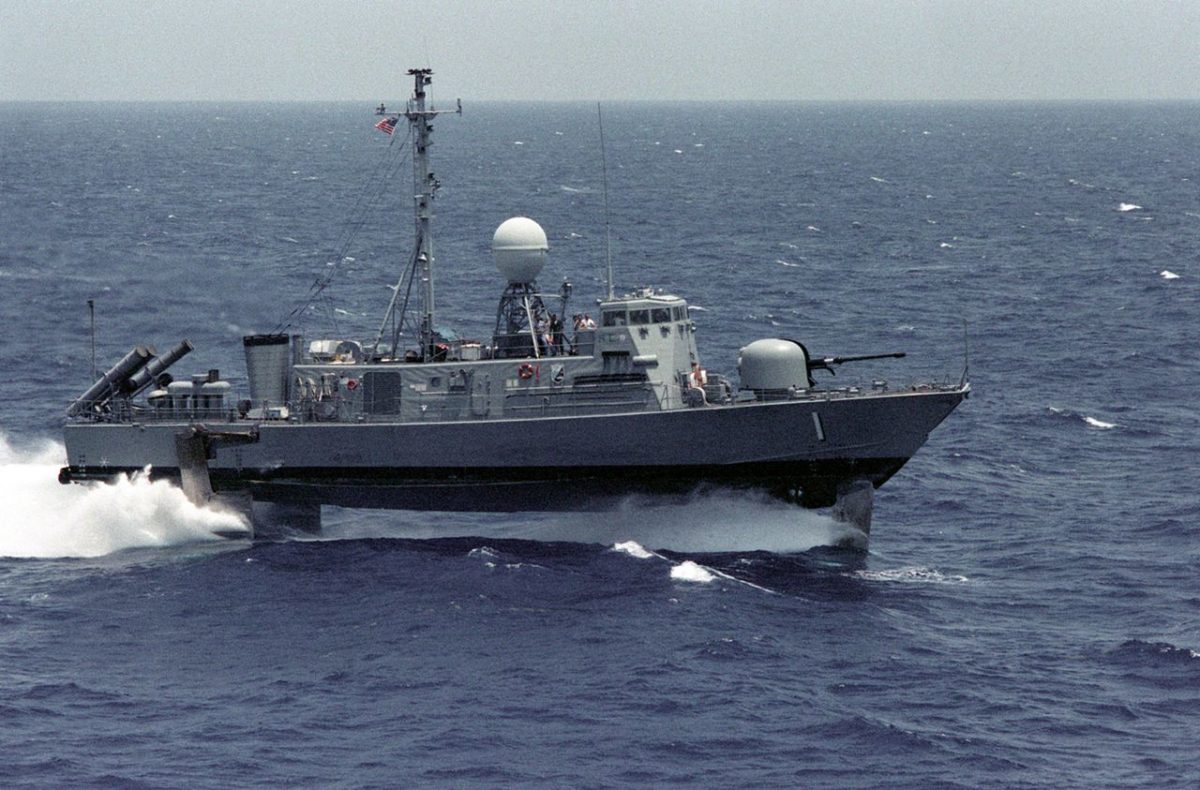
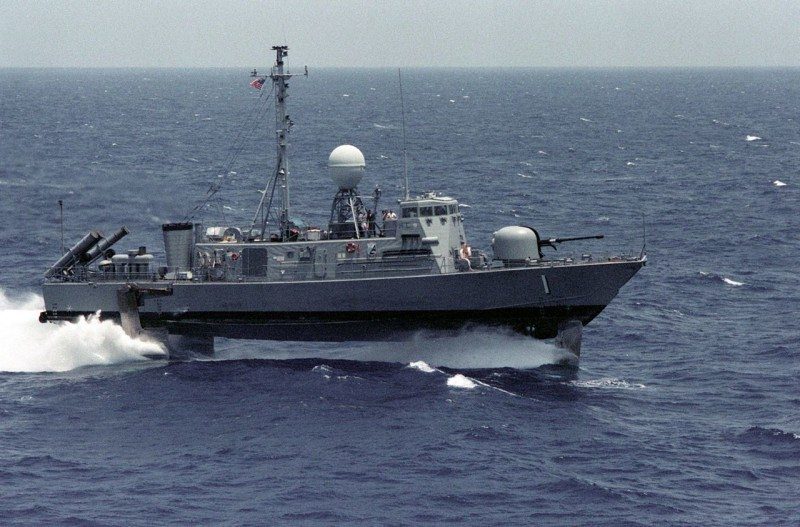
Here’s a video showing the early model Boeing-built hydrofoil Tucumcari that served as the basis for the subsequent Pegasus-class patrol boats for the U.S. Navy.
The vessel used waterjet propulsion and a computer-controlled submerged foil configuration consisting of one foil at the bow and two foils on the port and starboard side. The Tucumcari was one of two prototype boats contracted by the Navy for the purpose of evaluating hydrofoil technology with a top speed of 50 knots.
The model led to construction of the Pegasus-class patrol boats, which have been dubbed the fastest vessels in the U.S. Navy. The lead ship, USS Pegasus, was launched in November 1974 and commissioned in 1977. The Navy went on to build a total of six Pegasus boats, which were in service until they were decommissioned in 1993.
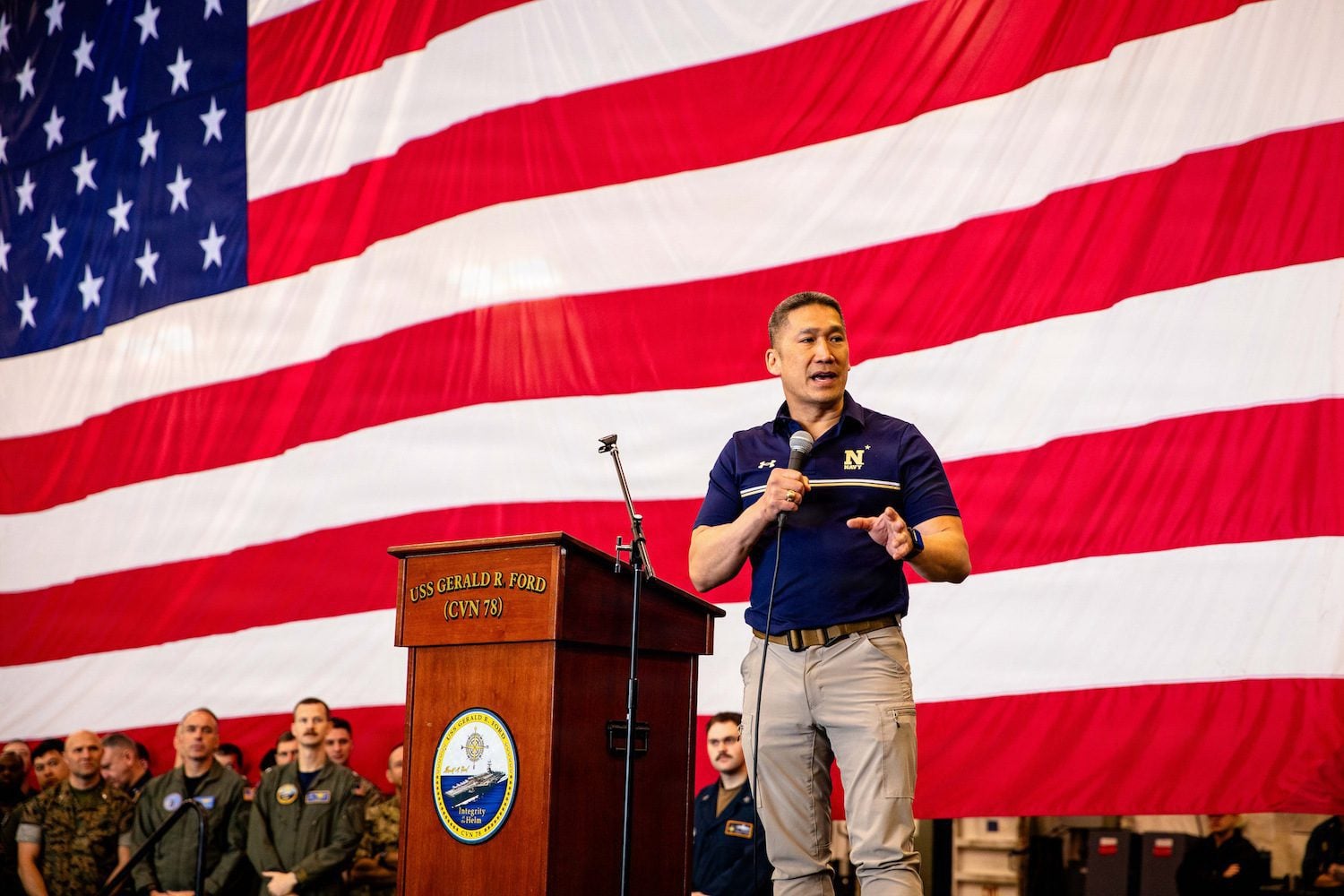
What (Acting) Secretary Hung Cao’s First Five Months Tell Us About the Job Ahead By Bruce Kimbrell (Policy Op-Ed) President Trump has nominated the Honorable Hung Cao to become the...
Anthropic says it disrupted an Iran-linked user that used its Claude artificial intelligence models to track U.S. naval forces, compile targeting material and research vulnerabilities in shipboard systems. The activity...
Hanwha’s push into U.S. naval shipbuilding was on display Wednesday as Acting Secretary of the Navy Hung Cao toured the company’s Philadelphia shipyard and met with executives about expanding domestic...
September 9, 2026
Total Views: 4067
Get The Industry’s Go-To News
Subscribe to gCaptain Daily and stay informed with the latest global maritime and offshore news
— just like 106,535 professionals
Secure Your Spot
on the gCaptain Crew
Stay informed with the latest maritime and offshore news, delivered daily straight to your inbox
— trusted by our 106,535 members
Your Gateway to the Maritime World!
Essential news coupled with the finest maritime content sourced from across the globe.

 Join The Club