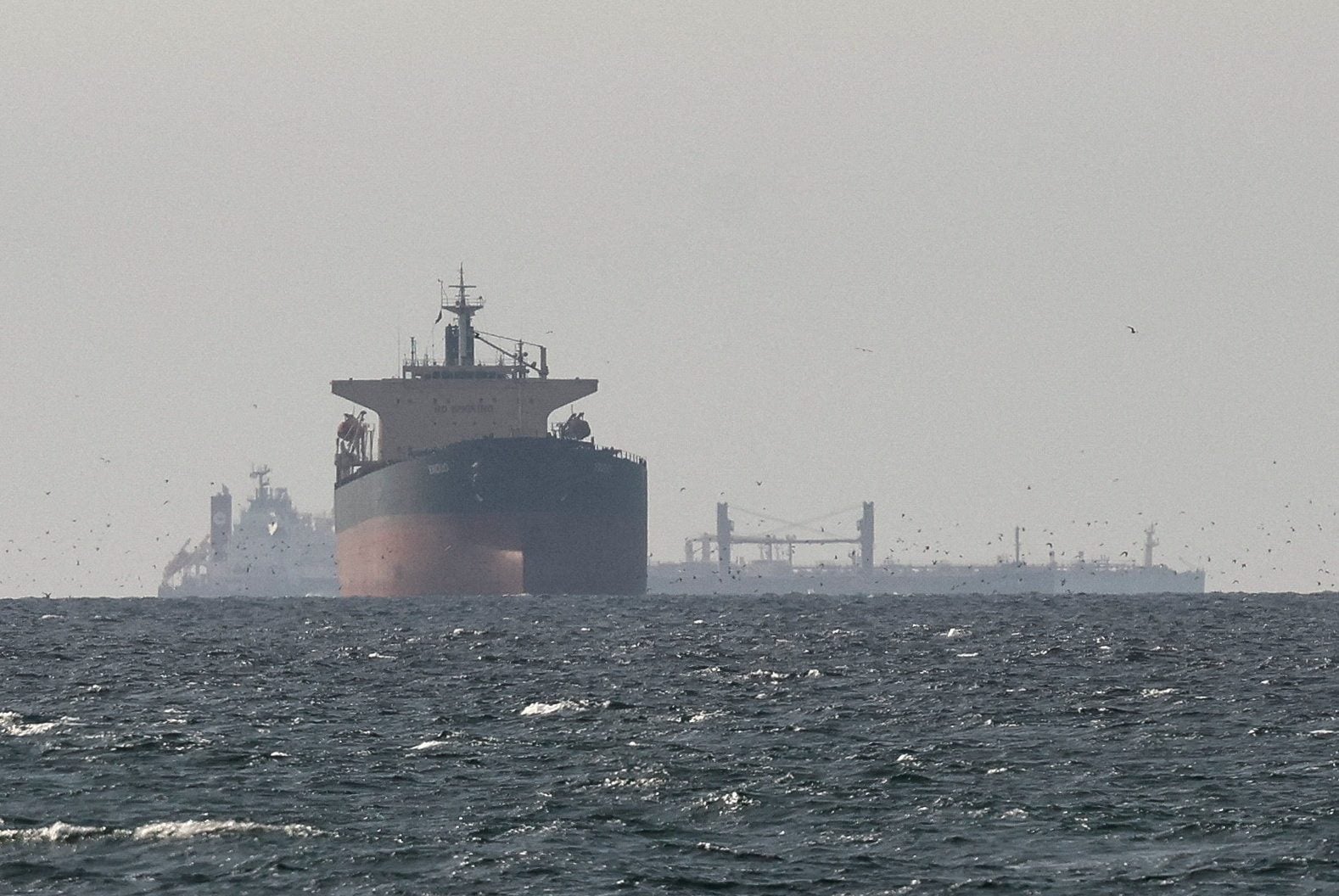
By Alex Longley (Bloomberg) — Oil tankers starting to drop anchor as traders start deploying the vessels to keep barrels at sea in the wake of the price plunge.
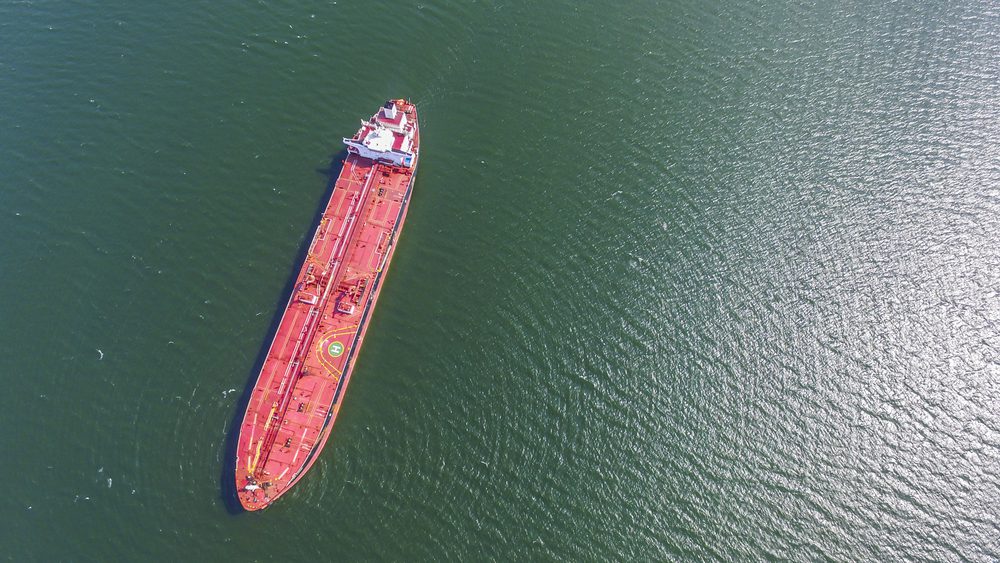
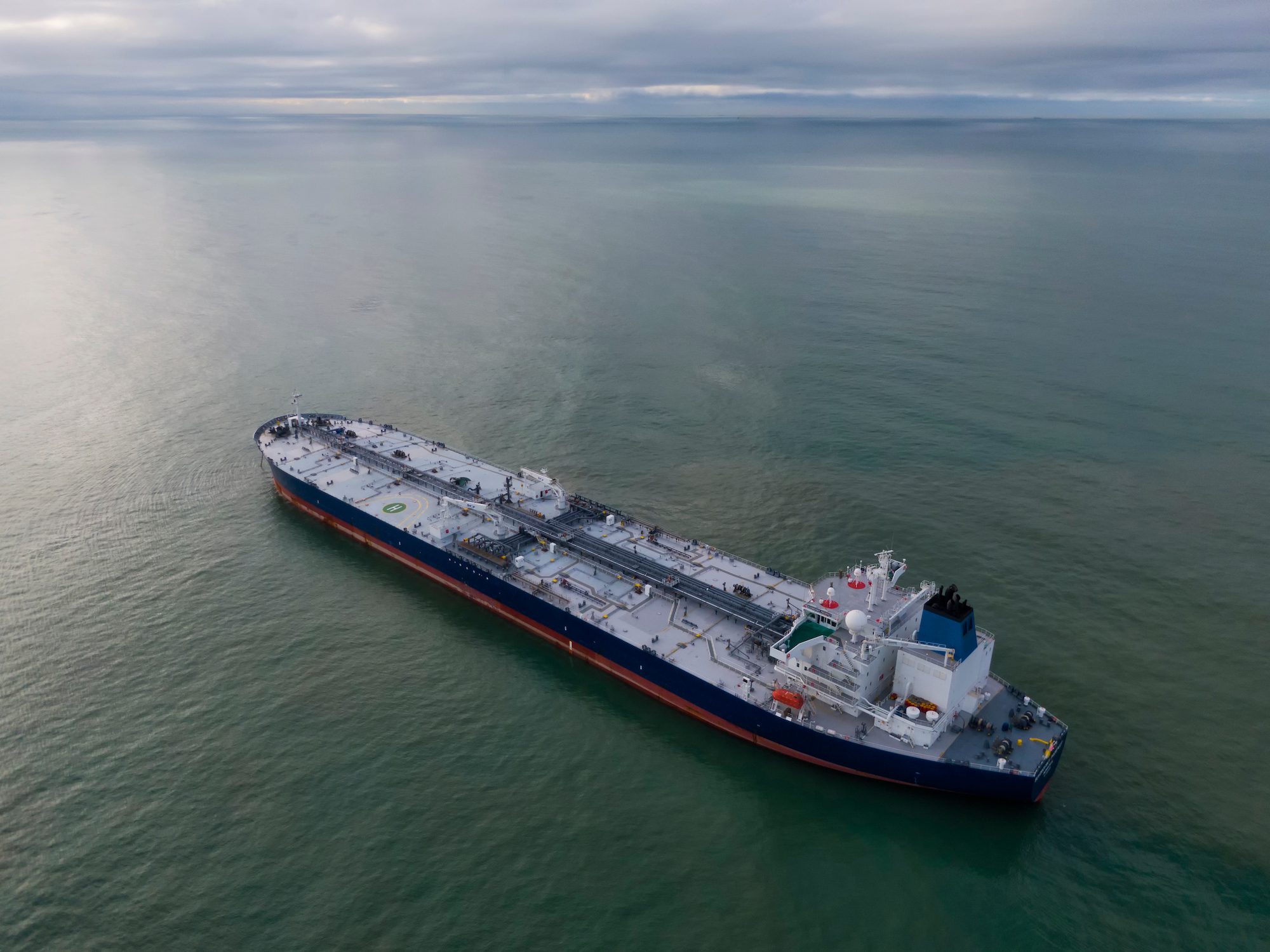
Between five and 10 supertankers have now been booked for storage, according to Florian Thaler, chief executive officer of oil data analytics company OilX. Multiple shiprokers and industry executives said they agreed with the estimate, meaning vessels have been hired to hoard 10 million to 20 million barrels. They could hold as much as Argentina’s monthly consumption.
The headline price of Brent oil crashed to below $25 a barrel this month, before recovering slightly, as Saudi Arabia stepped up a bitter price war with Russia and pledged to flood the market. The rout has triggered a so-called contango structure, where futures months and years from now are trading at hefty premiums. That offers big profits to those who can find cheap-enough storage and sell later.
“I think we will see a lot in the coming weeks,” said Robert Hvide Macleod, chief executive officer of tanker company Frontline Management AS. “There is virtually a super-contango in the oil market. This will mean storage on ships.”
Among the ships booked is the largest tanker in the world — Europe — which can hold 3 million barrels alone and is currently floating off Singapore. Glencore Plc chartered the vessel shortly before the recent price war broke out, to store crude and profit from the so-called contango market structure, according to people familiar with the matter.
In a contango market, a trader can profit from floating storage by selling cargoes in the future, provided the premium they’ll fetch for it would exceed the cost of hiring a tanker. Several of the world’s largest trading houses said the trade is now profitable.
In the height of the 2008-09 global recession, traders kept in excess of 100 million barrels at sea in a mix of contango trades and bets that prices would recover.
Many of recent fixtures of very large crude carriers, the industry’s biggest ships, are being concluded with a clause for floating storage or delivery flexibility, thus allowing for offloading at any destination at the time the contract ends according to Randy Giveans, senior vice president for equity research at Jefferies LLC in Houston.. He estimates up to 50 million barrels could have been booked for storage.
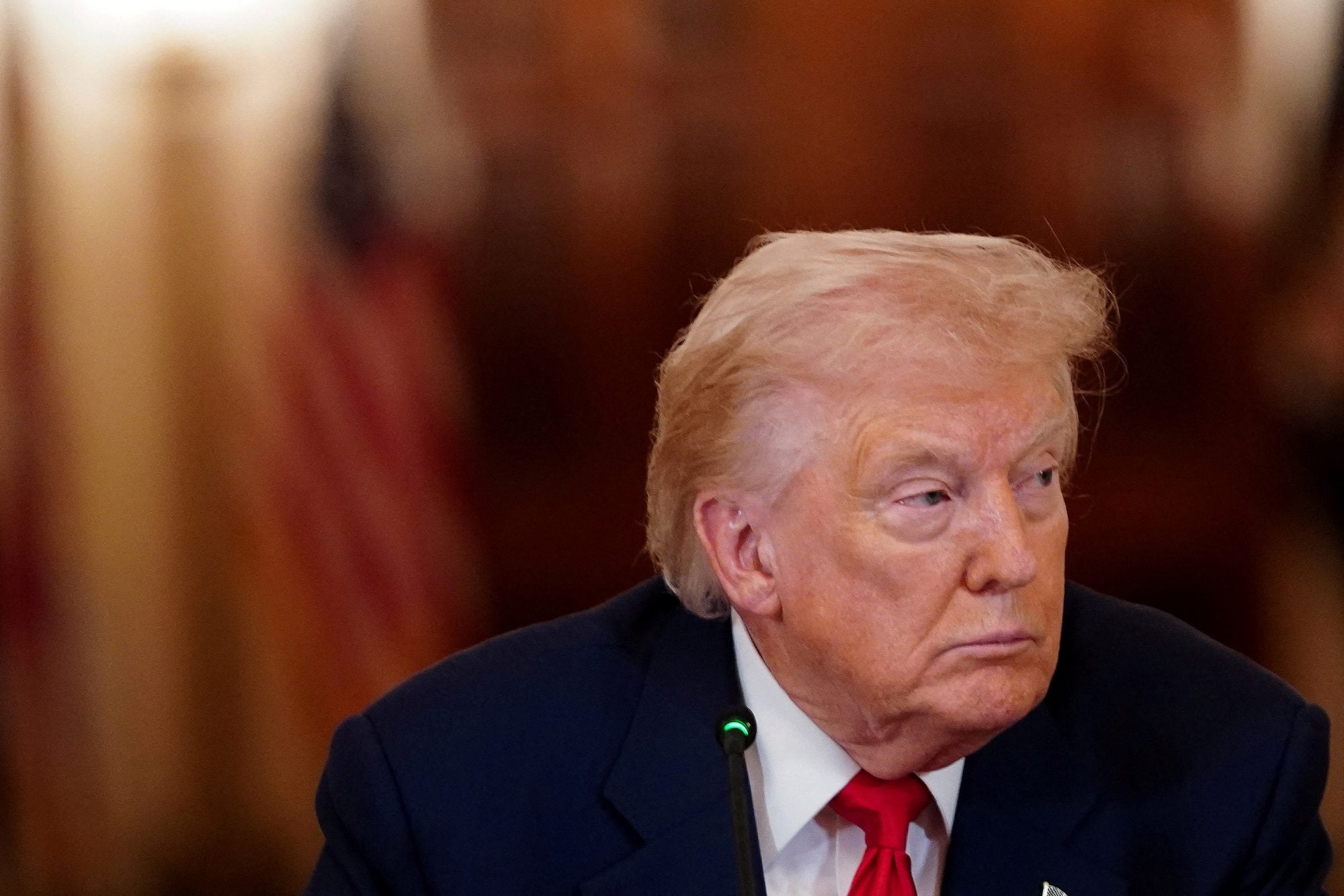
Global oil supplies are expected to be hit twice as hard this month as in March, the International Energy Agency said on Wednesday, underlining the urgent need to resolve the conflict over Iran that U.S. President Donald Trump said could end soon.
US oil prices ended Monday’s session above $100 a barrel for the first time since the US and Israel launched a war against Iran as President Donald Trump threatens further escalation of attacks, including on critical energy infrastructure.
Global oil prices have not climbed enough to cause demand destruction, U.S. Energy Secretary Chris Wright said on Monday at the CERAWeek energy conference in Houston, Texas, even as markets continued to gyrate and global oil prices remained near $100 a barrel due to the U.S.-Israeli war on Iran.
March 23, 2026
Total Views: 692
Get The Industry’s Go-To News
Subscribe to gCaptain Daily and stay informed with the latest global maritime and offshore news
— just like 107,160 professionals
Secure Your Spot
on the gCaptain Crew
Stay informed with the latest maritime and offshore news, delivered daily straight to your inbox
— trusted by our 107,160 members
Your Gateway to the Maritime World!
Essential news coupled with the finest maritime content sourced from across the globe.

 Join The Club