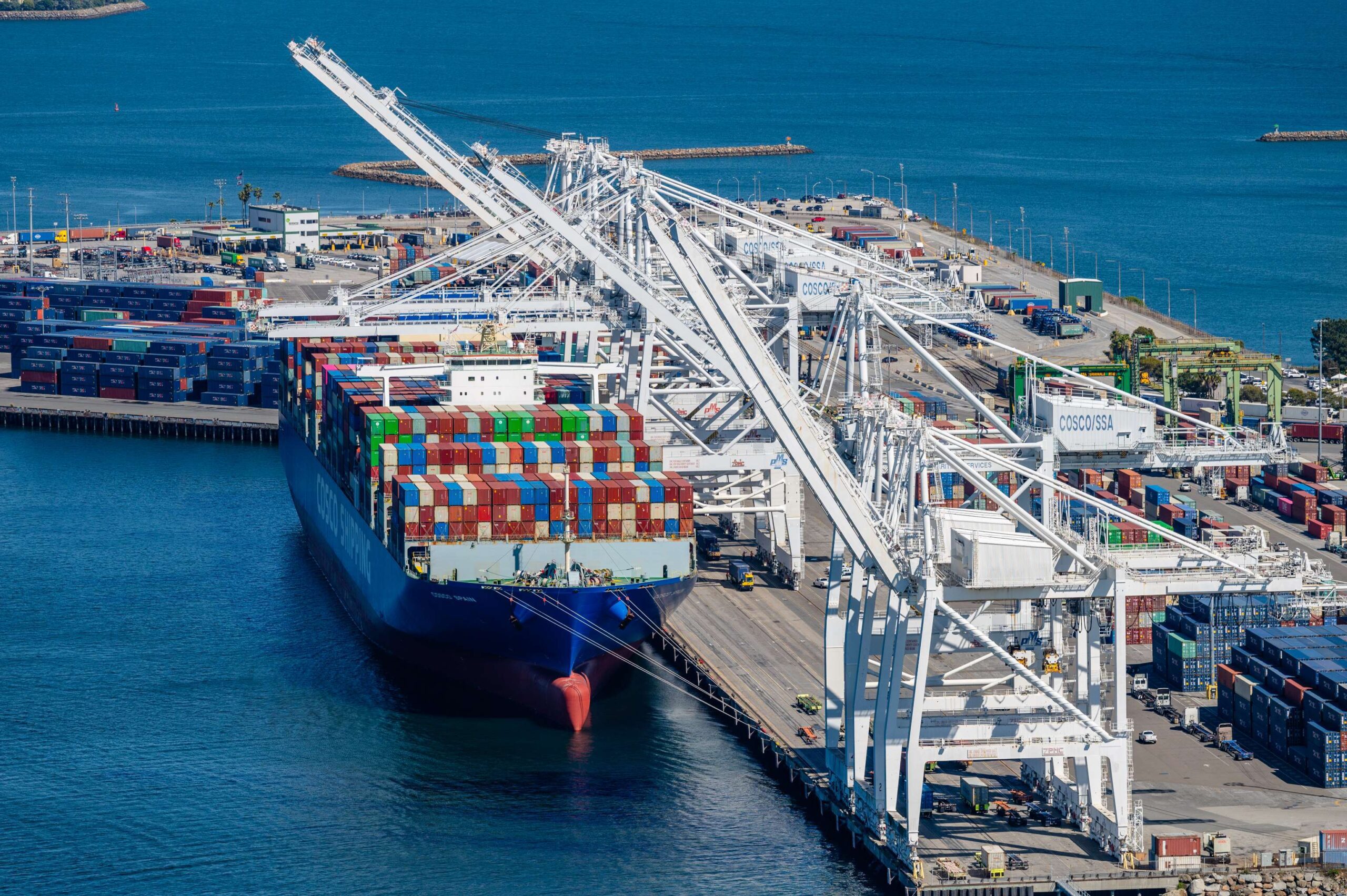
The Port of Long Beach handled its busiest August on record as U.S. container imports remained stronger than expected through the late summer peak season.
The port moved 919,992 twenty-foot equivalent units (TEUs) in August, up 2% from the same month last year and marking the fifth-busiest month in the port’s 115-year history.
Imports increased 3.6% year over year to 456,100 TEUs, while exports rose 4% to 99,754 TEUs. Empty container movements slipped slightly, falling 0.4% to 364,138 TEUs.
Through the first eight months of 2026, Long Beach has handled 6.68 million TEUs, up 1.3% from the same period last year.
“Our August numbers tell us that shippers continue to adapt to tariffs and geopolitical uncertainty and are confident in the Port of Long Beach’s ability to deliver,” Port of Long Beach CEO Noel Hacegaba said. “The numbers also show that the Port is a safe and secure harbor that customers can count on.”
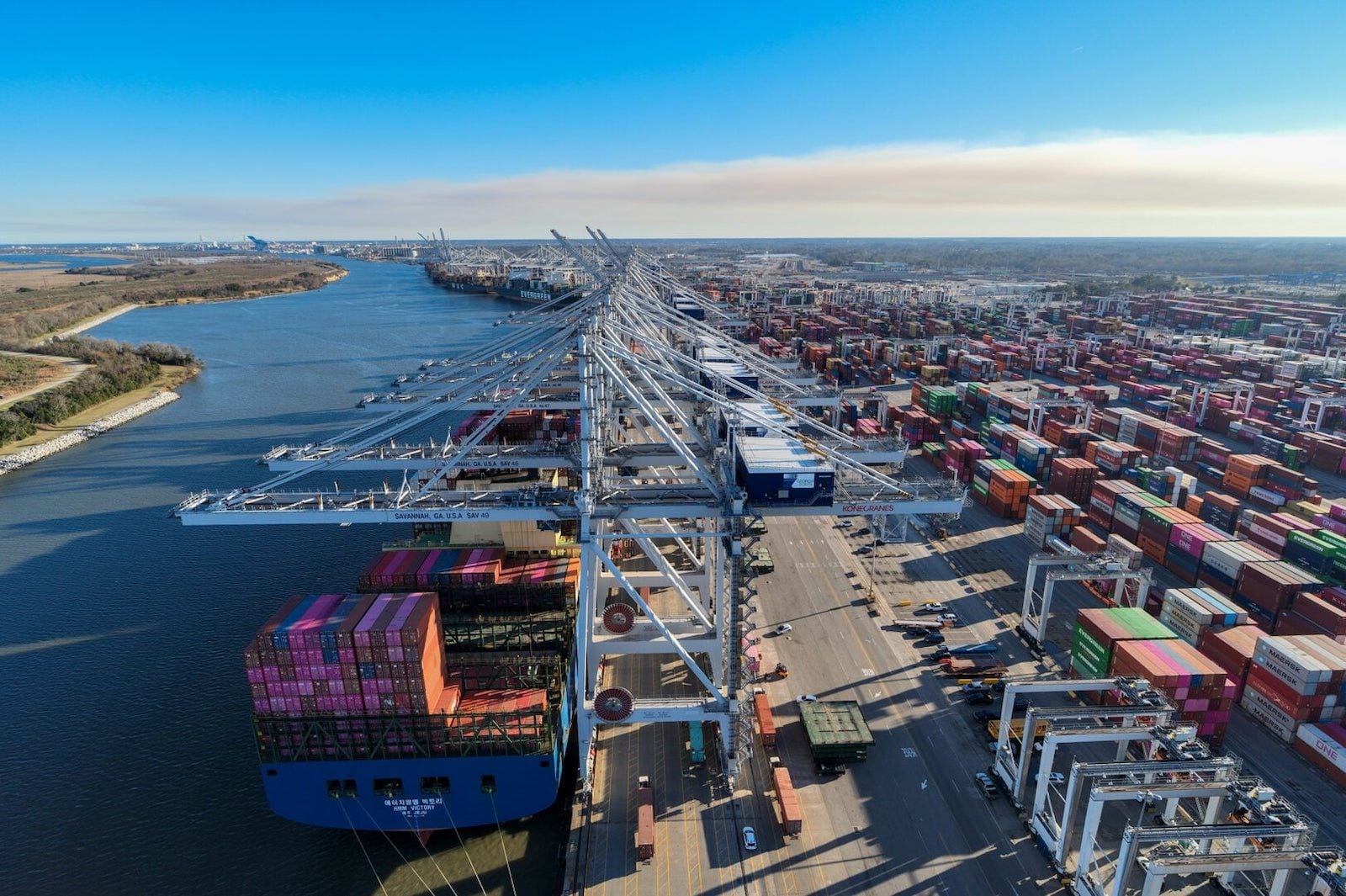
Long Beach’s record August fits with a broader national trend showing the U.S. container import peak lasting longer than many expected.
The latest Global Port Tracker report from the National Retail Federation and Hackett Associates now forecasts September as the busiest import month of the year at major U.S. container ports, with volumes expected to reach 2.31 million TEUs.
That would be up 9.6% from September 2025 and slightly above July’s 2.3 million TEUs.
The outlook has shifted considerably in recent weeks. Earlier forecasts suggested that retailers’ push to move goods ahead of tariff changes had pulled much of the traditional peak season into the spring and early summer, with volumes expected to ease by late summer.
Instead, cargo has remained elevated. NRF has attributed the extended peak in part to strong consumer demand, vessel delays caused by bad weather in China and some ships diverting away from the Panama Canal amid concerns over potential drought conditions.
Retailers have also continued importing merchandise despite tariffs, inflation and higher fuel prices tied to the conflict in Iran.
Long Beach’s August performance suggests the nation’s largest container gateway complex continues to benefit from that resilience in import demand.
Hacegaba is expected to discuss the factors behind the port’s August cargo volumes in greater detail during the next edition of the port’s Supply Chain Insight briefing on Sept. 16.
Despite the stronger-than-expected summer, Global Port Tracker still expects imports to slow later this fall, with volumes forecast at 2.11 million TEUs in October and 2 million TEUs in November.
For the full year, imports at ports covered by the report are now expected to reach 25.7 million TEUs, up about 1% from 2025.

 Join The Club