Commercial shipping through the Strait of Hormuz has slowed to a near standstill as missile attacks, drone threats, and widespread electronic interference continue to rattle the region, according to the latest maritime security advisory from the Joint Maritime Information Center (JMIC).
In its latest update, JMIC said the regional maritime threat environment remains highly volatile amid the escalating conflict involving the United States, Israel, and Iran, warning that the risk to merchant shipping across the Arabian Gulf, Strait of Hormuz, and northern Arabian Sea remains “CRITICAL,” meaning an attack is considered almost certain.
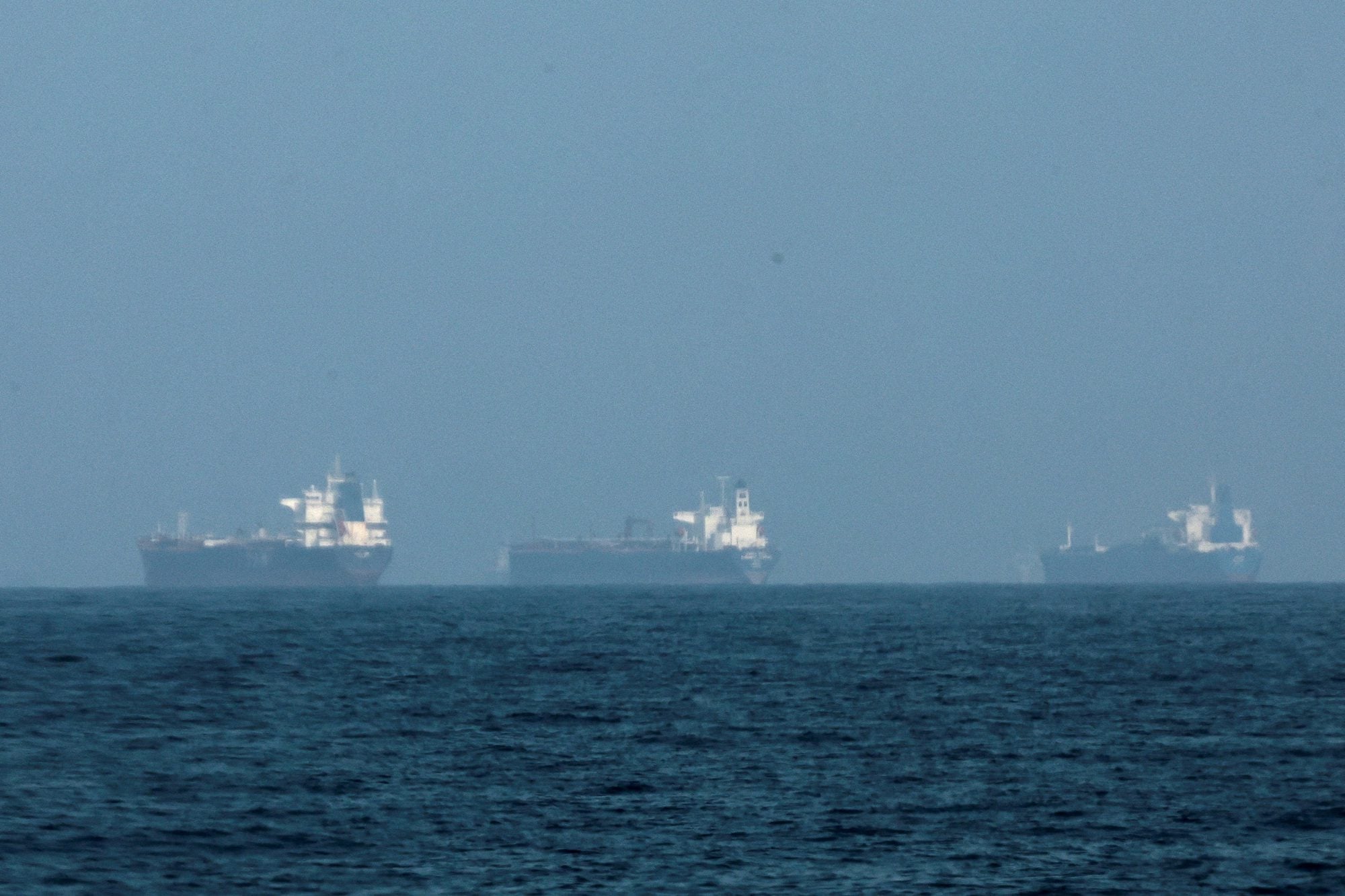
While the strait technically remains open to navigation, vessel movements have collapsed as shipowners and charterers reassess the risks of transiting one of the world’s most important maritime chokepoints.
A review of vessel tracking data cited in the advisory shows that traffic through the waterway has nearly stopped.
“Recent AIS review indicates transits have reduced to single-digit levels, with only one confirmed commercial transit observed in the past 24 hours,” the advisory said.
JMIC noted that although the dramatic reduction represents a near-total pause in routine commercial traffic, the situation does not constitute a formal closure of the strategic waterway. “While this represents a near-total temporary pause in routine commercial traffic, no formal legal closure of the Strait has been declared,” the advisory said.
The Strait of Hormuz remains a critical artery for global energy markets, handling roughly one-fifth of the world’s oil consumption and a large share of liquefied natural gas exports from Gulf producers including Qatar.
Data from MarineTraffic.com shows tanker traffic through Strait of Hormuz down by more than 90%. “Unlike several other vessel segments where movements have largely ceased, some tankers are still traveling east and west through the strait, with a number of voyages occurring under AIS blackouts,” says Matt Wright, Principal Freight Analyst at Kpler, parent company to MarineTraffic.com.
Despite the absence of a formal closure, the operational reality for the shipping industry has changed significantly as security concerns intensify.
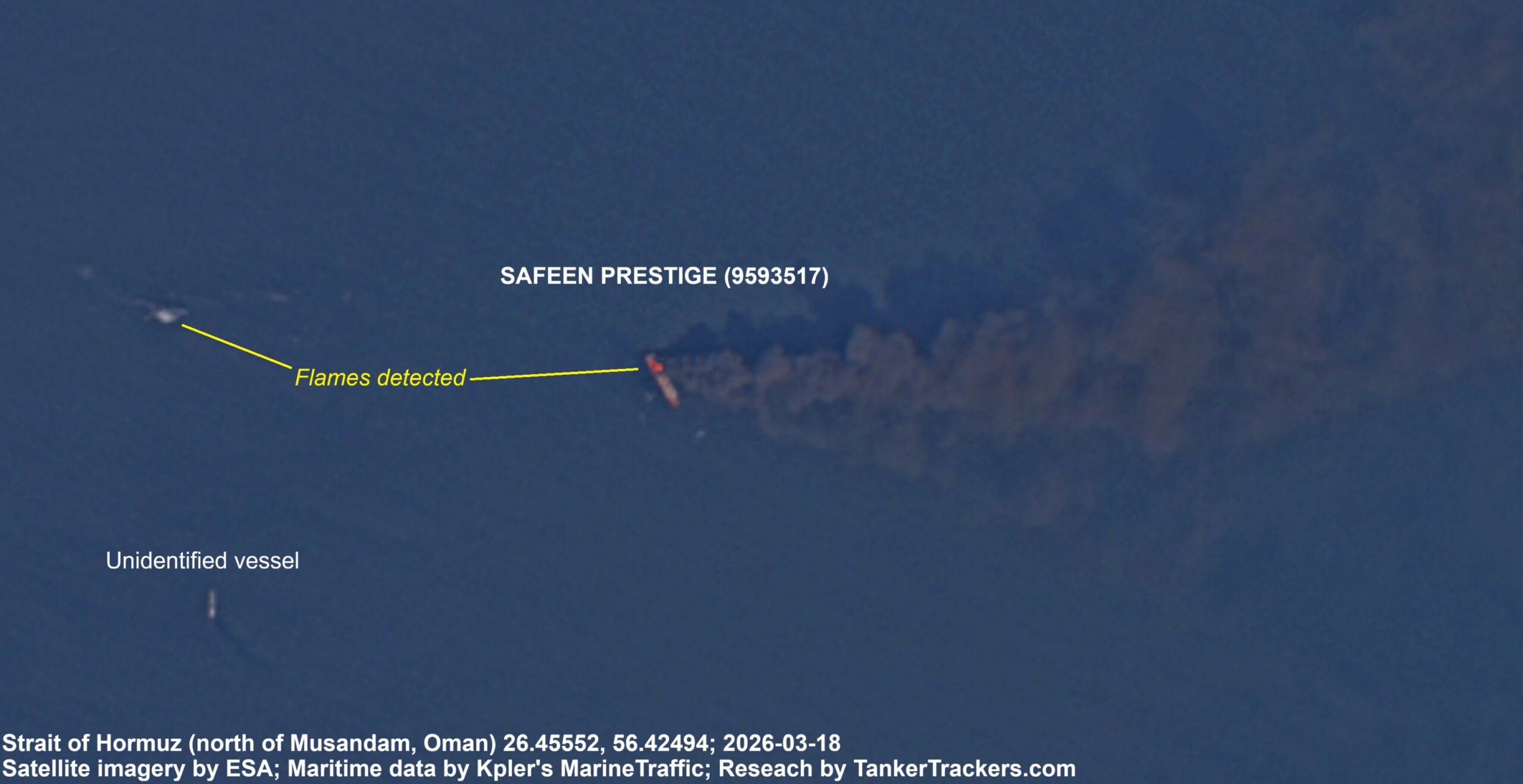
A containership transiting the Strait of Hormuz was struck by a projectile on Wednesday, damaging the ship and forcing the crew to abandon ship in the latest escalation of attacks targeting commercial shipping in the region. The strike on Safeen Prestige is one of several incidents involving commercial vessels across the region in recent days.
The JMIC advisory also highlighted widespread GPS and GNSS interference affecting vessels operating in the region, including AIS anomalies, positional inaccuracies, and degraded communications systems. Shipmasters were urged to closely monitor navigation equipment and be prepared to rely on radar, visual bearings, and traditional navigation techniques if satellite-based systems become unreliable.
“Masters should monitor all navigation equipment closely and be prepared to revert to alternative navigation methods should GNSS systems become degraded or unavailable,” the advisory said.
The warning comes as missile and drone attacks targeting vessels and regional infrastructure continue to raise the risk of commercial ships becoming collateral damage in the widening conflict.
JMIC cautioned that the maritime security environment could deteriorate further if missile activity expands closer to major shipping routes or if strikes occur against ports, offshore infrastructure, or terminals supporting Gulf energy exports.
Shipping companies operating in the region have been advised to conduct enhanced voyage risk assessments before entering the Gulf, maintain reporting links with the United Kingdom Maritime Trade Operations (UKMTO) center and the Maritime Security Centre – Indian Ocean (MSCIO), and follow established Best Management Practices for maritime security.
Despite the escalating threats and the sharp collapse in vessel movements, the advisory noted that no coordinated naval escort program for merchant shipping has yet been announced.
The near halt in traffic underscores how quickly security conditions in the Strait of Hormuz can disrupt global trade, even without an official closure of the narrow passage that links the Persian Gulf to international markets.
Updated: March 19, 2026 (Originally published March 4, 2026)
Editorial Standards · Corrections · About gCaptain

 Join The Club