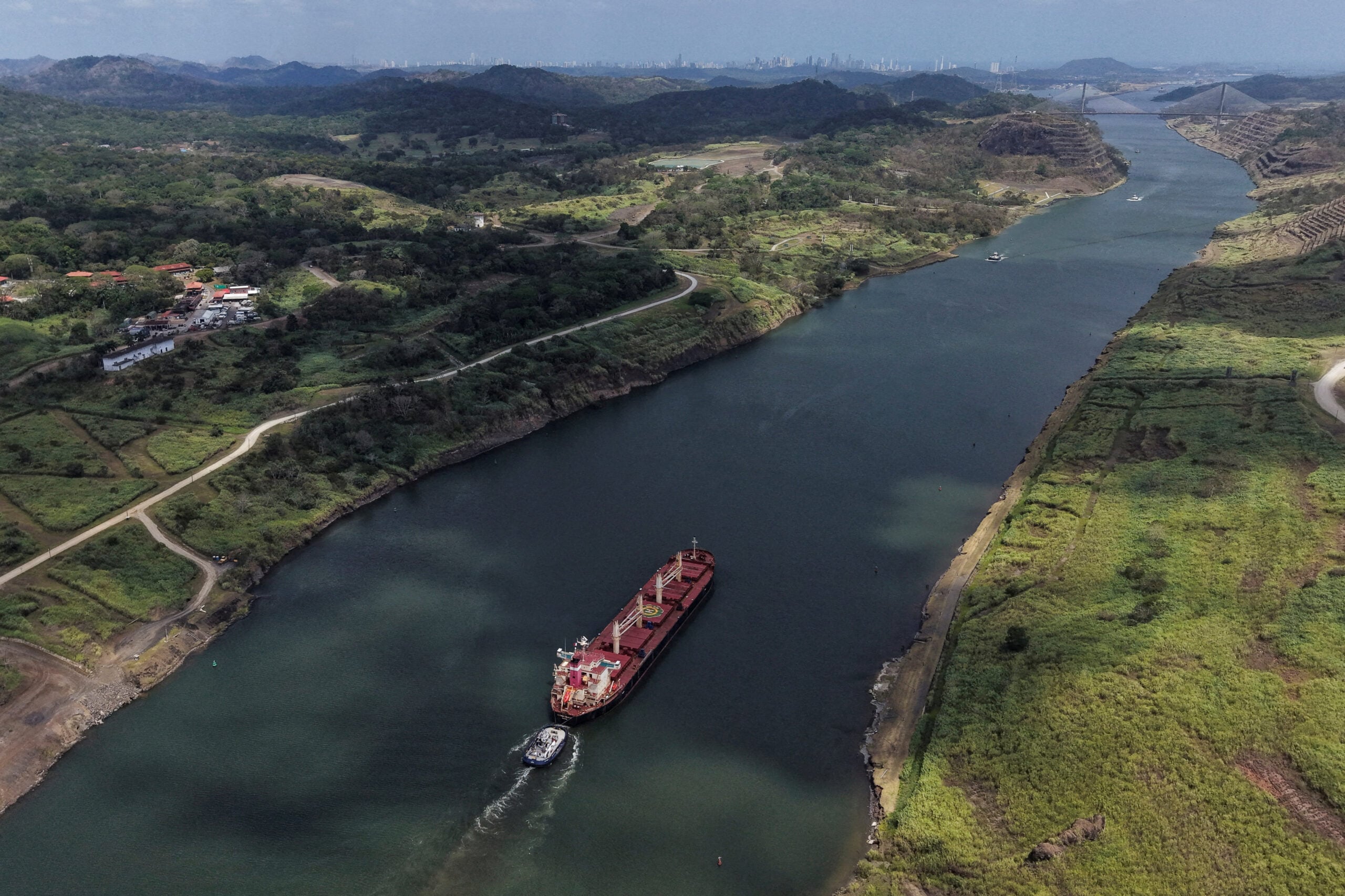
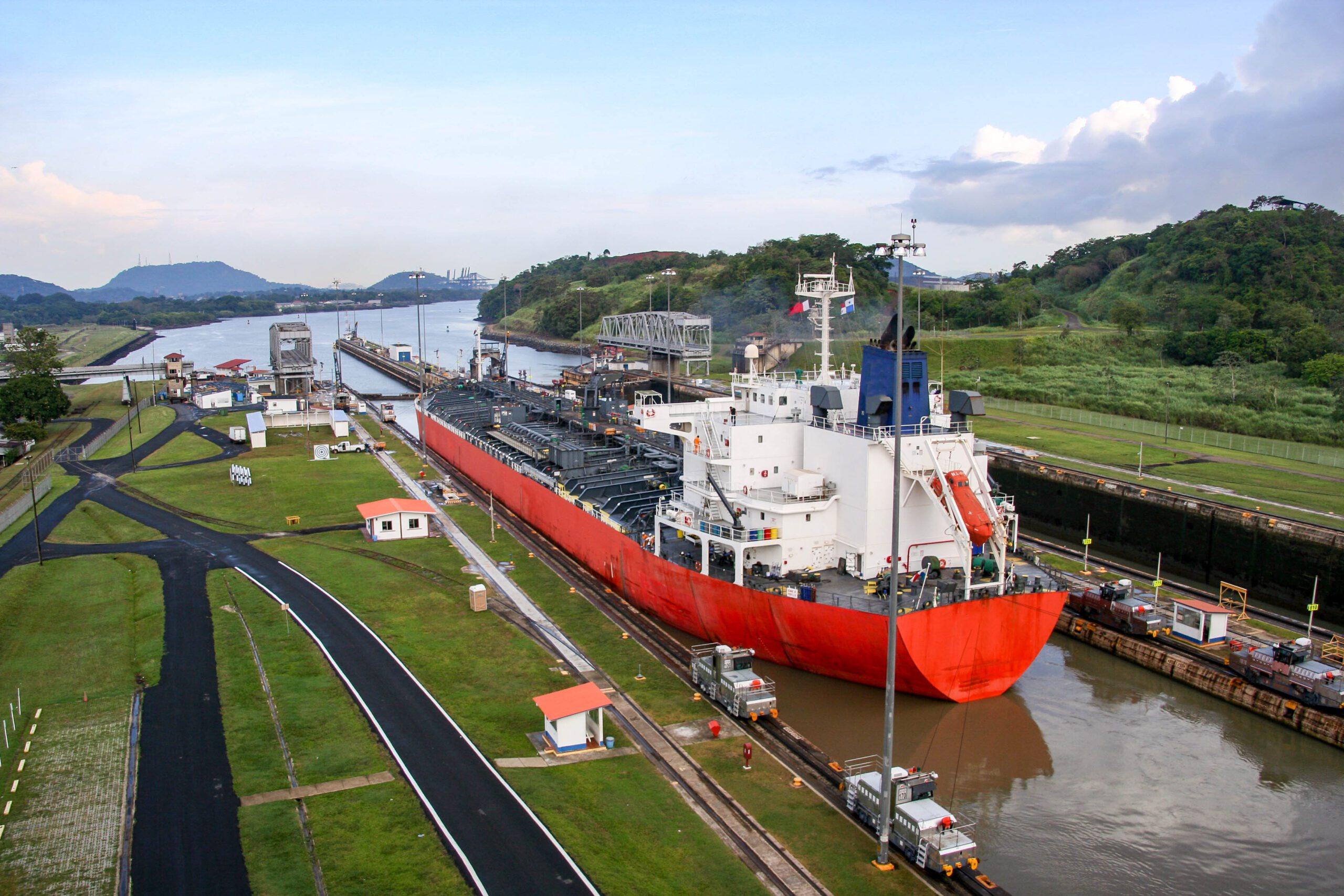
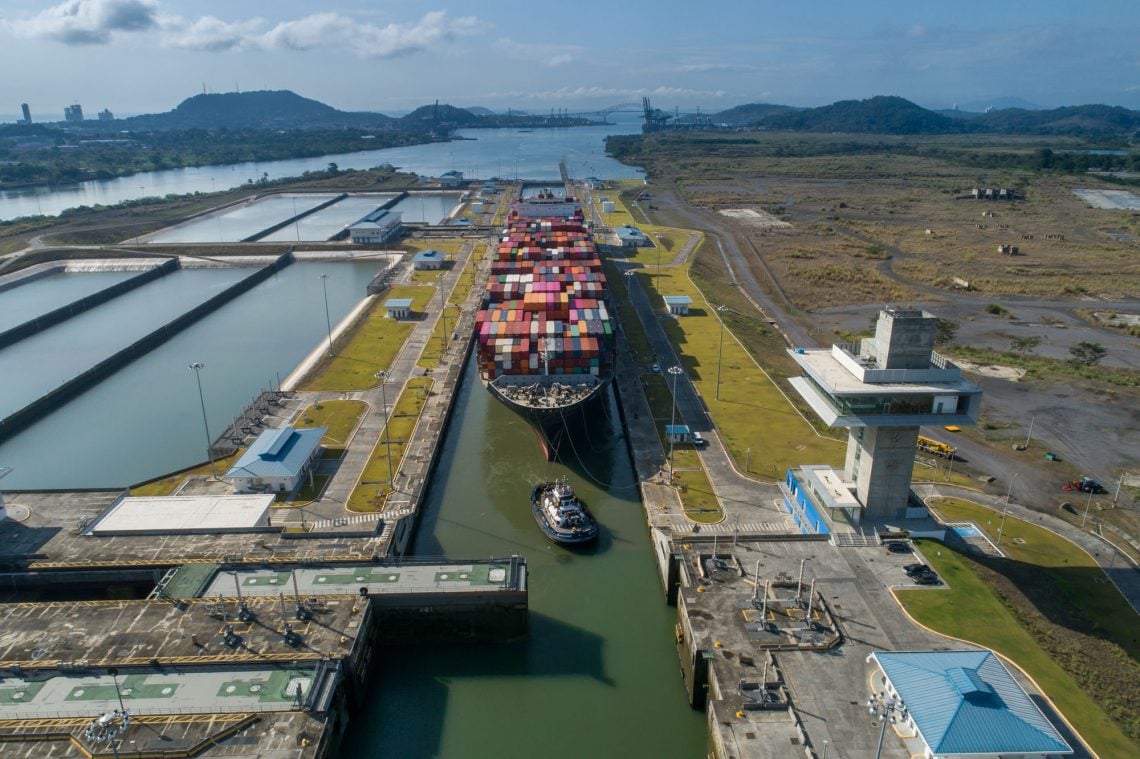
(Bloomberg) — Exporters including Chevron Corp. are turning to ship-to-ship transfers to send liquefied petroleum gas from the US to Asia, an apparent change in strategy that comes as users of the Panama Canal grapple with congestion and record transit fees.
The busy Gulf Coast-to-Asia LPG trade typically relies on wider Neopanamax vessels, but these ships are facing increasingly punitive costs to get through the canal. The rates for narrower Panamax tankers, which go through a separate set of locks, haven’t risen as much, traders said.
Two Neopanamax tankers chartered by Chevron, the Fritzi N and the Pacific Yantai, are slated to receive cargoes of LPG off the port of Balboa, located on the Panama’s Pacific coast, according to shipping fixtures seen by Bloomberg. That is likely to come from Panamax vessels that have passed through the waterway.
The Neopanamax vessels will then take the fuel — used as cooking gas and in some types of manufacturing — across the Pacific.
The move underscores how the market is turning to workarounds to cope with maritime congestion due to the Iran war and an intensifying El Niño. The weather pattern is bringing drought to Central America, which is lowering water levels in the canal, while the conflict in the Middle East has led to an increase in US-to-Asia energy flows.
Around 60% of US LPG exports have gone to Asia so far this year, according to Kpler, up from 55% for the whole of 2025.
Ships seeking to sail through the Panama Canal typically pay a flat rate via a reservation process. But lengthening waiting times for larger vessels are spurring some shippers to swap reservations, effectively paying more to bypass the regular queue.
The fee for a Neopanamax tanker that arrives at the canal without booking a slot and wants to transit immediately spiked to an all-time high of $4.6 million last week.
Chevron declined to comment. Anglo-Eastern Ship Management, which is the ISM ship manager for the Fritzi N, didn’t respond to calls and emails seeking comment. SPDBFL No Two Hundred & Twenty-Two (Tianjin) Ship Leasing, which is the owner of the Pacific Yantai, didn’t respond to calls seeking comment. Pacific Gas, the vessel’s ship manager, declined to comment on the matter.
© 2026 Bloomberg L.P.

 Join The Club