Global container shipping rates extended their decline for a sixth consecutive week, dropping 1% to $1,919 per 40-foot container as the traditional pre-Lunar New Year cargo rush continues to disappoint carriers and shippers alike.
The latest slip in the Drewry World Container Index underscores an unusual market dynamic playing out across major trade lanes. Rates have been falling steadily since early January—a pattern that runs counter to typical seasonal behavior, when exporters traditionally rush cargo before factories close for the holiday.
Transpacific routes remain under significant pressure. Spot rates from Shanghai to New York declined 1% to $2,782 per FEU, while Shanghai to Los Angeles rates held steady at $2,219.Carriers are responding aggressively, announcing 31 blank sailings for the coming week on Transpacific East and West Coast routes—well above historical norms for this time of year.
“Container spot rates are falling sharply, which indicates that the market is weak, contrary to the general expectation of rising demand and increasing spot rates before the CNY,” Drewry stated in its assessment.The firm warned that if normal seasonal patterns hold, rates could decline further in the coming weeks.
Asia–Europe lanes are showing similar softness. Rates from Shanghai to Rotterdam fell 1% to $2,109 per FEU, while Shanghai to Genoa dropped 2% to $2,895.Carriers have announced eight blank sailings on the Asia–Europe and Mediterranean trade route for next week as factory closures and volatile market conditions weigh on demand.
The downturn reflects a broader shift in market fundamentals. Just a week earlier, rates had fallen 7% to $1,933 per FEU, marking a fifth straight weekly decline. By that point, carriers had already canceled 57 transpacific sailings over a two-week period, with another 24 blanked sailings announced for Asia–Europe routes.
“This downward trend highlights a significant shift in the market, as the traditional pre-Lunar New Year cargo rush is failing to materialise in 2026,” Drewry noted.
Capacity management is unfolding against a complicated backdrop. Diversions around the Cape of Good Hope continue to absorb roughly 2 million TEU—about 8% of the global container fleet—but the gradual return of some services to the Suez Canal is beginning to reintroduce supply and muddy the rate outlook.
Drewry analyst Philip Damas identified the timing and scale of any broader return to Suez as one of the key variables shaping the market this year, noting that carriers are weighing security risks, insurance costs, competitor behavior, and port congestion before committing fully.
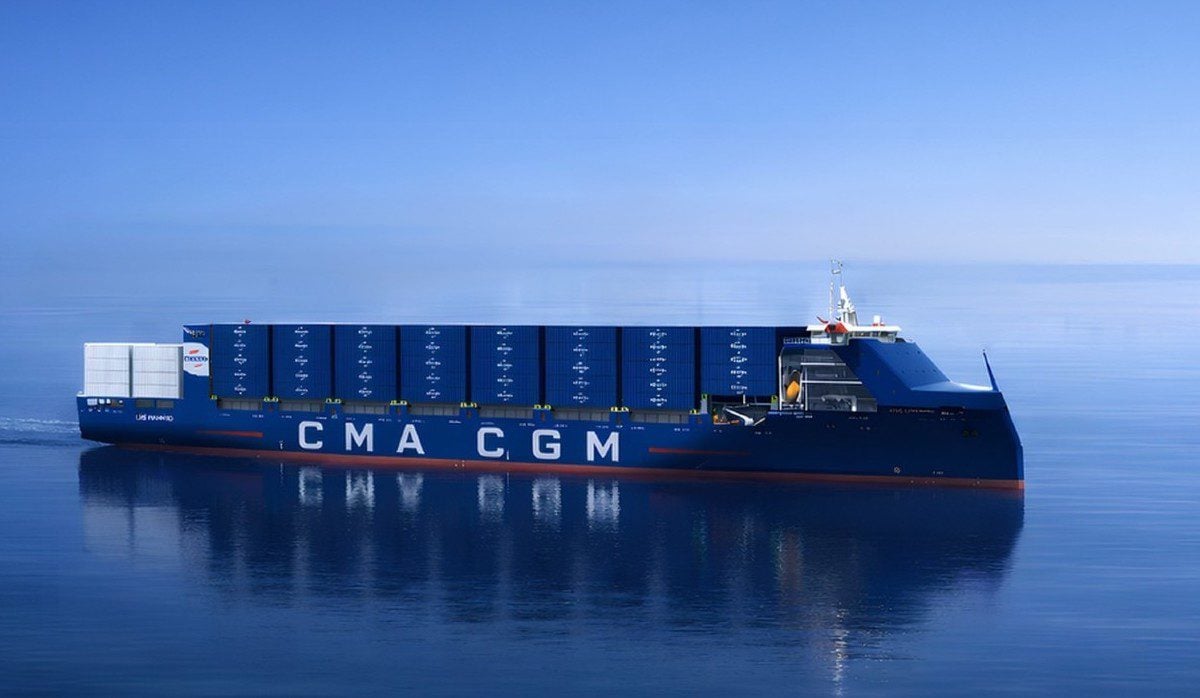
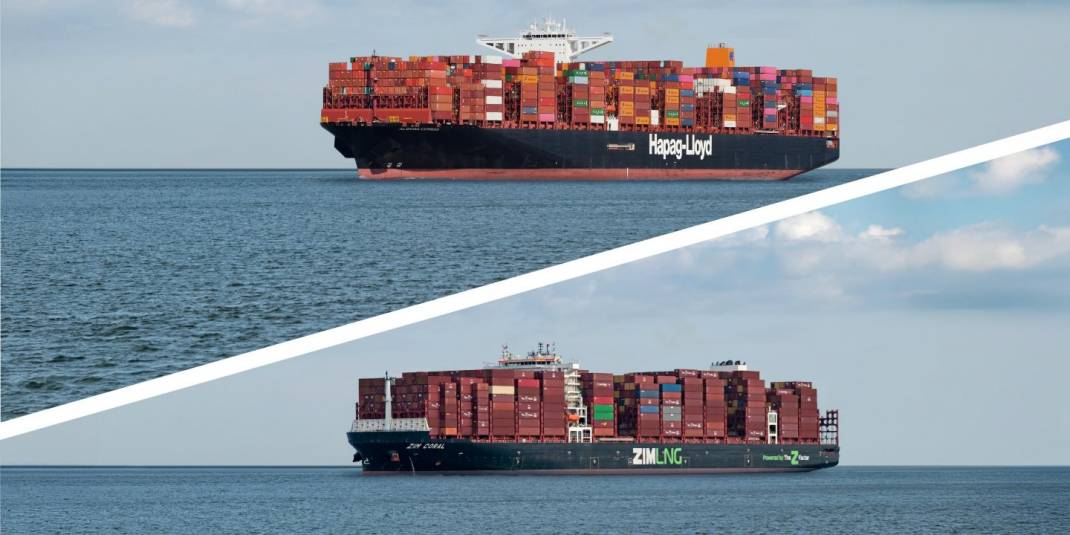
That cautious reopening began when Maersk and Hapag-Lloyd announced their ME11 service would resume Red Sea transits in mid-February following trial voyages and a lull in attacks after the Gaza ceasefire in October 2025.But risk appetite remains uneven. Days later, CMA CGM rerouted three Asia–Europe services back around the Cape, citing the “complex and uncertain international context.”
“These conflicting decisions suggest capacity will return to the market gradually rather than all at once,” Drewry said, adding that a phased return could help avoid a sudden spot-rate collapse.
Looking ahead, analysts continue to warn that global freight rates could fall by as much as 25% in 2026 as new vessel deliveries collide with softer demand, even if Red Sea conditions remain relatively stable.The Suez Canal Authority has forecast a return to normal traffic levels by the second half of 2026.
With carriers now planning 63 blank sailings for February—up sharply from 27 in January—the market appears braced for further rate pressure as factories shut down and cargo demand continues to soften.
Editorial Standards · Corrections · About gCaptain

 Join The Club