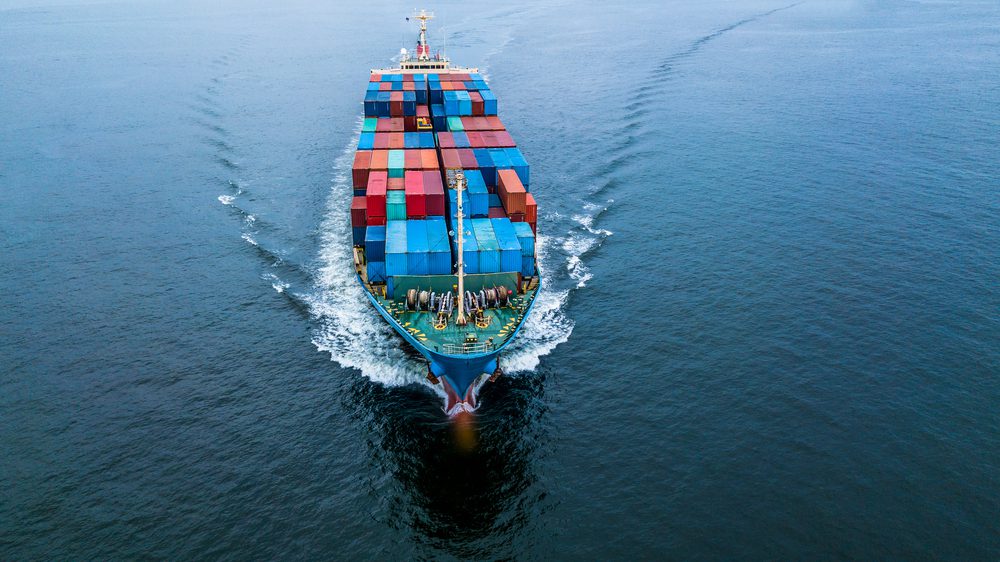
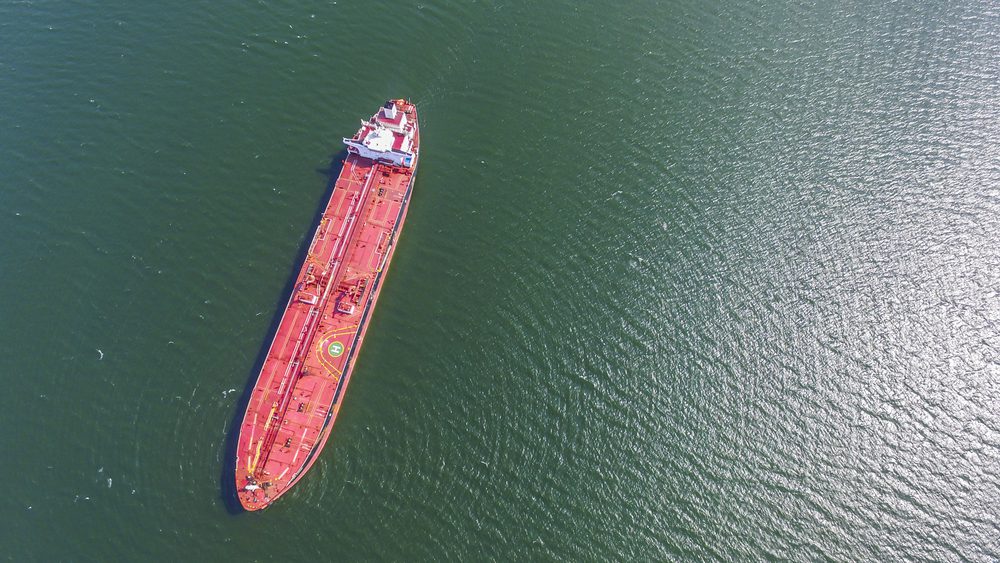
By Lori-Ann LaRocco – It’s a good time to be an ocean carrier or tanker owner. The slower trade caused by bottlenecks stemming from the U.S. war with Iran, Russia’s war in Ukraine, and the Panama Canal’s El Niño water-mitigation measures has fueled soaring tanker profits and the never-ending surcharges imposed by ocean carriers.
“Disruption is no longer the exception,” said Richard Meade, editor-in-chief of Lloyd’s List. “It is becoming the business model over the past week. Shipping’s strongest markets are increasingly being shaped not by economics alone, but by geopolitics, security, and strategic uncertainty.”
Cashing in on uncertainty is nothing new in maritime. We have seen soaring profits during previous disruptions. They get larger with each disruption.
The $1.10 million per day for a VLCC on the Saudi Arabia/Arabian Gulf-to-China route on September 15 is just one example.
“VLCC earnings approaching a million dollars today were almost unthinkable not so long ago,” said Meade. “Yet a combination of business disruption, long-term crew trades, and tightened vessel availability has quickly shown how geopolitics can overwhelm traditional market fundamentals concepts as outdated as supply and demand.”
Lloyd’s List senior reporter Greg Miller explained during the company’s weekly webinar that this tanker cycle far exceeds the shipping supercycle of the 2000s.
“What’s happening now has gone way, way beyond that,” Miller said. “It’s far beyond anything in the history of tankers. The only thing that’s even comparable now to what’s happening in tankers in the modern history of shipping is the profits for container lines during COVID.”
The new normal for trade is slower and more expensive. You can thank Mother Nature and man for creating this pricey cycle.
The U.S. war with Iran and the global refinery-capacity shortage resulting from the war, along with Russia’s war in Ukraine, are taking a toll on refined products, let alone overall crude supplies.
The refinery issue is coming to a head, and it will only get worse. Wait until heating bills arrive for Americans who heat with fuel oil and propane. With $10 diesel, the price of fresh vegetables and fruit will go up again for sure.
Some 70,000 products are made with petro-based chemicals. These raw materials are in everything from paint and clothing to the coolant used in data centers.
Customers across all industries — industrial, food, paints, energy, and personal care — are ordering smaller quantities with shorter lead times because they don’t want to get stuck buying high-cost inventory before a price drop. They are also factoring in sky-high delivery costs because of diesel prices.
“This is difficult for chemical distributors because we all have the same concerns: how much inventory should we buy? Will prices drop? Will we get stuck when that happens? But if we don’t have stock, we can’t sell it,” said the chemical manufacturer.
These concerns aren’t on the radar for tankers moving black gold or carriers moving containers. It’s about moving the trade at any cost, as long as shippers keep paying. And boy, do they pay.
Xeneta’s analysis of ocean carrier surcharges this year shows how quickly carriers slapped surcharges on shippers. Emergency fuel surcharges came first, followed by inland and intermodal leg charges. Then came the “peak season” surcharges. When the war with Iran intensified in late July, another emergency fuel surcharge was deployed.
“Three surcharge waves in six months: volatility is now being invoiced,” wrote Emily Stausboll, senior analyst at Xeneta.
So, with no end in sight, shippers can expect to buckle up for more charges and fees. Investors in ocean carriers and tankers hope the companies use these record profits wisely.

 Join The Club