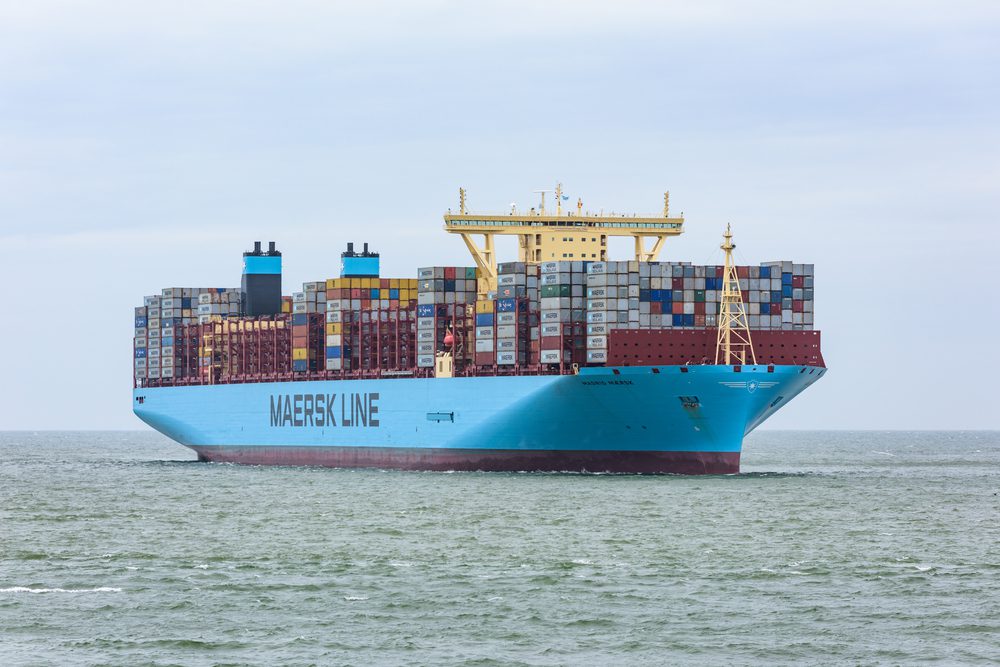
By Corine van Kapel / Shutterstock
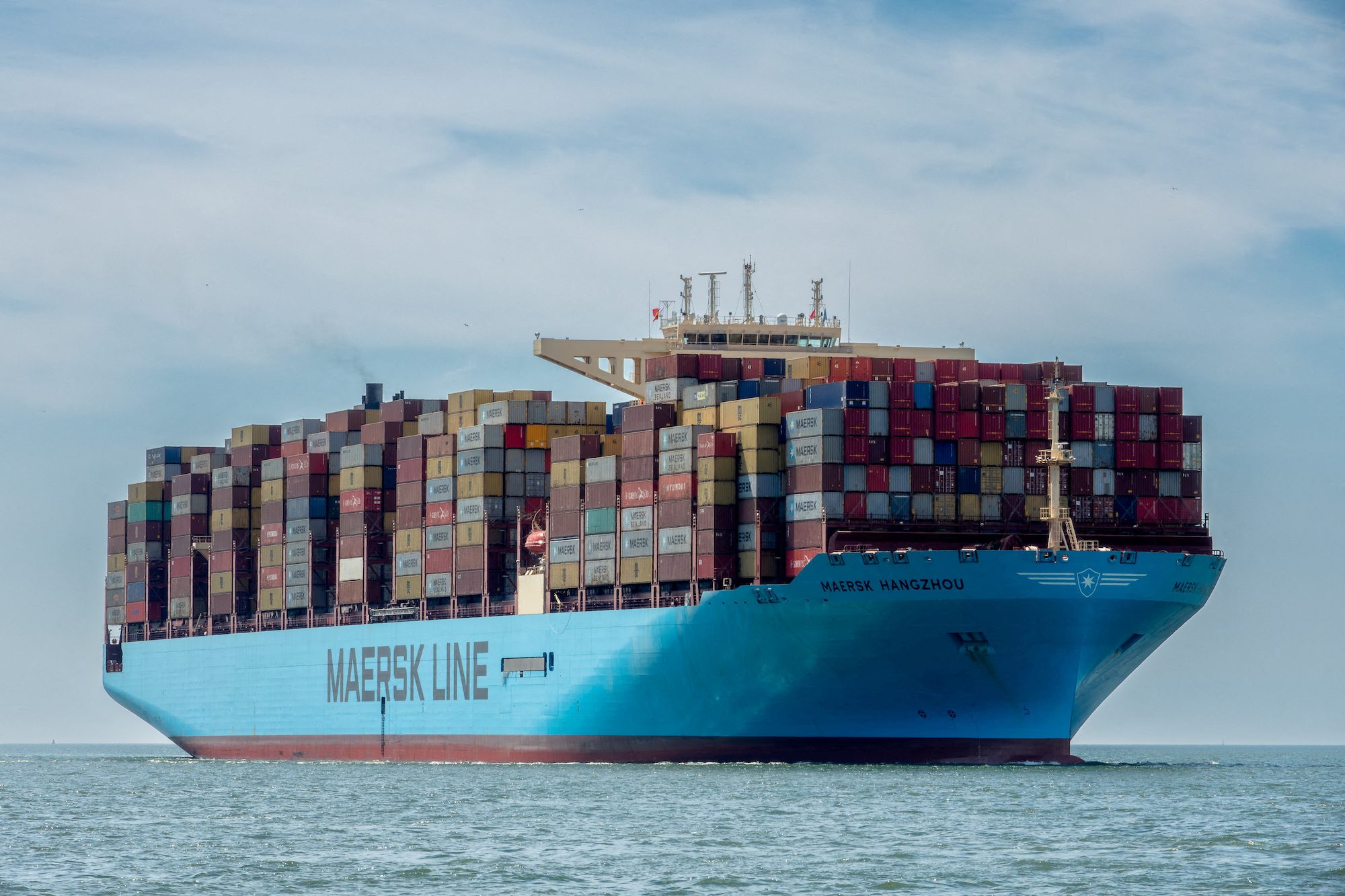
Finding new sustainable energy sources such as alcohol, biomethane and ammonia offers the shipping industry its best opportunity for reaching its net-zero carbon goals, according to a new study presented by A.P. Moller – Maersk and Lloyds Register.
The study looked at current and projected fuel sources to find the best-positioned fuels for research and development.
“The main challenge is not at sea but on land,” explains Søren Toft, Maersk Chief Operating Officer. “Technology changes inside the vessels are minor when compared to the massive innovative solutions and fuel transformation that must be found to produce and distribute sustainable energy sources on a global scale. We need to have a commercially viable carbon neutral vessel in service 11 years from now.”
Maersk has set a goal of becoming carbon neutral, i.e. net zero carbon, by the year 2050. The goal will require the development of a commercially viable net zero C02 emission vessel as soon as 2030.
According to Maersk and Lloyds Register, batteries and fuel cells are unlikely to have an immediate role in powering commercially-viable ocean-going vessels that are carbon neutral. However, the three fuels previously mentioned – alcohol, biomethane and ammonia – could be the answer. While all three have relatively similar cost projections, each offers different challenges and opportunities to widespread adoption which will need to be addressed.
“It is too early to rule anything out completely, but we are confident that these three are the right places to start,” said Toft. “Consequently, we will spend 80% of our focus on this working hypothesis and will keep the remaining 20% to look at other options.”
In April 2018, IMO’s Marine Environment Protection Committee (MEPC) adopted an initial strategy for the reduction of GHG emissions from ships, which envisions a 50 percent reduction in shipping’s total GHG emissions by 2050 compared to 2008 levels. The strategy was described as a first step in the pathway to the decarbonizing the shipping industry.
“The next decade requires industry collaboration as shipping considers its decarbonization options and looks closely at the potential of fuels like alcohol, biomethane and ammonia,” says LR CEO Alastair Marsh. “This joint modeling exercise between Lloyd’s Register and Maersk indicates that shipowners must invest for fuel flexibility and it is also clear that this transition presents more of an operating expenditure rather than capital expenditure challenge.”
Updated: November 18, 2020 (Originally published October 24, 2019)
Editorial Standards · Corrections · About gCaptain

 Join The Club