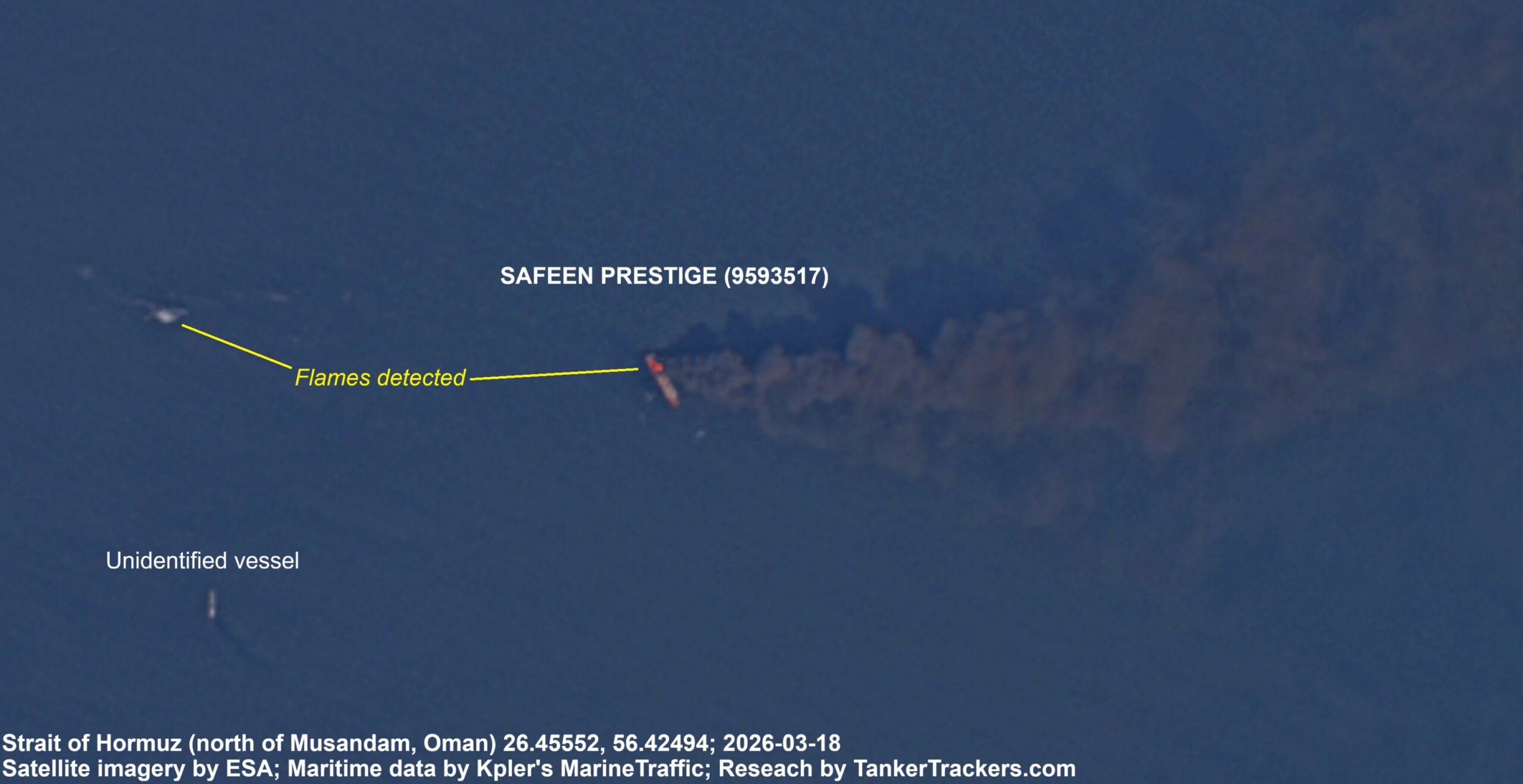
A containership already at the center of one of the deadliest incidents in the Strait of Hormuz crisis may have been struck again, with early reports indicating the vessel is now burning following a possible overnight attack.
According to maritime intelligence firm TankerTrackers, the Egyptian-owned, Maltese-flagged containership Safeen Prestige “may have been struck again,” adding that the vessel appeared to be on fire as of March 18. The firm cautioned that the report could not yet be independently confirmed.
The development comes after a brief lull in confirmed attacks and raises fresh concerns that the campaign targeting commercial shipping in the region is intensifying once again.
Vessel at Center of Escalating Attacks
The Safeen Prestige has already been linked to multiple serious incidents since the outbreak of hostilities in late February.
On March 4, the vessel was struck by an unknown projectile while transiting eastbound approximately two nautical miles north of Oman. The impact ignited a fire in the engine room and forced the crew to abandon ship, according to maritime security reports and UKMTO advisories.
Just two days later, on March 6, a tug assisting the damaged vessel was hit by additional projectiles in the same area. The attack killed at least four seafarers and left several others seriously injured, marking one of the deadliest incidents involving commercial shipping in the current conflict.
The International Maritime Organization warned at the time that civilian mariners were increasingly being caught in the crossfire as the Strait of Hormuz deteriorates into an active conflict zone.
“Lull” in Attacks Appears Short-Lived
The latest reported incident comes despite a recent Joint Maritime Information Center (JMIC) advisory noting no confirmed vessel attacks since March 12.
Even so, the JMIC warned the regional maritime threat level remains CRITICAL, citing more than 20 incidents since the start of hostilities and widespread operational disruption across the Arabian Gulf, Strait of Hormuz, and Gulf of Oman. Vessel traffic through the strait has collapsed to just a handful of daily transits—down more than 95% from normal levels—as shipowners avoid the area.
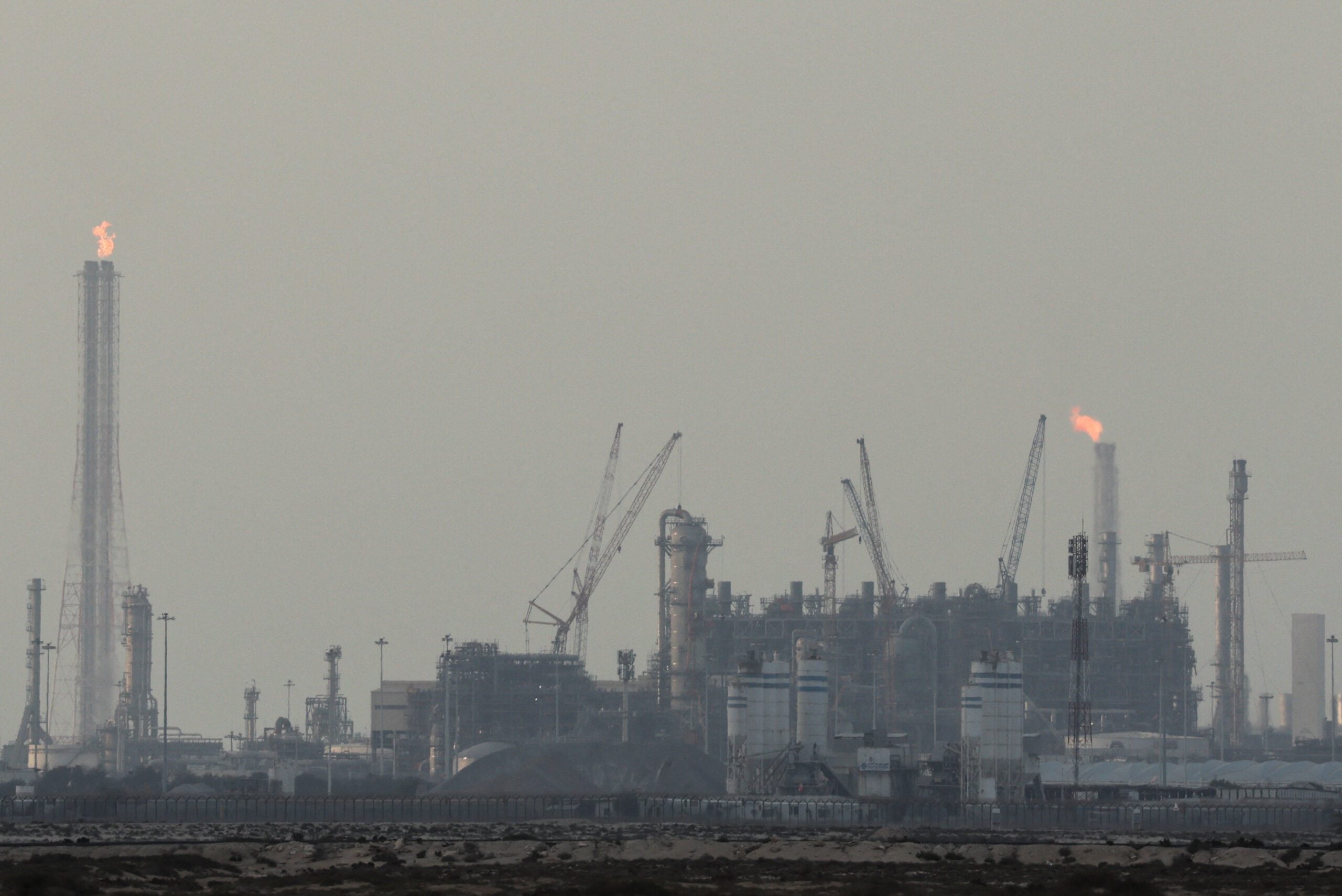
New data suggests the pause may already be over. The United Kingdom Maritime Trade Operations (UKMTO) reported two additional maritime security incidents between March 18 and March 19, including a vessel struck by an unknown projectile east of Khor Fakkan, UAE, causing a fire onboard, and another vessel hit west of Ras Laffan, Qatar. While no casualties were reported, the incidents underscore the continued volatility of the region.
Broad-Based Threat to Commercial Shipping
Security analysts say the pattern of attacks—targeting a wide range of vessel types across multiple locations—suggests a campaign aimed at widespread maritime disruption rather than specific vessels or operators.
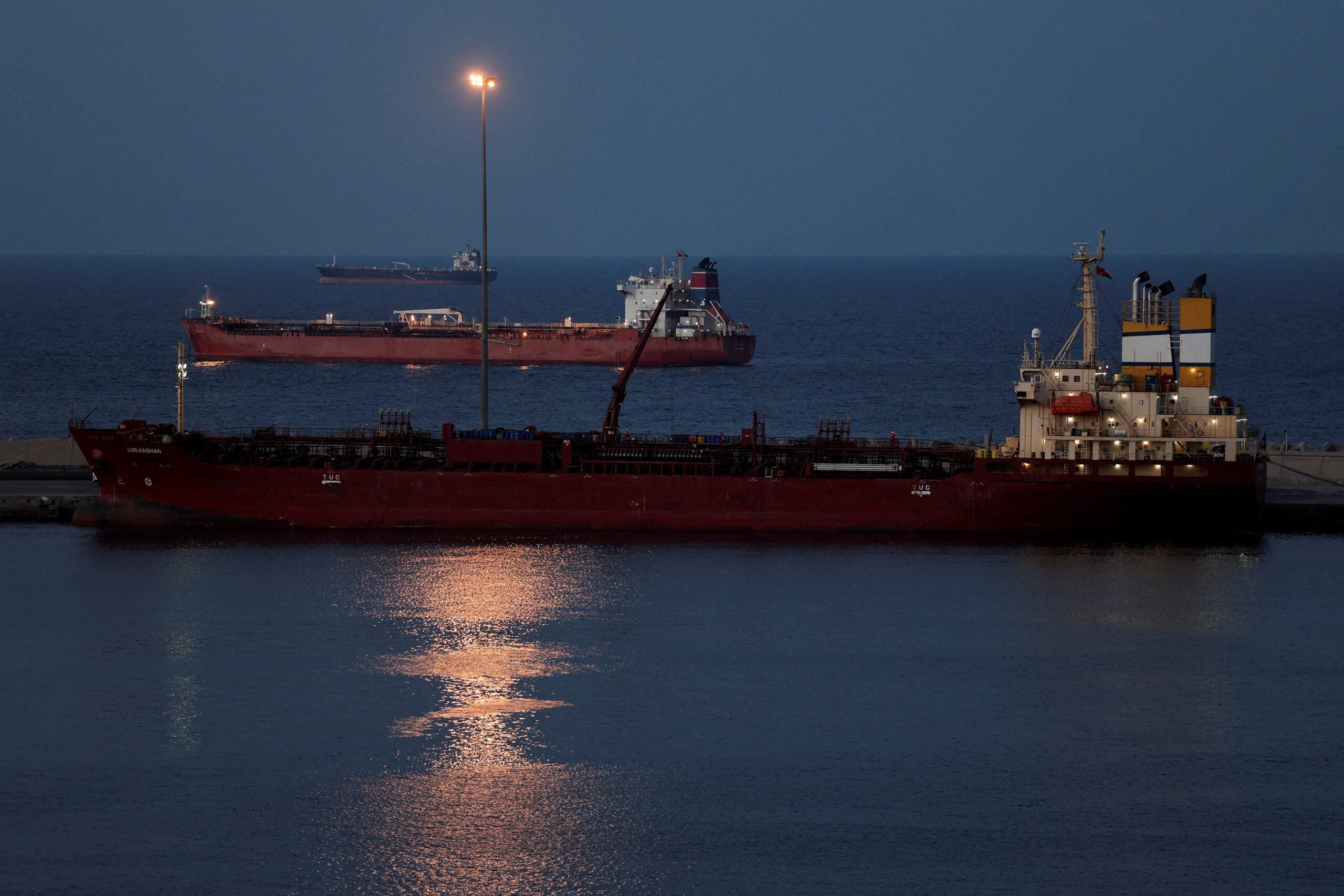
The Strait of Hormuz, which carries roughly one-fifth of the world’s oil supply, has become one of the most dangerous operating environments in global shipping. Thousands of seafarers remain aboard vessels stranded across the region, while insurers, shipowners, and charterers continue to reassess their exposure.
Authorities have not yet confirmed the latest incident, and the vessel’s current condition remains unclear.
Editorial Standards · Corrections · About gCaptain

 Join The Club