(Bloomberg) —
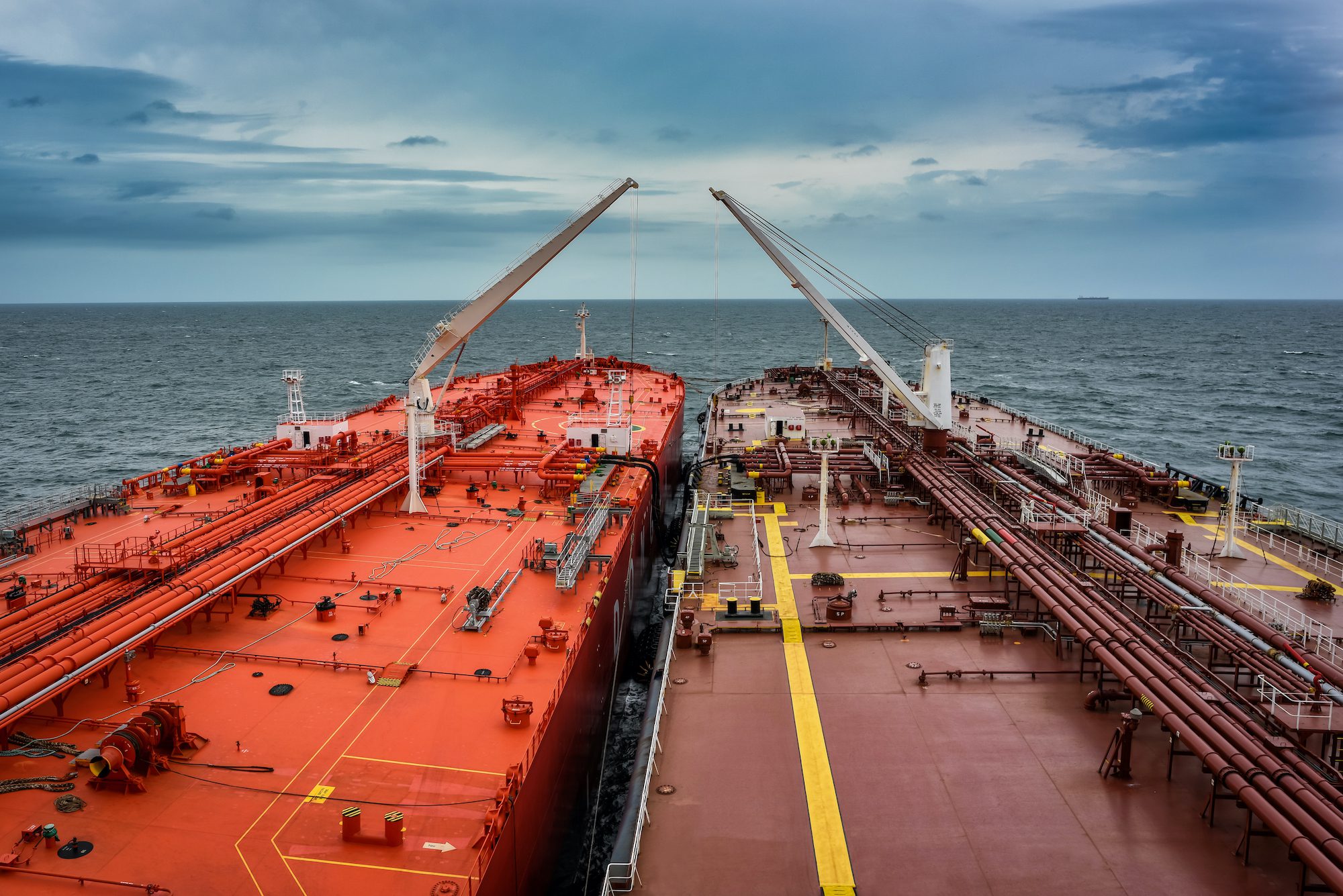
Russia’s flagship crude oil was switched between tankers off the coast of a Spanish enclave in north Africa after a four-month hiatus in the activity.
The Tiburon, Spanish for shark, collected about 100,000 metric tons of Urals crude originally loaded at the Baltic Sea port of Ust-Luga from a similar-sized vessel, the Lucia, over the past week.
The switch, the first since early April, revived a logistical exercise that was critically important for Russia’s petroleum supply chain in the aftermath of a European Union ban on purchases of crude oil from its one-time trading partner that began late last year.
Western sanctions on Russia — as well as the EU’s imports ban and a Group of Seven nations imposed price cap — coincided with some contorted shipping movements to enable the country’s barrels to continue to flow.
Western firms aren’t allowed to provide services including shipping and insurance if the oil costs more than $60 a barrel.
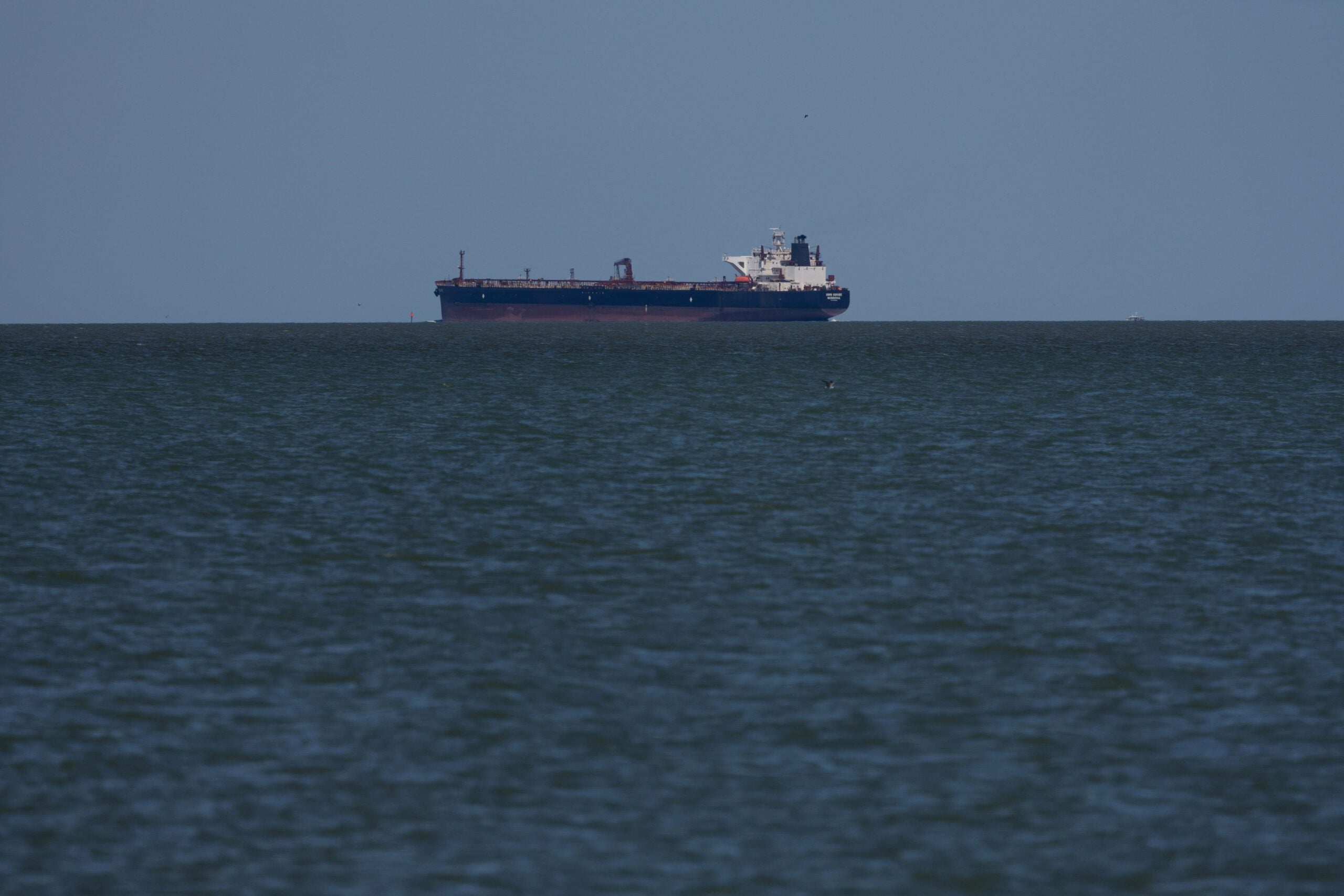
The Tiburon is now sailing toward Egypt’s Suez Canal but not showing its final destination. The main Asian buyers are in China and India. The Lucia is headed back in the direction of the Baltic Sea.
The Lucia was built in 2003 and the Tiburon two years later, meaning both carriers are relatively old.
© 2023 Bloomberg L.P.

 Join The Club