Jim Rogers is seriously concerned about the impact of continual and expansive monetary policy coordinated by central banks around the globe. We have even seen the Chinese central bank conduct an “Unofficial Economic Stimulus” in the past two months.
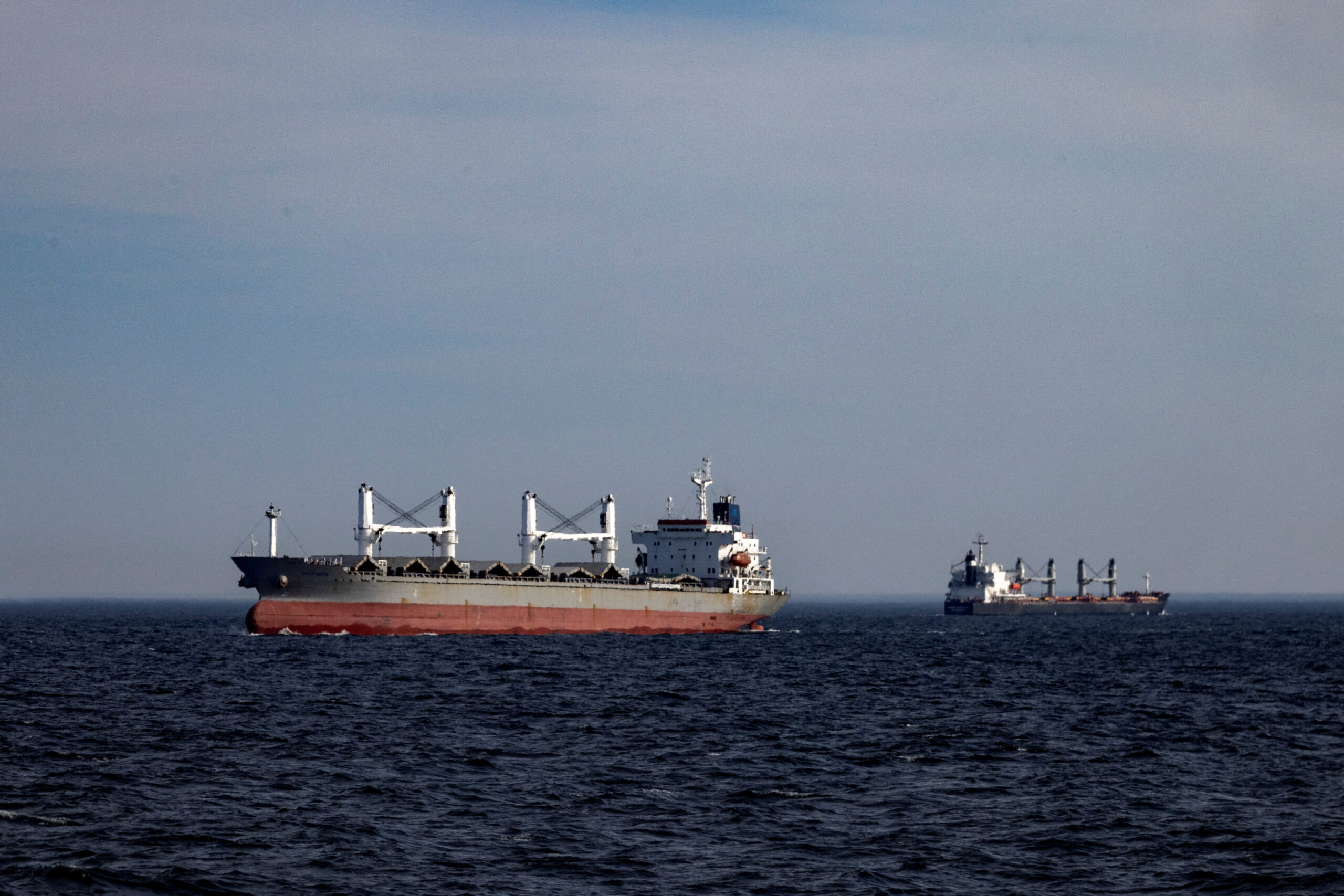
The monetary policies of central banks are currently supporting the shipping industry, enabling shipowners to realize improved rates and higher values on vessels. Whether it is Quantitative Easing (“QE”) by the U.S. Federal Reserve or the stealth “Unofficial Economic Stimulus” by the Chinese central bank, the shipping industry has become dependent upon liquidity being injected into the economic/financial system to survive.
The economic data was so bad, the Chinese central bank felt required to act.
In fact the latest round done by China to stimulate the further development of “Ghost Cities” and “Ghost Infrastructure Projects” was critical to the short-term revival in dry bulk shipping rates.
We expect the impact to be short-lived and shipping rates will again begin to trend lower in short order. In the meantime, the number of dry bulk ships that continue to be delivered is substantive. The only thing an economic stimulus really does for shipping is delay scrappings and potentially reduces slow steaming (note: two material negative impacts on shipping rates).
Shipping is not immune when the “Sea of Money Ends.” The problem is shipowners will have built excess fleet capacity causing valuations to be destroyed and financial institutions that have not de-levered, will have significant problems holding shipping assets.
Twenty-two seafarers remain missing after the Panama-flagged bulk carrier Ocean Winner sank in the Bay of Bengal, triggering a major search and rescue operation involving the Indian Coast Guard and passing merchant...
The long-term safety record for bulk carriers continues to improve, but the industry faces an increasingly complex risk environment that extends beyond traditional operational hazards, according to INTERCARGO’s latest casualty...
July 7, 2026
Total Views: 1071
Get The Industry’s Go-To News
Subscribe to gCaptain Daily and stay informed with the latest global maritime and offshore news
— just like 106,969 professionals
Secure Your Spot
on the gCaptain Crew
Stay informed with the latest maritime and offshore news, delivered daily straight to your inbox
— trusted by our 106,969 members
Your Gateway to the Maritime World!
Essential news coupled with the finest maritime content sourced from across the globe.

 Join The Club