A joint venture between a leading global methanol producer and one of the world’s largest tanker shipping companies has taken delivery of their first methanol-powered newbuild vessel.
The joint venture, named Proman Stena Bulk, was formed in 2019 as a 50-50 joint venture between Swiss-based methanol Proman and Stena Bulk. The companies confirmed Tuesday that the first methanol-powered newbuild vessel under the partnership has been delivered and is preparing for commercial operation.
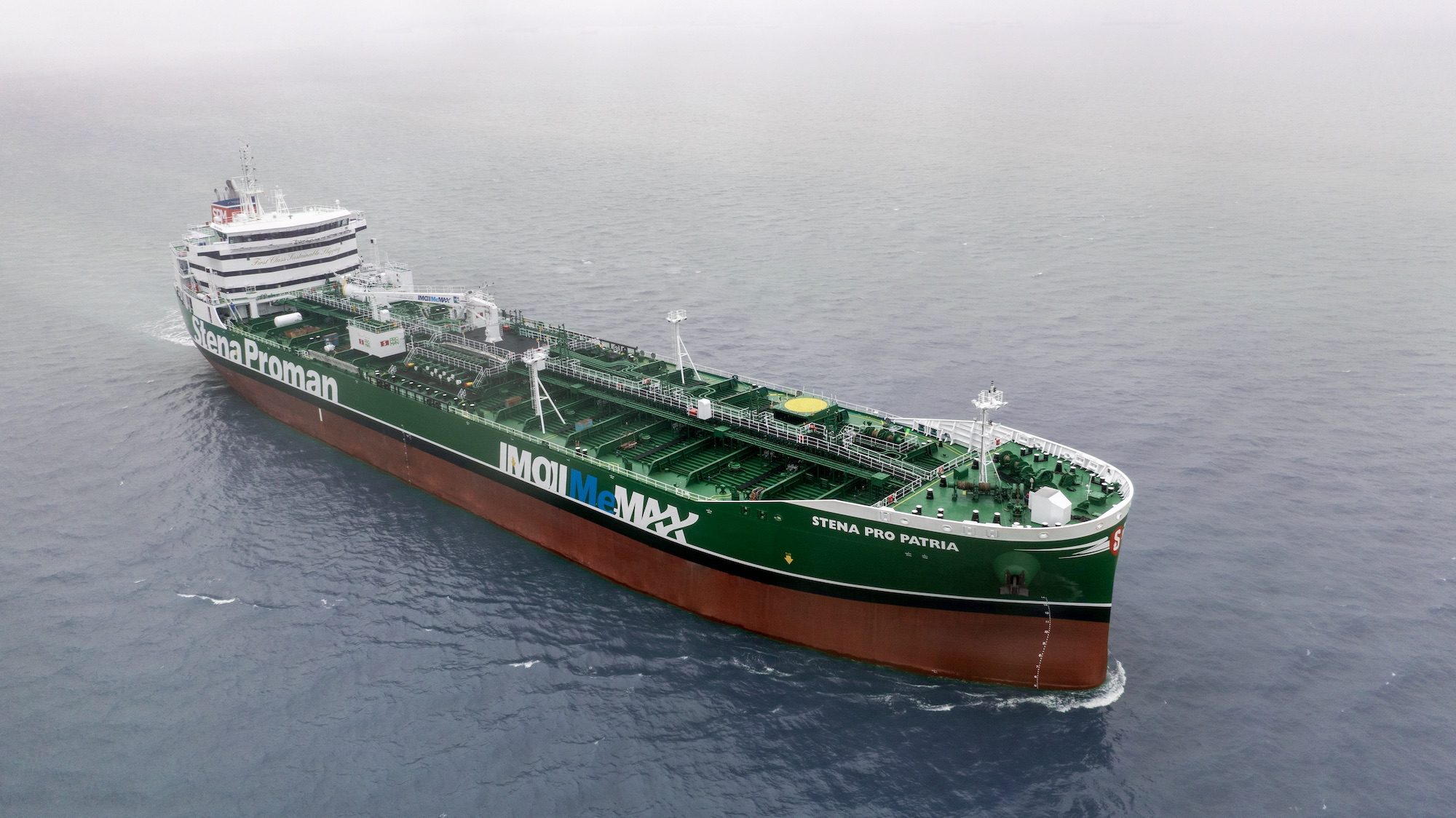
The vessel, Stena Pro Patria, is the first of six state-of-the-art, IMOIIMeMAX dual-fuel mid-range (MR) tankers being built at Guangzhou Shipyard International (GSI) in China. Two more of the vessels, Stena Pro Marine and Stena Promise, are also due for delivery later this year.
The 49,990 DWT Stena Pro Patria will depart the GSI shipyard to load methanol fuel in Ulsan, South Korea, before sailing to Trinidad and Tobago for her official naming ceremony later this year.
Stena Pro Patria is expected to consume 12,500 tonnes of methanol marine fuel per year, helping to virtually eliminate sulphur oxides (SOx) and particulate matter and reduce nitrogen oxides (NOx) emissions by 60% compared to conventional marine fuels, while also reducing carbon emissions.
Proman Stena Bulk says the vessels set a “new benchmark” for MR tanker sustainability ahead of the IMO’s impending EEXI and CII regulations set to begin next year.
“The delivery of the Stena Pro Patria represents a major milestone for the success of our joint venture with Stena Bulk, as well as sends an important message to the market that methanol is a reliable and available marine fuel that can reduce global shipping emissions in the short, medium and long term,” said David Cassidy, Chief Executive of Proman.
Stena Pro Patria features the latest generation MAN dual-fuel engines, with state-of-the-art energy efficiency technology including continually controlled combustion, optimised tuning, redesigned and aerodynamic hull lines, and an energy shaft generator, reducing fuel consumption and helping to meet and go beyond IMO regulations.
“The vessel’s state-of-the-art fuel consumption and engine technology are important steps towards more sustainable shipping,” added Cassidy. “It will be vital as new low-emission fuels emerge to also focus on energy efficiency. We hope today’s news and our continued investment and commitment will encourage others to accelerate their transition to cleaner fuels like methanol, benefitting from immediate emissions savings while also sending out strong demand signals to the market.”
“Today’s delivery is just the beginning of the low-emission methanol transition for our own vessels, and moving forward, for third-party shipping companies too,” said Anita Gajadhar, Managing Director at Proman Shipping, which will operate the vessel. “This is a continuation of our journey to develop methanol’s huge potential in the global energy transition and showcases our ongoing commitment to the decarbonisation of the shipping industry.”
Erik Hånell, President and CEO of Stena Bulk commented: “It is only through collaboration and partnership that we can meet our climate goals. Today’s announcement of a jointly built methanol-powered vessel coming into commercial use is a great example of our successful partnership with Proman, and we hope the first of many major milestones.
“As a company we strive to be a first mover by sending out positive messages that new advanced fuels, as well as technological energy efficiency advancements, are available today. Stena Pro Patria is testament to that,” Hånell added.
The latest session of the IMO’s Pollution Prevention and Response Sub-Committee didn’t deliver sweeping new rules, but beneath the technical drafting work, PPR 13 signaled a clear shift toward performance-based environmental oversight. From biofouling and Arctic black carbon to scrubber discharges and low-load engine certification, the focus is moving beyond installed equipment to how ships are actually operated, maintained, and managed over their full lifecycle.
A coalition of environmental and clean-shipping groups is urging the International Maritime Organization to block any move that would allow ammonia-fueled ships to discharge toxic waste at sea, warning that shipping’s push toward zero-emission fuels must not come at the expense of ocean health.
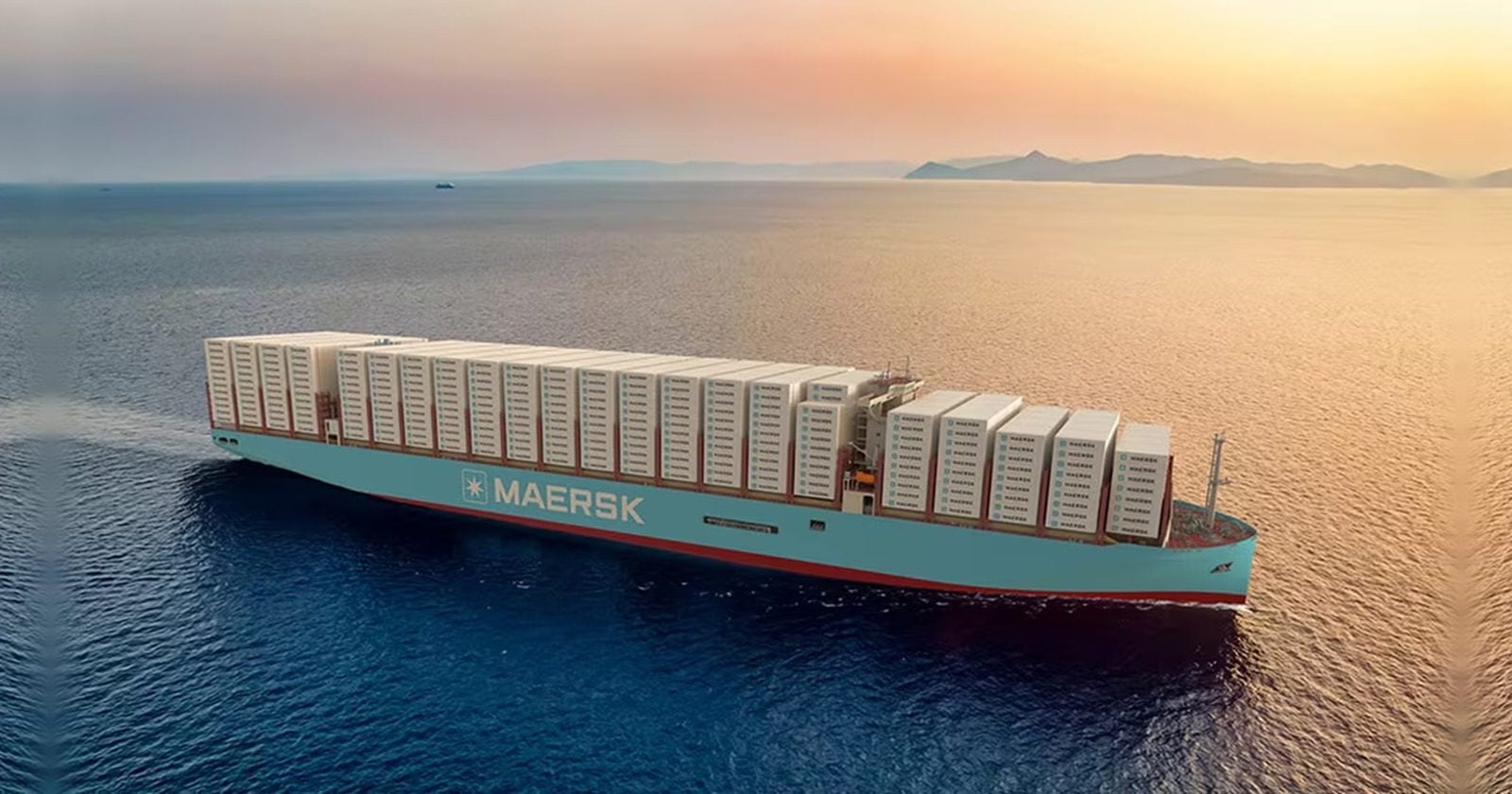
Maersk orders eight 18,600-TEU dual-fuel containerships for 2029-2030 delivery, choosing operational flexibility over megaship scale despite recording its first quarterly loss in years amid freight rate pressure and global overcapacity.
February 9, 2026
Total Views: 1699
Get The Industry’s Go-To News
Subscribe to gCaptain Daily and stay informed with the latest global maritime and offshore news
— just like 107,209 professionals
Secure Your Spot
on the gCaptain Crew
Stay informed with the latest maritime and offshore news, delivered daily straight to your inbox
— trusted by our 107,209 members
Your Gateway to the Maritime World!
Essential news coupled with the finest maritime content sourced from across the globe.

 Join The Club