Don’t Miss Your Daily Briefing for the Maritime Industry
Join the leading maritime news network
— trusted by our 107,412 members
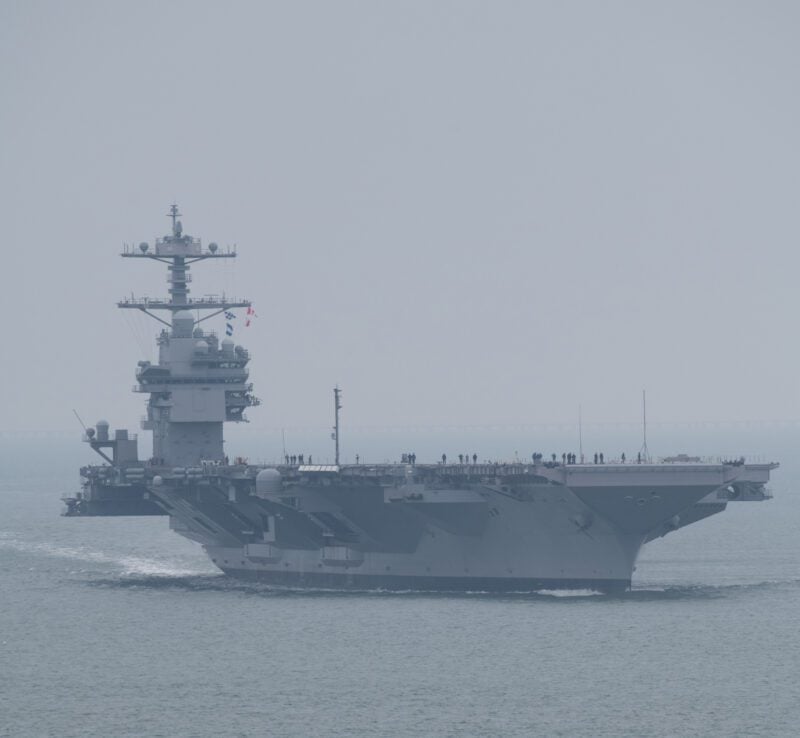
The future USS John F. Kennedy (CVN 79) departs Newport News Shipbuilding under escort during its first Builder’s Sea Trials, marking the carrier’s initial voyage at sea. Photo: Photo: Ricky Thompson/HII
Photos: U.S. Navy’s Next Supercarrier Completes First Sea Trials, Clearing Major Ford-Class Hurdle
The future USS John F. Kennedy completed its first Builder’s Sea Trials on Wednesday, marking a major milestone for the U.S. Navy’s second Gerald R. Ford-class aircraft carrier as the ship moves closer to fleet delivery.
The initial at-sea tests brought together sailors from the ship’s pre-commissioning unit, shipbuilders from Newport News Shipbuilding, a division of Huntington Ingalls Industries, and personnel from multiple Navy commands. The trials focused on evaluating key systems and technologies during the ship’s first underway period.
“Seeing this Navy-industry team take CVN 79 to sea for the first time was nothing short of thrilling,” said Rear Adm. Casey Moton, program executive officer for aircraft carriers. He credited the effort of workers across the U.S. maritime industrial base for moving the carrier one step closer to delivery.
Before departing the shipyard, Kennedy completed a five-day “fast cruise,” a pierside evolution designed to simulate underway operations and transition the crew into an operational mindset.
“There are millions of fingerprints contributing to this successful sea trial,” said Capt. Doug Langenberg, commanding officer of the Pre-Commissioning Unit John F. Kennedy. “This moment reflects years of shared effort between our shipbuilders and the crew bringing the ship to life.”
Newport News Shipbuilding Vice President Derek Murphy described the trials as a key validation of the yard’s work. “Taking Kennedy to sea is a testament to the grit and determination of the world’s finest shipbuilders,” he said, adding that CVN 79 represents a critical national security asset.
As the second carrier in the Ford class, Kennedy incorporates design changes aimed at improving survivability, boosting combat capability, and reducing total ownership costs over a projected 50-year service life. Enhancements include a new nuclear power plant, increased electrical generation capacity, improved efficiency, and reduced crew requirements.
With Builder’s Trials complete, work will now resume at the shipyard to address any issues identified during testing. The next major milestone will be Acceptance Trials, though the schedule remains under review.
“We’re making steady progress toward completing the ship with all required capability,” said Capt. Mark Johnson, program manager for Ford-class new construction. “Our focus remains delivering the Navy’s next aircraft carrier on the fastest possible path to combat readiness.”
The USS John F. Kennedy (CVN 79) is expected to be delivered to the U.S. Navy in 2027.
More Photos:
The future USS John F. Kennedy (CVN 79) departs Newport News Shipbuilding under escort during its first Builder’s Sea Trials. Photo: Ricky Thompson/HIIThe future USS John F. Kennedy (CVN 79) underway during its first Builder’s Sea Trials, marking the aircraft carrier’s initial voyage at sea. Photo: Photo: Ricky Thompson/HIIThe future USS John F. Kennedy (CVN 79) underway during its first Builder’s Sea Trials, marking the aircraft carrier’s initial voyage at sea. Photo: Photo: Ricky Thompson/HII
U.S. Energy Secretary Chris Wright has deleted a social media post claiming that the United States Navy successfully escorted an oil tanker through the Strait of Hormuz, raising fresh questions about whether naval convoy operations...
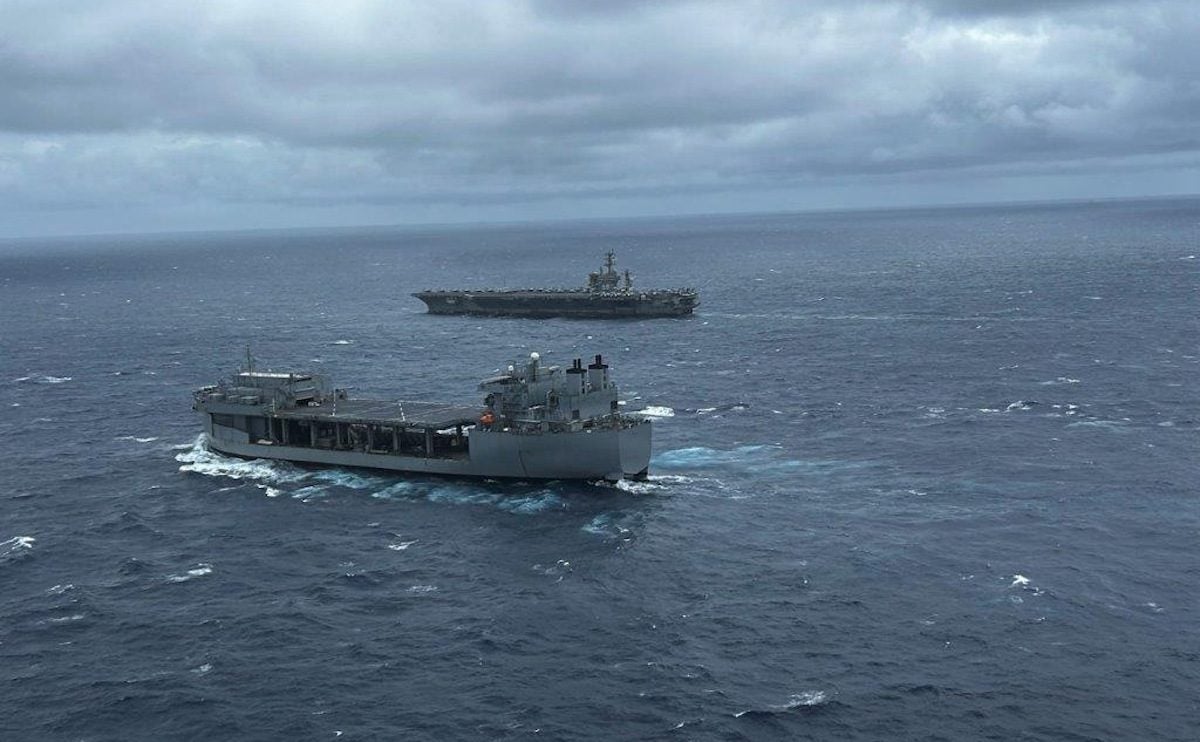
General Dynamics NASSCO has christened USNS Hector A. Cafferata Jr. (ESB 8) in San Diego, marking the sixth and final vessel in the U.S. Navy’s Expeditionary Sea Base (ESB) program and bringing to a...
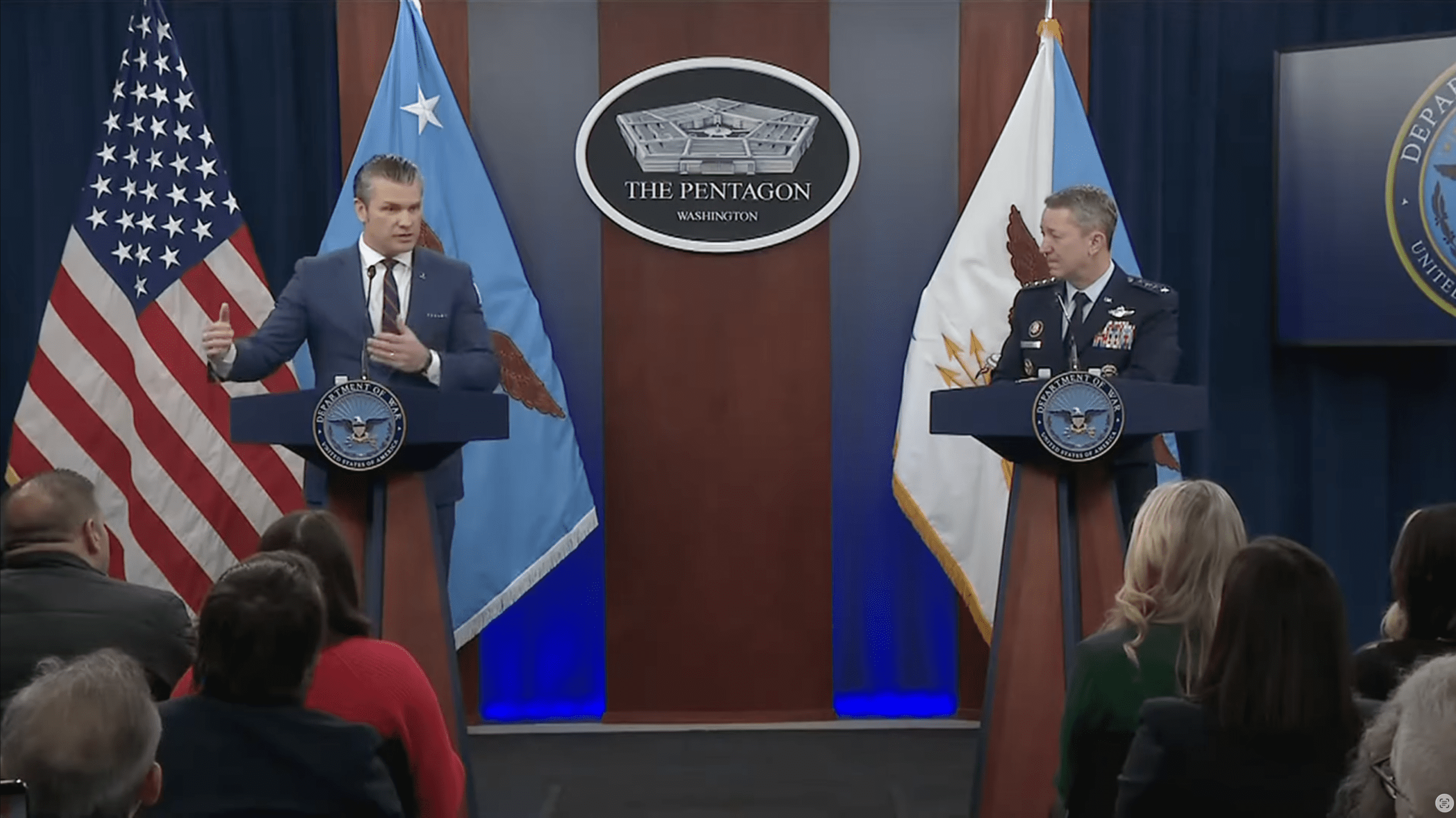
Secretary of War Pete Hegseth stood at the Pentagon press podium this morning and named Iran’s threat to “global shipping lanes” as a core justification for Operation Epic Fury —...
March 2, 2026
Total Views: 2315
Get The Industry’s Go-To News
Subscribe to gCaptain Daily and stay informed with the latest global maritime and offshore news
— just like 107,412 professionals
Secure Your Spot
on the gCaptain Crew
Stay informed with the latest maritime and offshore news, delivered daily straight to your inbox
— trusted by our 107,412 members
Your Gateway to the Maritime World!
Essential news coupled with the finest maritime content sourced from across the globe.

 Join The Club