By Mikhail Flores
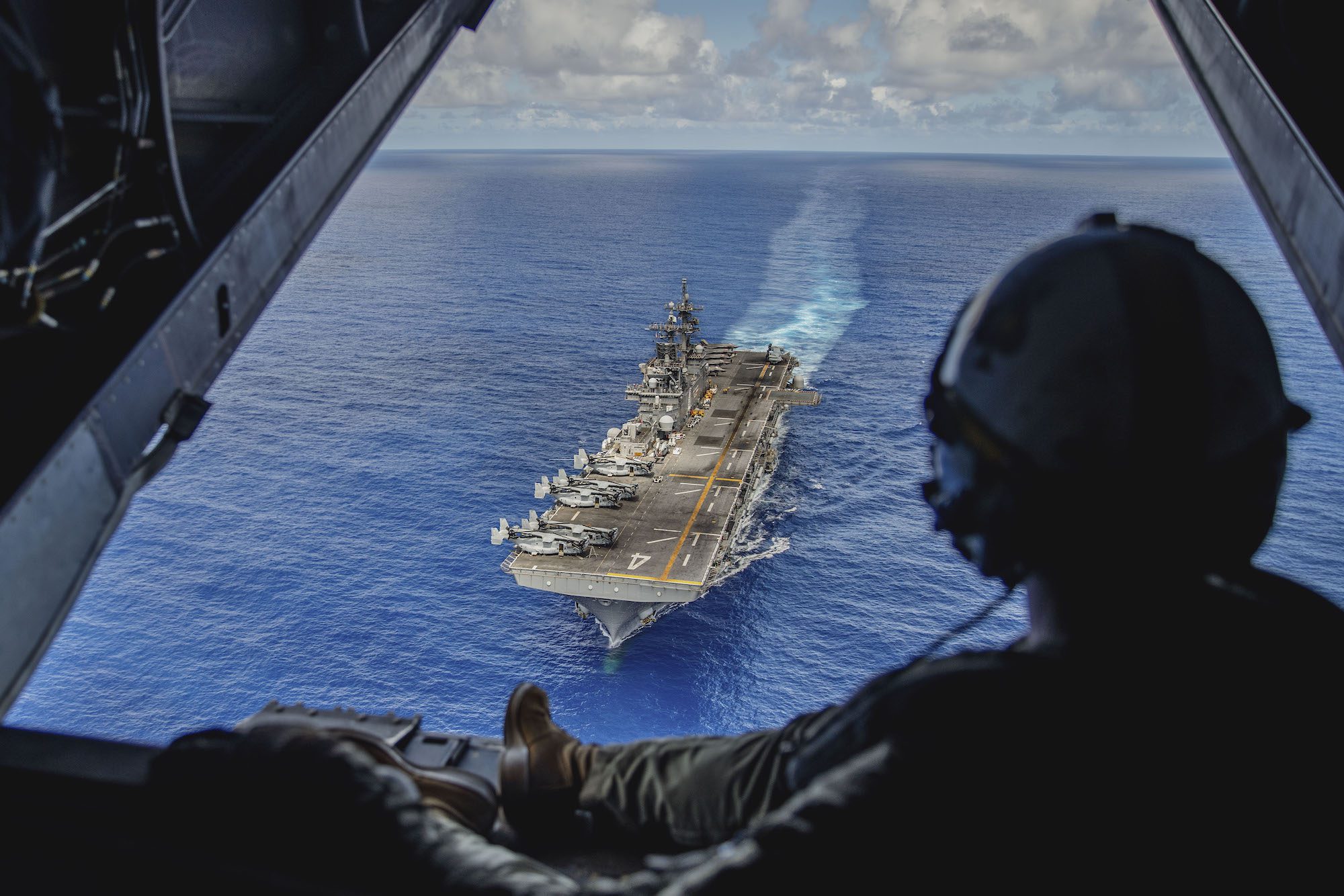
MANILA, April 21 (Reuters) – More than 14,000 Filipino and American soldiers kicked off annual military exercises on Monday for a “full battle test” between the two defense treaty allies in the face of regional security concerns, including tensions in the South China Sea.
The annual “Balikatan” (shoulder-to-shoulder) exercises will run for three weeks until May 9, showcasing an array of U.S. weapons that include the NMESIS anti-ship missile system and HIMARS rocket launchers.
The Philippines will test its own modern missiles in live-fire exercises with American counterparts, according to a summary shared with media.
Lieutenant General James Glynn, the exercise director for the U.S. side, described this year’s drills as “full battle tests” where capabilities of both forces will be measured in multiple scenarios. Exercises include defending against missile threats, preventing invasions at sea, and sinking a decommissioned Philippine navy vessel in a maritime strike test.
“The full battle tests is intended to take into consideration all of the regional security challenges that we face today, beginning in the South China Sea,” Glynn told a media briefing.
About 9,000 U.S. soldiers and 5,000 Filipino troops are participating this year, officials said. Small contingents from Australia, Japan, Britain, France and Canada are also participating and 16 other countries have signed up as observers.
The exercises come as regional tensions simmer in Asia over China’s activities in the South China Sea and around Taiwan, which neighbors the Philippines. Major General Francisco Lorenzo, the exercises director for the Philippines, said the drills were not directed at any country, but could act as deterrent against conflict.
“The Balikatan exercise may probably help deter the conflict in Taiwan. But for our concern, it is only for deterrence of any possible coercion or invasion to our country,” Lorenzo said.
Chinese foreign ministry spokesperson Guo Jiakun on Monday said Beijing firmly opposes any country using Taiwan as an excuse to strengthen regional military deployment and “provoke tension and confrontation.”
“The parties concerned are advised not to provoke on the Taiwan issue, and those who play with fire will burn themselves,” Guo said at a regular briefing.
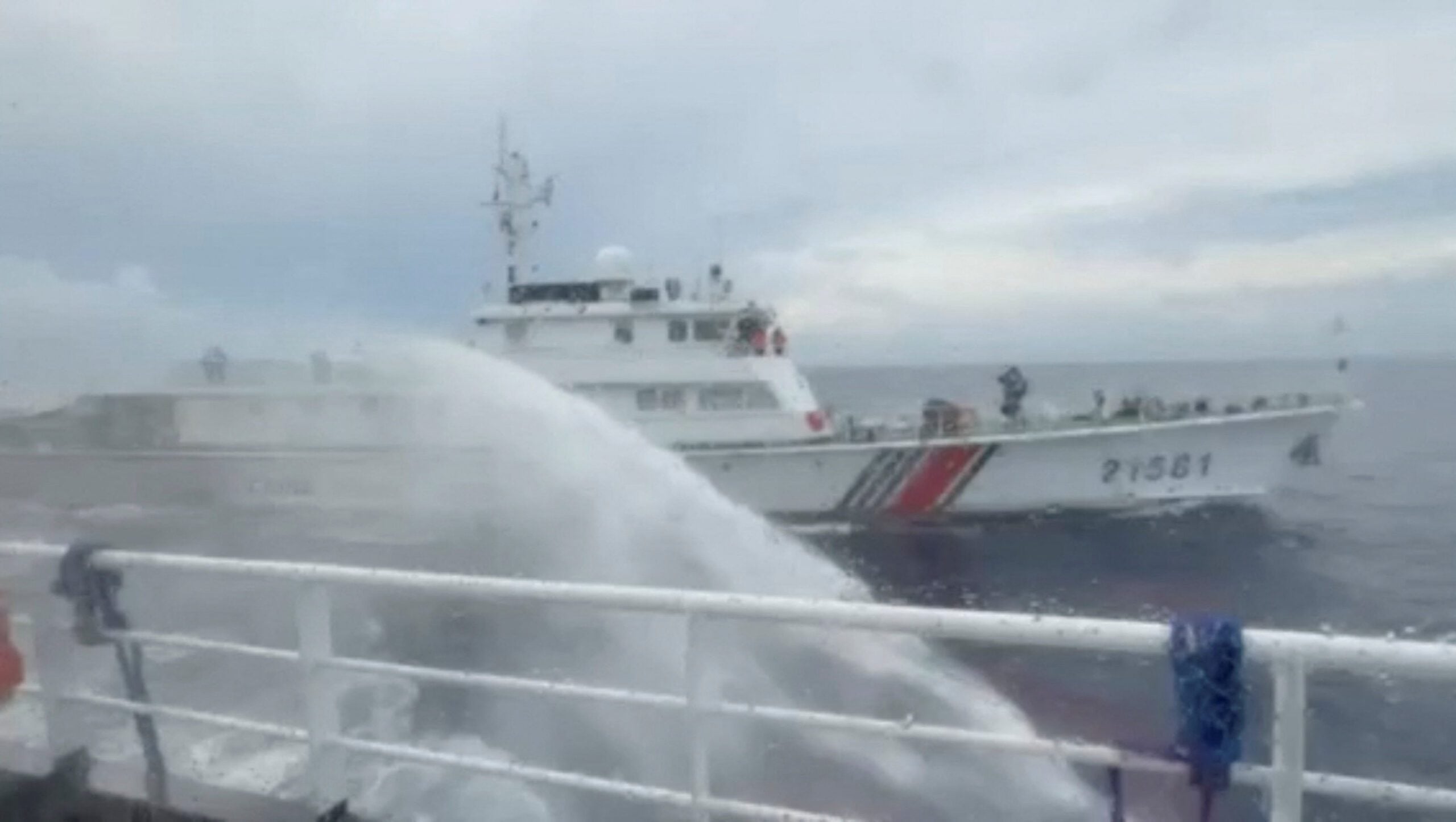
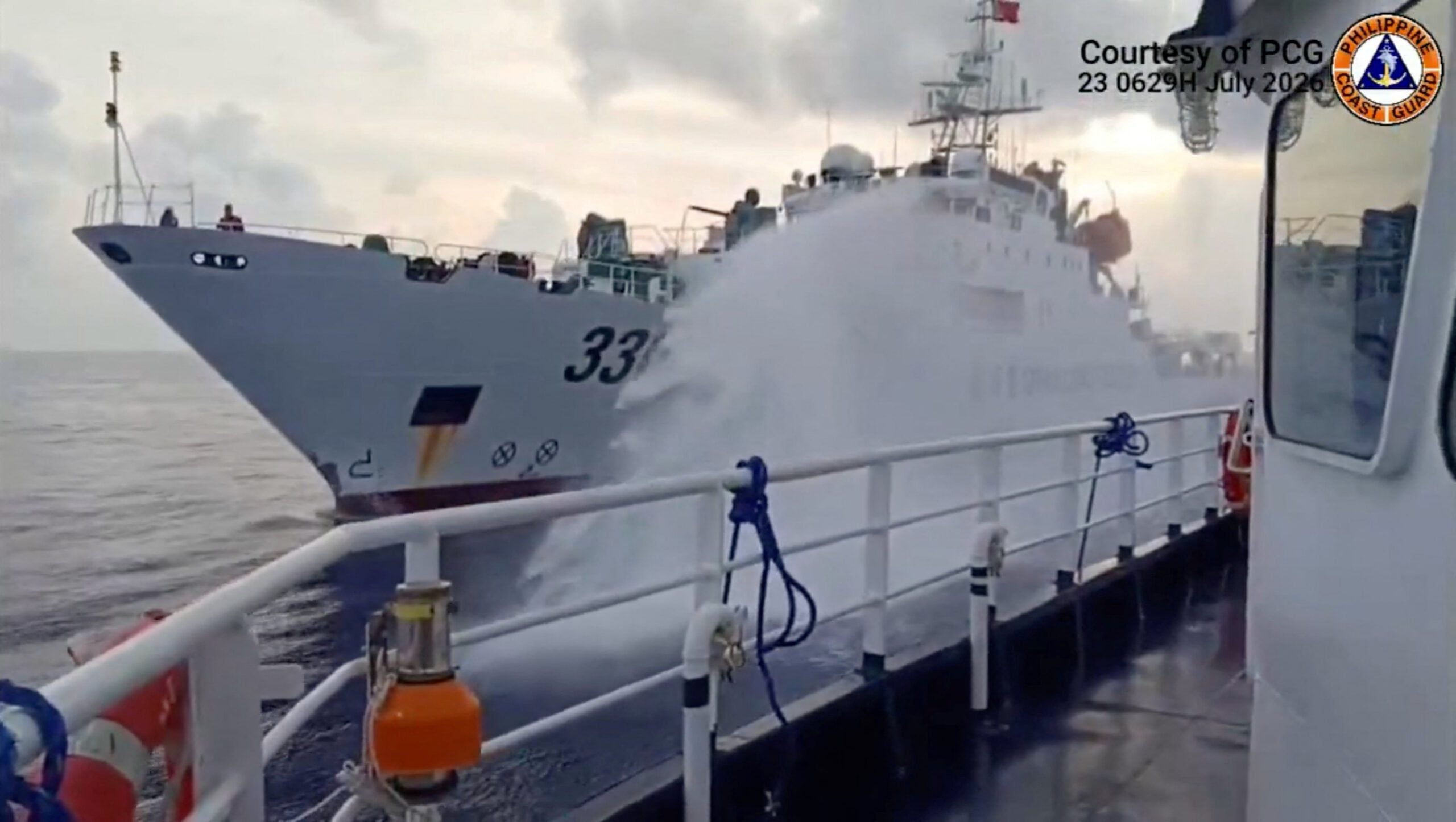
Tensions between China and the Philippines have escalated the past two years over run-ins between their coast guards in the South China Sea, which Beijing claims sovereignty over almost in its entirety.
(Reporting by Mikhail Flores; Additional reporting by Beijing newsroom; Editing by Martin Petty)
(c) Copyright Thomson Reuters 2025.

 Join The Club