MANILA, March 22 – The Philippines has allowed the temporary and limited use of a cheaper but dirtier type of fuel to ensure supply as it finds ways to cope with the impact of the Middle East crisis.
The Department of Energy (DOE) said only vehicles from model year 2015 and earlier, traditional jeepneys, power plants and generators, and the marine and shipping sectors would be allowed to use Euro-II compliant petroleum products.
Read Also: The Oil Shell Game: Peeling Away the Bluster of the Latest Oil Announcements
“The measure is intended to help maintain a continuous, adequate and accessible fuel supply, while allowing limited flexibility for sectors that may be affected,” the DOE said in a statement.
It ordered oil companies that will be offering Euro II fuels to maintain segregation from Euro IV across storage, transport and retail systems.
Manila switched to cleaner Euro-IV compliant fuels from Euro-II in 2016. Euro-IV fuels, which remain in force, have sulphur content of 50 parts per million (ppm) versus 500 ppm for Euro-II fuels.
Last week, thousands of jeepney drivers took to the streets across the country to protest a more than doubling of local diesel prices after global oil prices surged because of the U.S.-Israel war on Iran.
Like many of its Southeast Asian neighbours, the Philippines has taken steps such as shortening the work week and providing fuel subsidies to counter the impact of rising costs. Congress has also granted the president emergency powers to suspend or reduce fuel taxes.
Philippine President Ferdinand Marcos said in a video message on Sunday that the government is talking to India, China, Japan, South Korea, Thailand and Brunei about possible fuel supply arrangements.
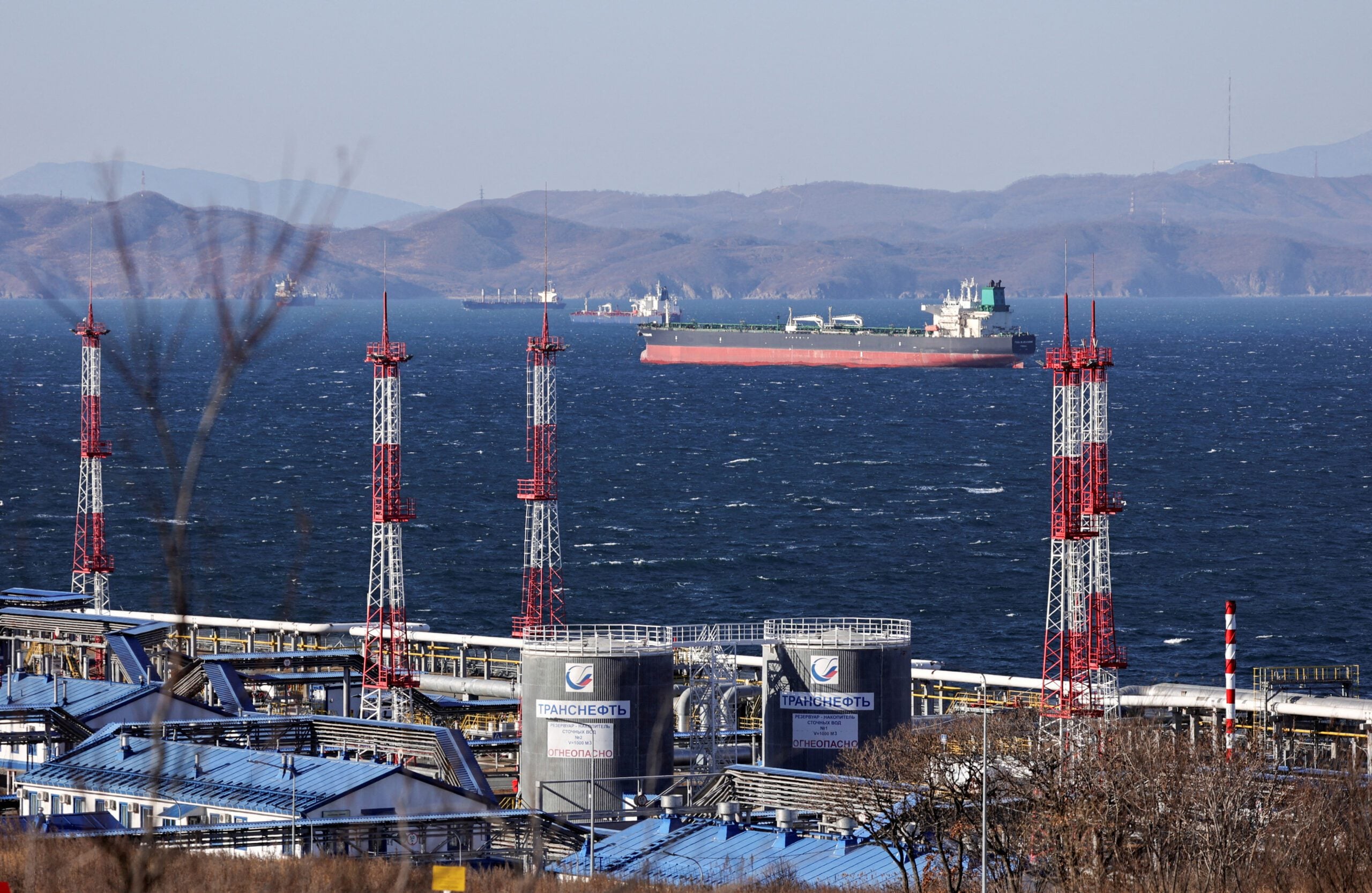
The country, which relies heavily on Middle Eastern oil for fuel needs, is set to import Russian oil this month for the first time in five years.
(Reporting by Karen Lema; Editing by Saad Sayeed)
(c) Copyright Thomson Reuters 2026
Editorial Standards · Corrections · About gCaptain
This article contains reporting from Reuters, published under license.

 Join The Club