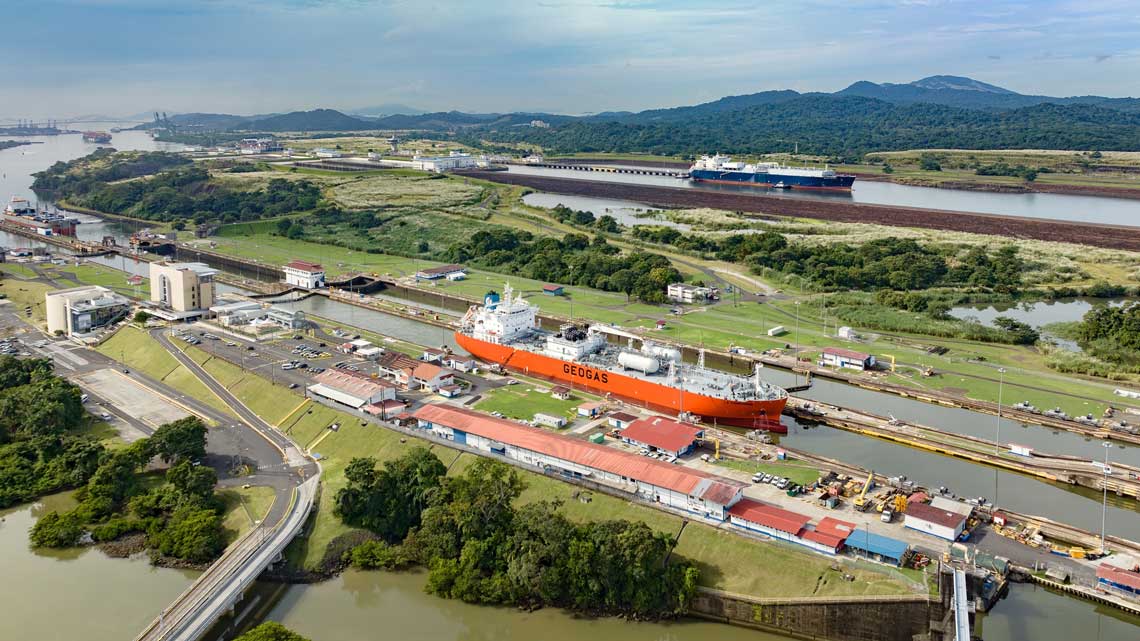
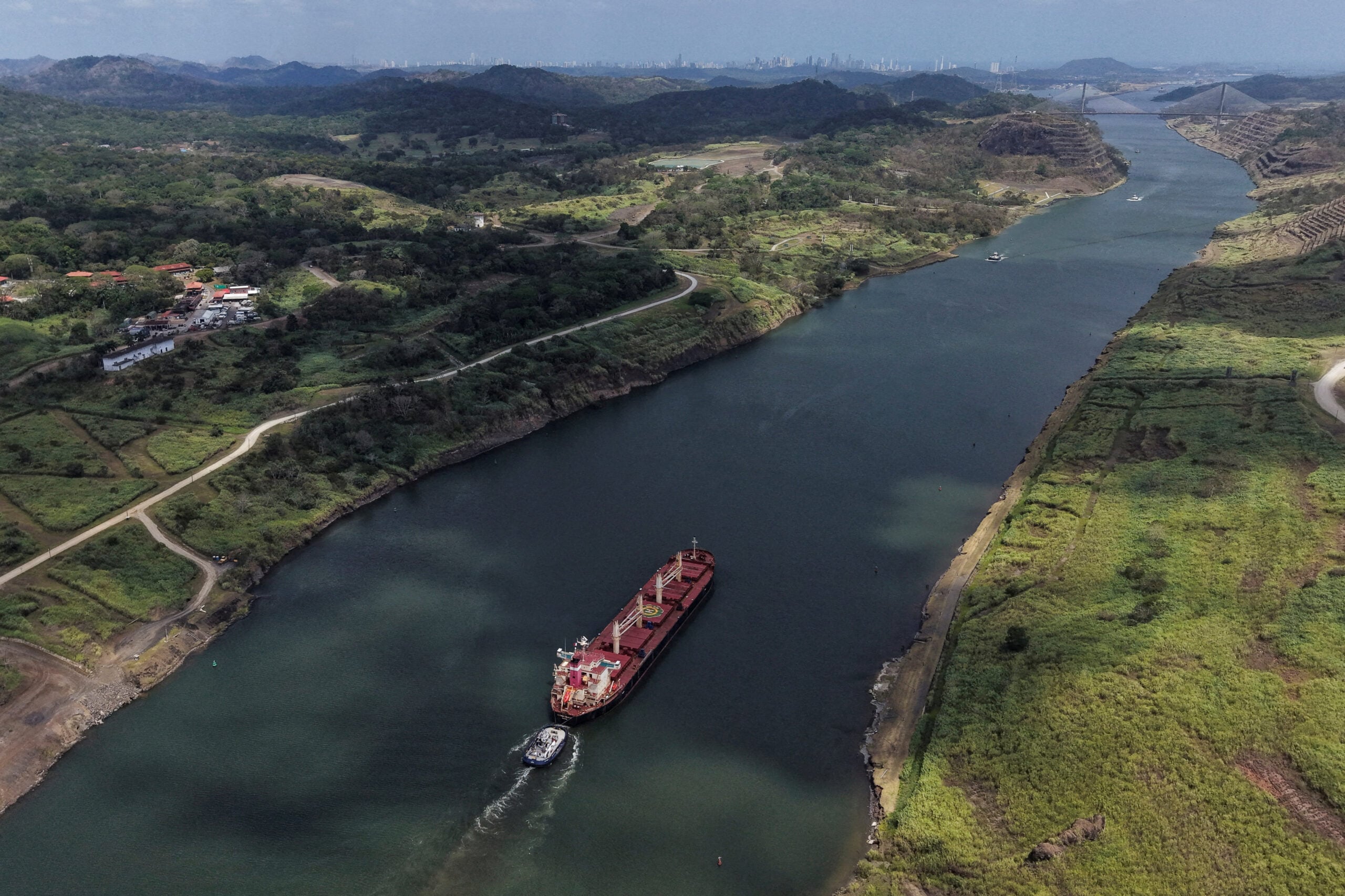
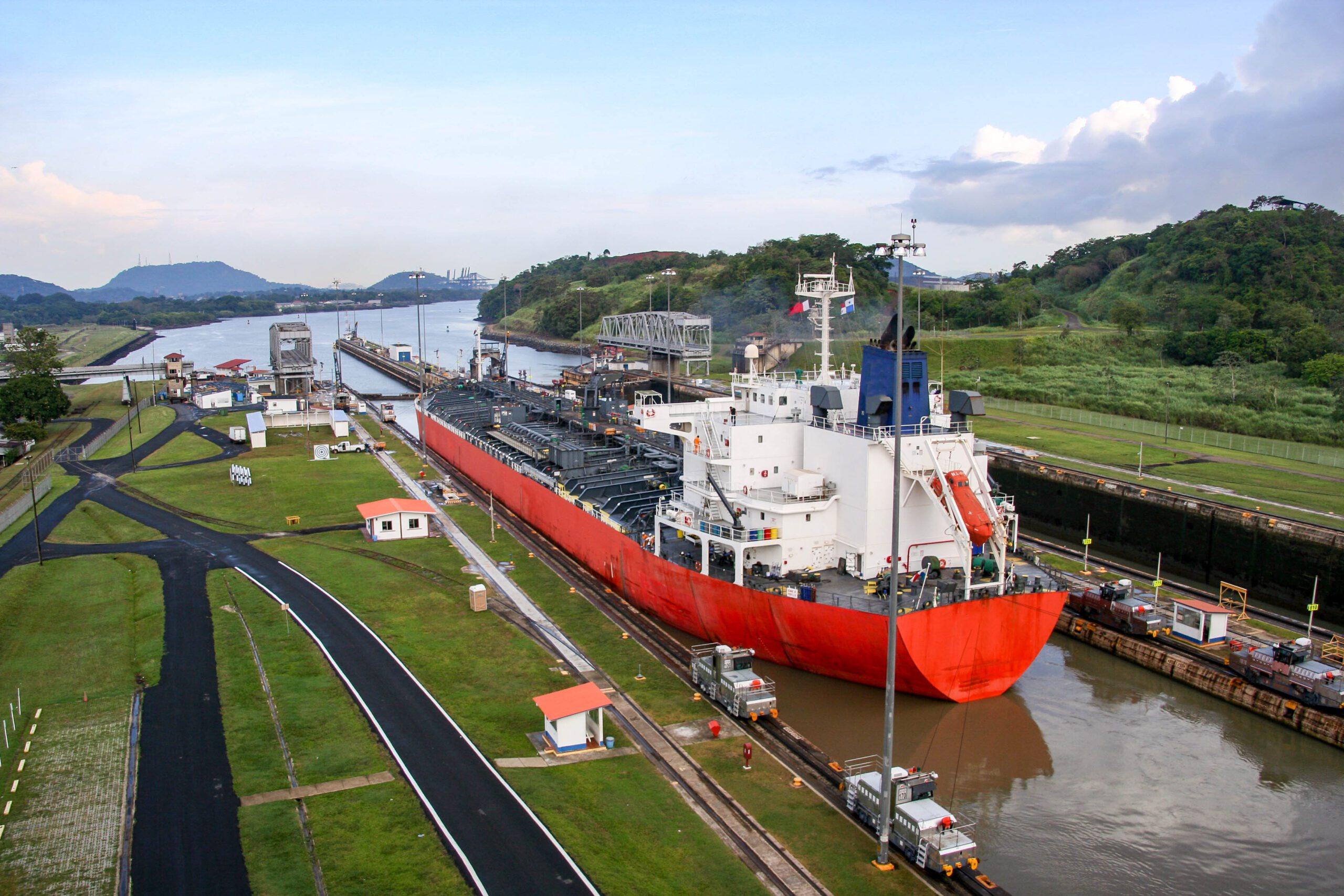
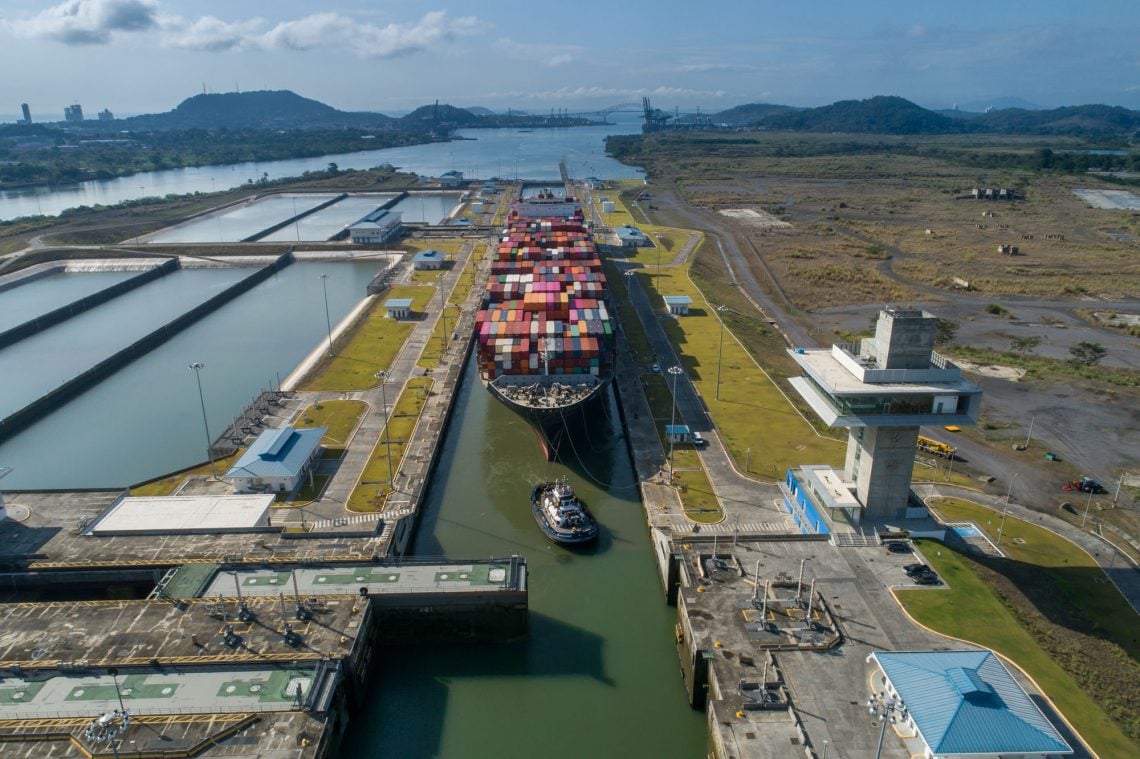
The Panama Canal Authority has announced another increase in the number of daily transits through the waterway’s locks as rainfall returns to the region.
The current number of daily transits will be increased from the current level of 32 to 33, effective from July 11, and will further increase to 34 from July 22, according to the Authority’s new schedule.
The decision comes in light of the current and forecasted water levels in Gatun Lake over the coming weeks, and the arrival of the rainy season in the Panama Canal watershed.
For over a year, the Panama Canal has been operating below capacity due to a severe drought, worsened by a strong El Nino. However, the ACP has been gradually increasing both the number of daily transit numbers and maximum drafts from recent lows of 24 transits and maximum drafts below 44 feet.
The changes bring the canal’s capacity closer to its design specifications of approximately 36 daily transits and a maximum draft of 50 feet.
By July 22, two additional transits will be added, including one transit to the panamax locks, bringing the total to 25 daily transits, and one to the neopanamax locks, increasing to 9 daily transits. Moreover, the canal’s draft limit will be increased from 45 to 46 feet, effective June 15.
The Panama Canal Authority says it continues to monitor weather conditions daily, ready to take necessary operational actions should rainfall in its watershed increase.
Maritime traffic through the Strait of Magellan jumped more than 70% both in August and September from year-ago levels as ships diverted from the drought-stricken Panama Canal, Chilean Navy data requested by Bloomberg show.
The Panama Canal is expanding its long-term transit reservation program to the Panamax locks for the first time, giving more shipping customers the ability to secure passage months in advance...
The Panama Canal is easing restrictions on vessel draft and daily transits after improved rainfall and water-saving measures helped stabilize conditions in the waterway’s drought-sensitive watershed. The Panama Canal Authority said the...
September 28, 2026
Total Views: 2730
Get The Industry’s Go-To News
Subscribe to gCaptain Daily and stay informed with the latest global maritime and offshore news
— just like 106,747 professionals
Secure Your Spot
on the gCaptain Crew
Stay informed with the latest maritime and offshore news, delivered daily straight to your inbox
— trusted by our 106,747 members
Your Gateway to the Maritime World!
Essential news coupled with the finest maritime content sourced from across the globe.

 Join The Club