Don’t Miss Your Daily Briefing for the Maritime Industry
Join the leading maritime news network
— trusted by our 106,433 members
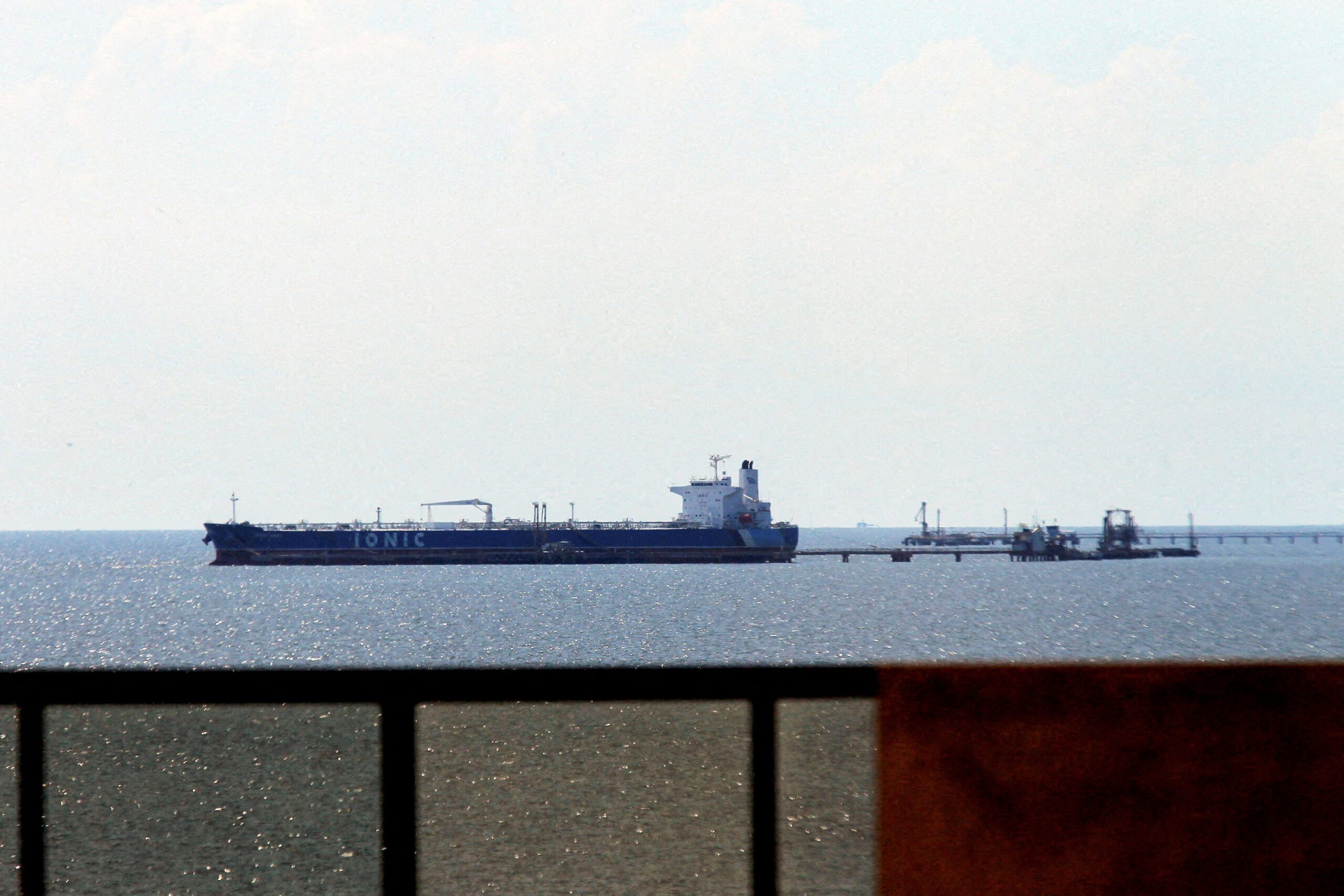
Tankers lined up at Lake Maracaibo to load crude cargoes and depart from Venezuela before a May 27 deadline set by the U.S. to wind down operations and exports, according to documents and data, in Maracaibo, Venezuela April 28, 2025. REUTERS/Stringer
Over 11 Million Barrels of Venezuelan Oil Stuck at Sea After U.S. Tanker Seizure
HOUSTON, Dec 16 (Reuters) – Venezuela’s state-run company PDVSA is dealing with stuck oil cargoes, rising price discounts and demands from customers to change terms of spot contracts following the U.S. seizure of a ship carrying the OPEC country’s crude, traders and sources said.
As Washington’s pressure on President Nicolas Maduro grows, the U.S. Coast Guard last week intercepted the vessel Skipper nearVenezuela’s coast, its first seizure of an oil tanker or cargo from the South American country. The U.S. also imposed sanctions against six ships and their linked companies.
By the time the U.S. moved to seize the vessel, which had carried oil under sanctions from Venezuela and Iran, PDVSA was already struggling to allocate its crude close to contract prices due to a growing flood of sanctioned oil at its main market, China.
PRICE DISCOUNTS TO CHINA WIDEN
But discounts on prices of Venezuela’s flagship Merey heavy crude bound for China have widened to up to $21 per barrel below benchmark Brent prices from between $14 and $15 per barrel last week, two traders and a company source said. They spoke on condition of anonymity due to commercial sensitivity.
Most of the discount increase reflects the rising cost of a “war clause” requested by vessel owners to protect themselves from interceptions, delays or diverted flows due to the ongoing U.S. military presence in the Caribbean.
Since it was first hit with sanctions in 2019, PDVSA has faced even wider price discounts, but the low prices this time come amid intense competition, which is quickly drying up demand for its heavy crudes.
Many customers are asking PDVSA to relax trading requirements, especially the company’s demand that oil cargoes must be prepaid in digital currency to authorize departure. Other clients want to be reimbursed for demurrage, a fee charged for shipping delays, the sources said.
If trading terms are unchanged amid increased risks for customers and shippers to carry oil out of Venezuela, PDVSA could face a flurry of requests for cargo returns, a company source said.
PDVSA did not reply to a request for comment. In a teleconference with workers last week, Venezuela’s Oil Minister Delcy Rodriguez said the company’s operations would not be interrupted by the U.S. actions, the ministry and PDVSA said.
STUCK OR DISCOUNTED
Washington has been trying to cut the economic lifeline of Maduro’s administration, which relies on oil revenue to keep subsidies and government programs running.
This year, China has been the destination of between 55% and 90% of Venezuela’s monthly oil exports, compared with 40%-60% last year. In November, the country exported 952,000 barrels per day of oil, of which 778,000 bpd went to China, according to ship monitoring data.
The increased supply, coupled with rising offers of Russian and Iranian oil at a discount, has left Chinese independent refiners unworried about immediate supplies of Venezuelan crude even amid the U.S. pressure.
But analysts have warned that Venezuelan supplies in China could be reduced in February if tankers currently loaded and waiting inVenezuelan waters are unable to depart.
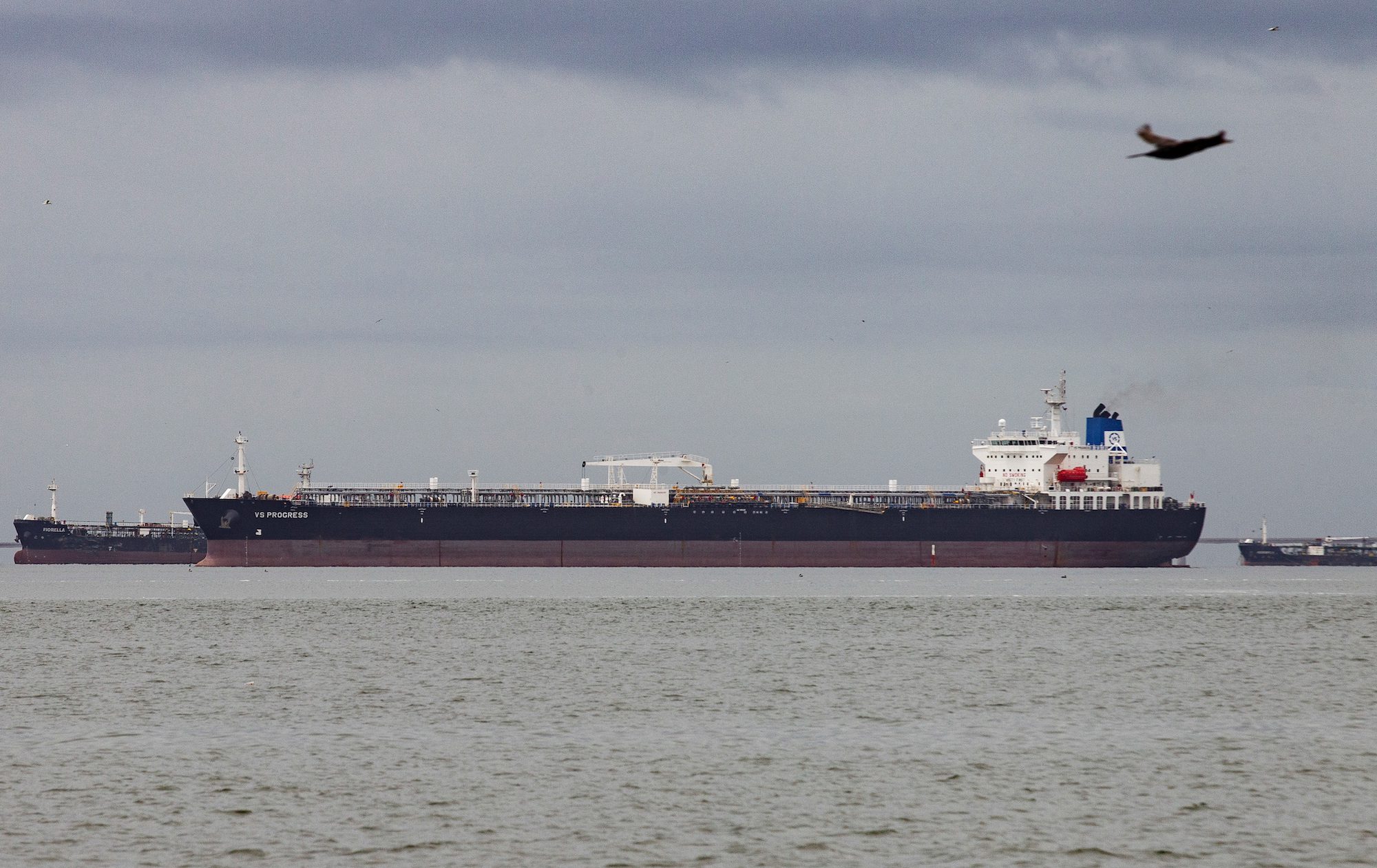
As of this week, more than 11 million barrels of Venezuelan oil were stuck on vessels waiting to leave as traders tried to negotiate further discounts, the sources said.
PDVSA’s main joint venture partner, U.S.-based Chevron, remains the only company exporting crude without delays fromVenezuela, while shippers working with sanctioned vessels have been setting sail in “dark mode,” or with their transponders off, to avoid interceptions.
Adding to the company’s troubles, a cyberattack this week took PDVSA’s administrative systems out of service, forcing a temporary suspension of oil deliveries at its terminals.
(Reporting by Marianna Parraga; editing by Nathan Crooks and Rod Nickel)
The former master of a shadow fleet tanker linked to Iranian and Venezuelan oil shipments has been sentenced to 10 months in federal prison after refusing orders to stop during...
The U.S. Treasury Department on Tuesday unveiled a broad new sanctions framework aimed at reopening significant portions of Venezuela’s energy and mining sectors to U.S. and allied companies, while explicitly...
Venezuela's oil exports rose 14% to 1.23 million barrels per day in April, the highest in more than seven years, fueled by more sales to the United States, India and Europe, shipping data and documents from state company PDVSA showed on Friday.
May 1, 2026
Total Views: 858
Get The Industry’s Go-To News
Subscribe to gCaptain Daily and stay informed with the latest global maritime and offshore news
— just like 106,433 professionals
Secure Your Spot
on the gCaptain Crew
Stay informed with the latest maritime and offshore news, delivered daily straight to your inbox
— trusted by our 106,433 members
Your Gateway to the Maritime World!
Essential news coupled with the finest maritime content sourced from across the globe.

 Join The Club