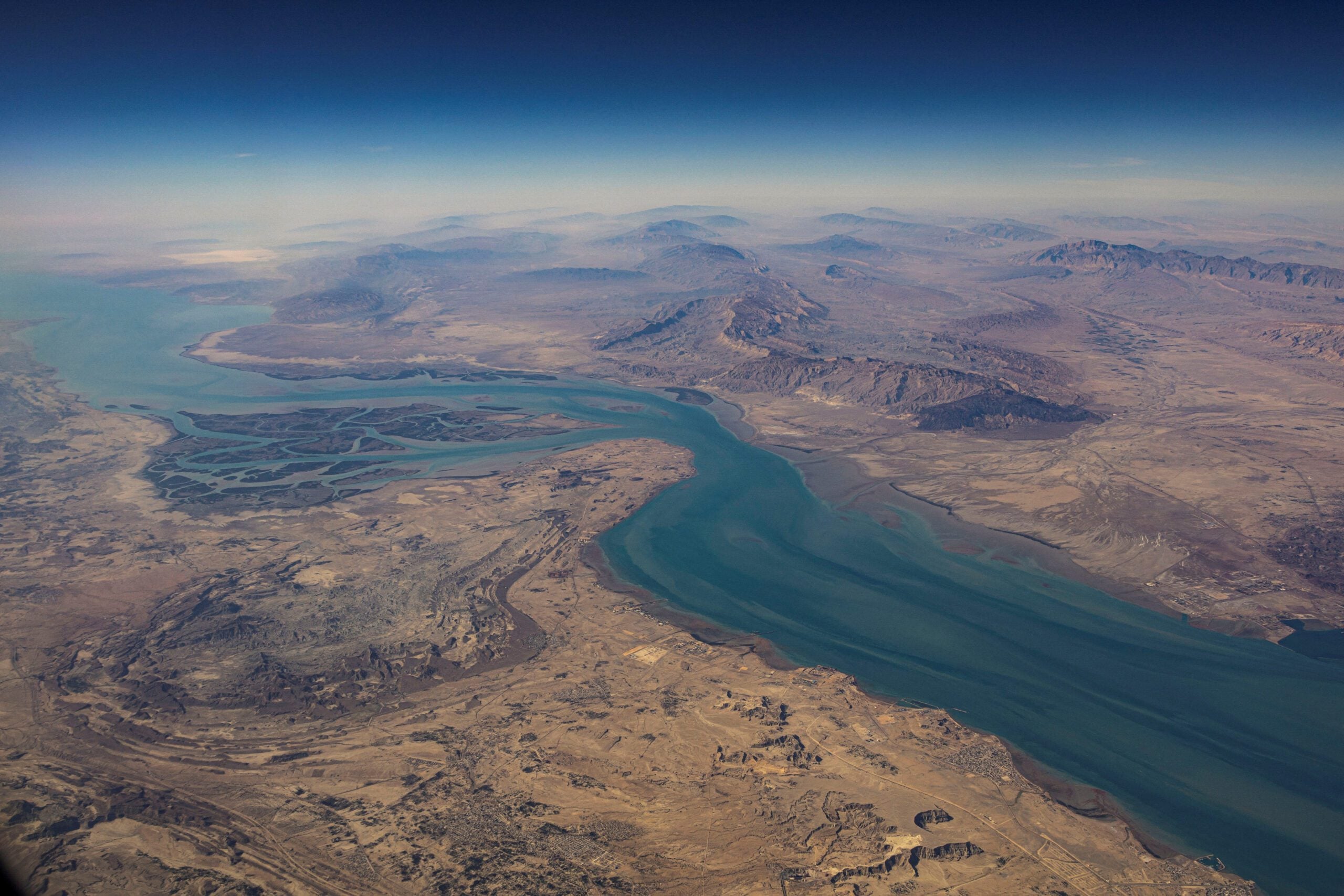
U.S. Central Command has confirmed the sinking of an Iranian Jamaran-class corvette at a pier in Chah Bahar during the opening hours of Operation Epic Fury, as American forces sustained their first combat losses in the rapidly escalating conflict.
According to a statement issued from CENTCOM headquarters in Tampa, three U.S. service members have been killed in action and five seriously wounded. Several others suffered minor shrapnel injuries and concussions. The command said it would withhold the identities of the fallen for at least 24 hours pending next-of-kin notification.
The strike on the Iranian warship was described as part of what CENTCOM called a “relentless campaign to defend the American people by eliminating threats from the Iranian regime.” In a direct message aimed at Iranian personnel, U.S. officials repeated the President’s demand that members of Iran’s armed forces, the IRGC, and police “lay down your weapons.”
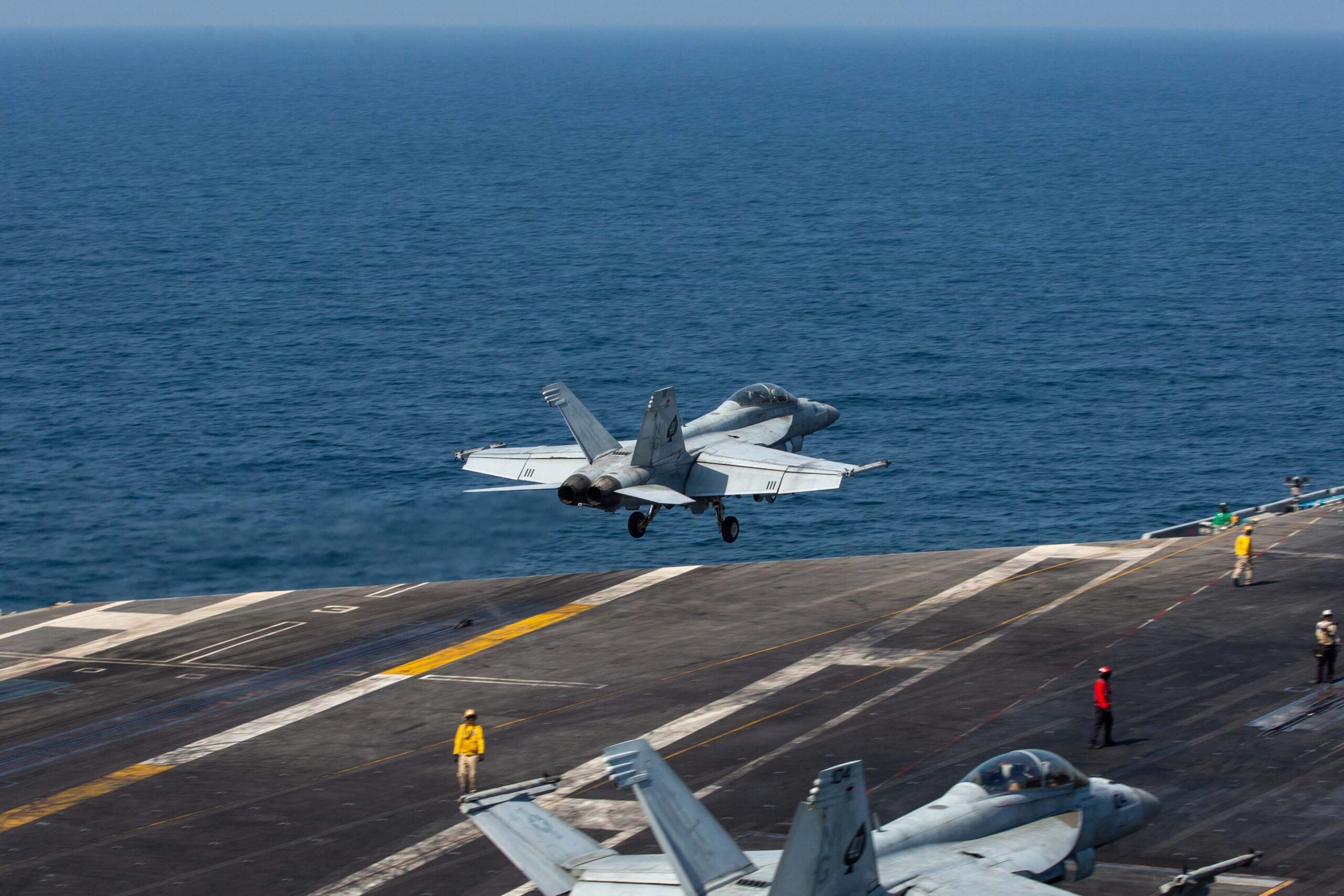
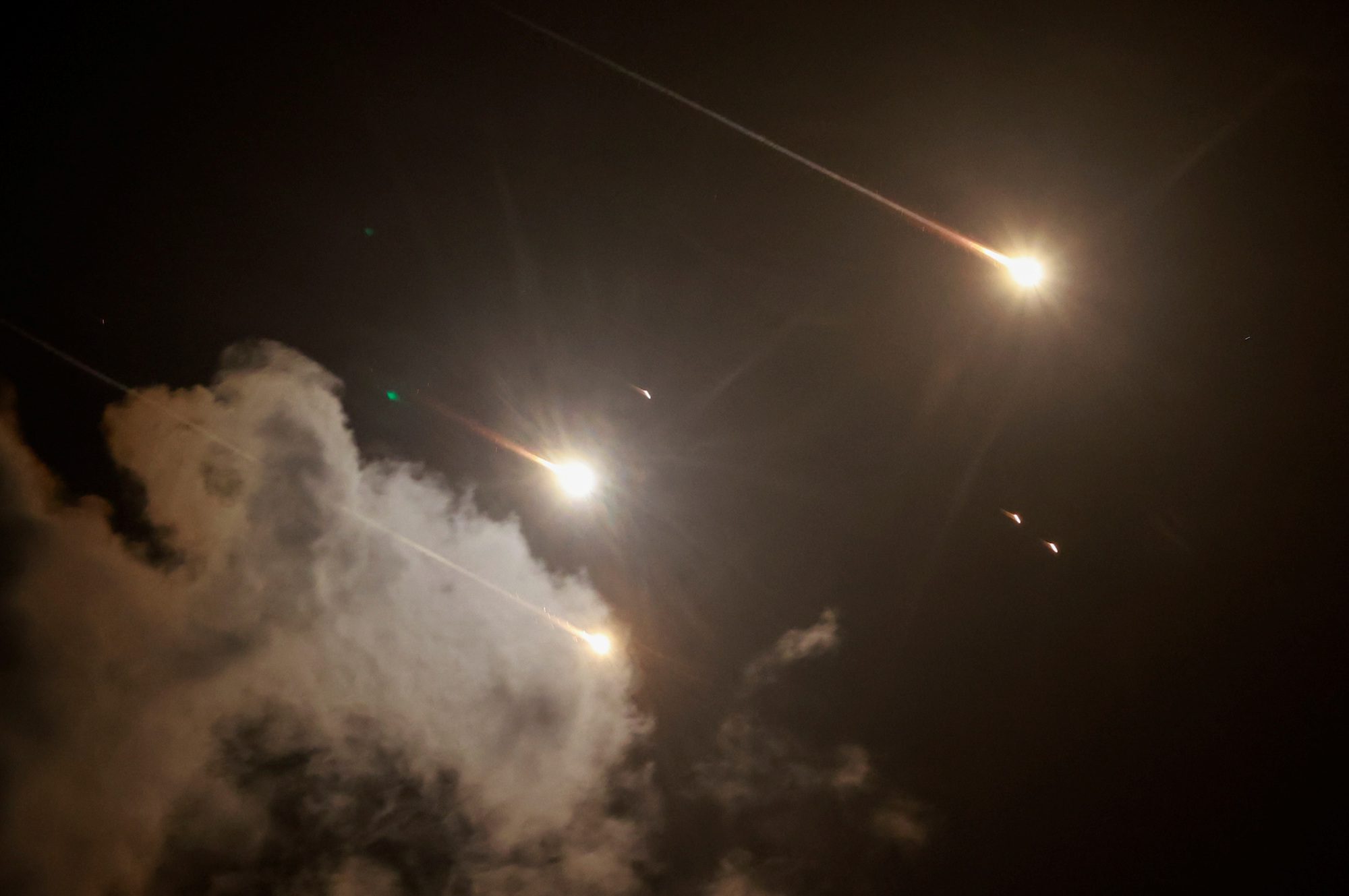
CENTCOM also rejected Iranian claims that ballistic missiles struck the aircraft carrier USS Abraham Lincoln, calling the allegation a “LIE” and stating that the missiles “didn’t even come close.” The carrier continues flight operations in support of ongoing missions in the region.
Tankers Diverting Strait of Hormuz Region as U.S./ Israel Strikes on Iran Intensify
Admiral Brad Cooper, commander of U.S. Central Command, framed the operation as a direct response to presidential orders. “The President ordered bold action, and our brave Soldiers, Sailors, Airmen, Marines, Guardians, and Coast Guardsmen are answering the call,” he said.
Drone Warfare Turns Full Circle
For the first time in history, CENTCOM’s Task Force Scorpion Strike deployed low-cost, one-way attack drones in combat. The systems — modeled after Iran’s Shahed-series loitering munitions — are designed to provide a scalable, lower-cost strike capability.
In effect, the U.S. is now using an Iranian-style drone concept against Iranian targets — a notable technological and symbolic reversal in the evolving drone war.
What’s at Stake for Oil Markets after Iran Strikes?
CENTCOM Pushes Back on Iranian Claims
As the information war intensifies, CENTCOM forcefully rejected multiple claims made by Iranian state media and the IRGC.
Iranian officials claimed 50 U.S. service members had been killed. CENTCOM flatly denied the assertion.
The IRGC also claimed a U.S. Navy ship had been struck by missiles. CENTCOM again dismissed the claim, saying no U.S. Navy vessel has been hit and that the fleet remains fully operational.
Iranian media further alleged severe damage to multiple U.S. bases in the region. According to CENTCOM, any damage to U.S. installations has been minimal and has not impacted operations.
Chokepoints Under Pressure: When Geography and Conflict Strain the Arteries of Global Trade
Confusion Around Tanker Incident
The maritime picture remains murky.
Iranian sources claimed an attack on the Palau-flagged oil tanker Skylight while transiting the Strait of Hormuz near Oman, reportedly wounding four crew members who were evacuated. But vessel-tracking analysts at TankerTrackers disputed that account, saying the 11,000 dwt tanker has been anchored in Oman’s Musandam governorate since February 22 and was not underway in the strait.
The vessel, primarily used for refueling other tankers, has been on U.S. sanctions lists since December 2025.
TankerTrackers characterized the incident bluntly, suggesting Tehran may have struck a vessel linked to its own sanctioned trade network. Meanwhile, Iranian crude export activity appears to be continuing despite the widening conflict.
At Least 150 Oil and Gas Tankers Drop Anchor in Gulf Waters After Strikes on Iran
War-Risk Cover Withdrawn
In a clear signal the insurance market is reassessing risk in the Gulf, the London-based Steamship Mutual Underwriting Association Limited on Sunday issued formal notice cancelling war-risk coverage for Iran, Iranian waters, the Persian/Arabian Gulf and adjacent waters, including the Gulf of Oman, after its reinsurers withdrew capacity for claims arising in those areas.
The cancellation takes effect 72 hours after midnight GMT on March 1 and applies to charterers’ covers, fixed-premium P&I entries reinsured outside the International Group program, and ancillary extensions that include war risk. Core mutual P&I remains in place, but standard war-risk cover for Gulf waters is being withdrawn unless separately bought back.
The Club is offering discretionary buyback cover up to $200 million. However, it will not be automatic.
Wider Escalation
The confrontation follows a coordinated U.S.–Israeli air campaign that reportedly killed Iran’s Supreme Leader, Ayatollah Ali Khamenei — a development that marks a historic escalation in regional hostilities.
Separately, reports of a strike on a girls’ elementary school in Minab in southern Iran, killing nearly 150 civilians, have drawn international condemnation.
Major combat operations remain underway. CENTCOM described the situation as fluid, with additional developments expected across both maritime and air domains.
Editorial Standards · Corrections · About gCaptain

 Join The Club