Anatoly Menzhiliy / Shutterstock
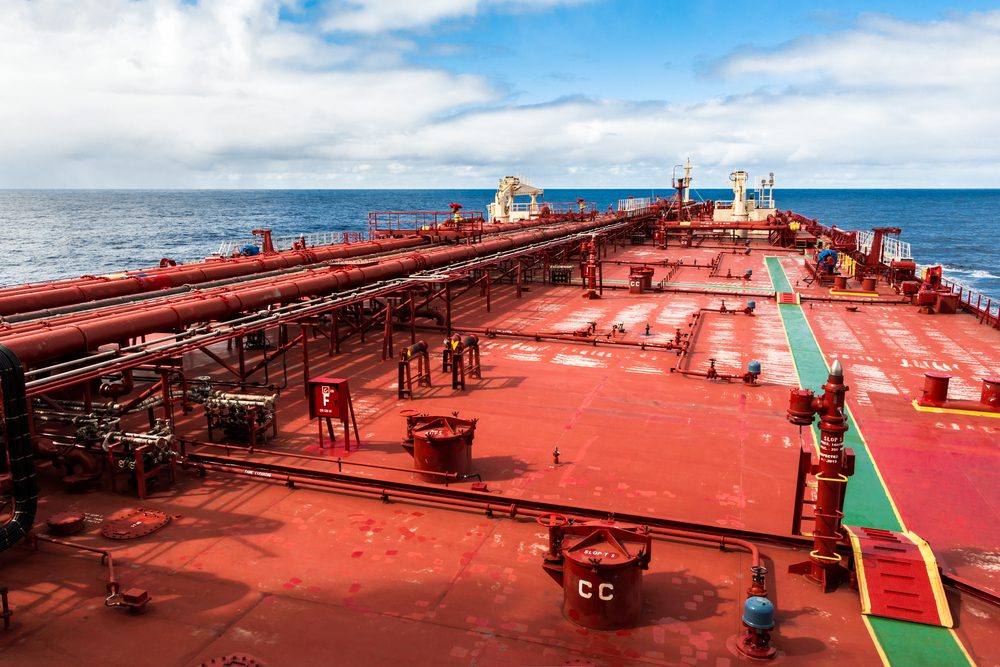
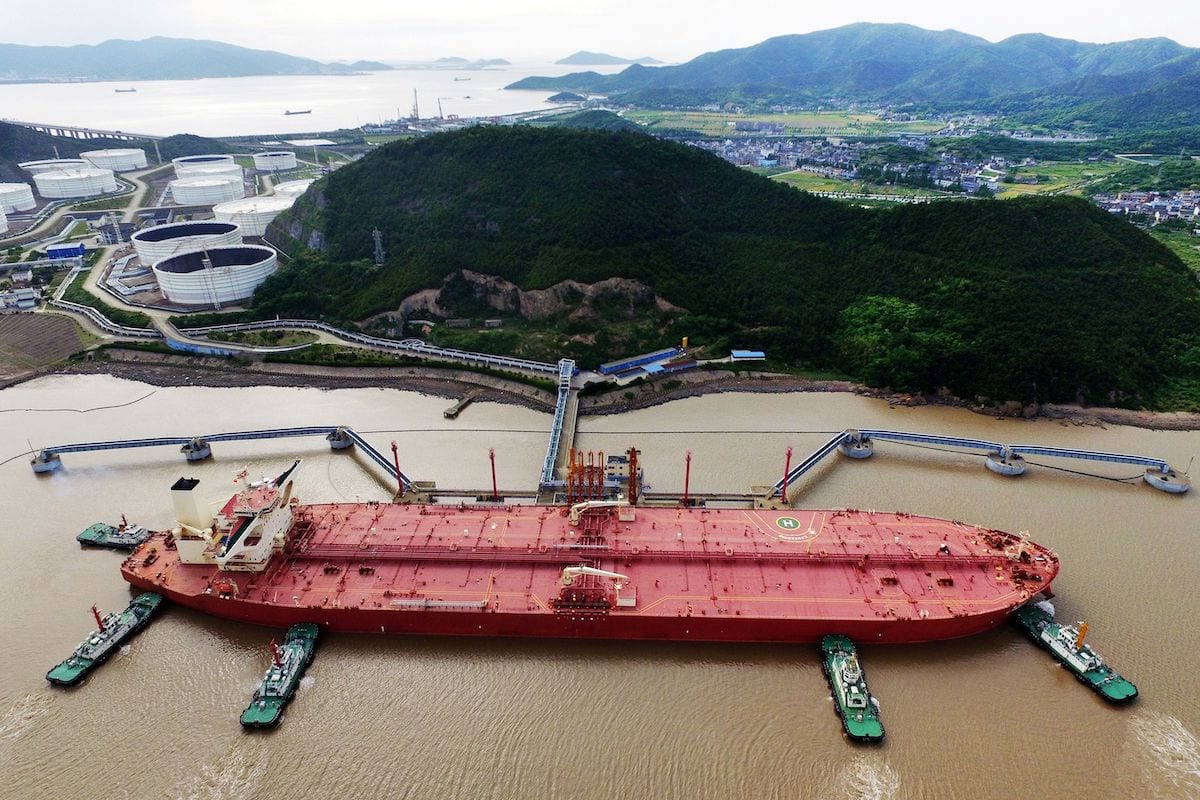
By Sherry Su and Serene Cheong (Bloomberg) — Oil traders are starting the slow process of cleaning up cargoes of Russian crude that were loaded onto tankers at a port in the Baltic Sea during a contamination crisis. Doing so will involve cargo transfers on the high seas, shipping barrels thousands of miles, and — finally — careful dilution to avoid damaging oil refineries.
Almost 10 million barrels of crude were loaded at Ust-Luga around the time the contamination crisis came to light late last month. Much of the supply, most of which would normally be delivered locally, has been sitting on ships in northwest Europe ever since, while the companies that bought the cargoes — including Glencore Plc and Vitol Group — figured out what to do.
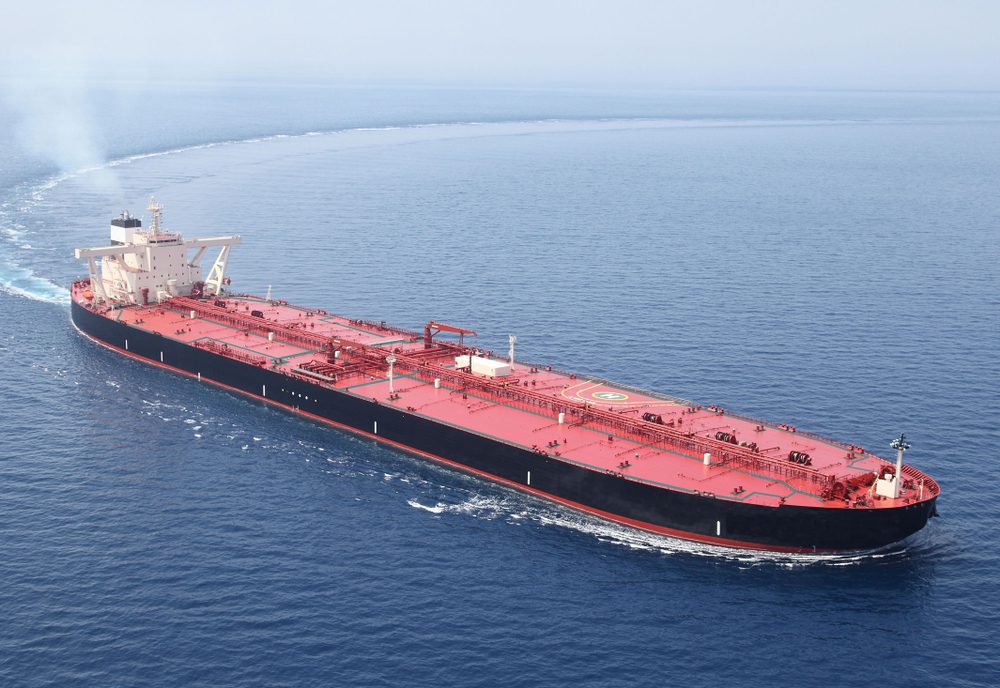
Now, several of those same vessels have begun heading to dedicated cargo-transfer sites off the coasts of Denmark and the U.K. to discharge their consignments onto bigger supertankers more suited to long-haul trades. From there, traders and industry officials anticipate the barrels flowing to Asian destinations including China, where the cargoes will be carefully drip-fed into the refining system. The voyage, roughly 12,500 nautical miles, will take about 45 days.
Ust-Luga, which handled about 200 million barrels of crude last year, got caught up in the same contamination crisis that caused the vital Druzhba pipeline to stop, forcing refineries in several European countries to dip into emergency reserves, cut processing rates, and tap alternative supplies.
Glencore and Vitol declined to comment.
Refinery officials in Asia say that the barrels in question are likely to be diluted with 10 to 12 times more uncontaminated crude to avoid the plants becoming damaged. Some traders have speculated that some cargoes might even be used by power plants in Saudi Arabia, a move that would free up more of the kingdom’s crude for export this summer.
How work is progressing to cleanse the Druzhba pipeline system
The complicated process of cleaning up the cargoes is being mirrored by what’s happening with supplies in the Druzhba pipeline, an overland link that delivered roughly 1 million barrels a day to European plants before it was halted by the crisis. The conduit still hasn’t fully returned to normal.
© 2019 Bloomberg L.P
Updated: October 24, 2022 (Originally published May 16, 2019)
Editorial Standards · Corrections · About gCaptain
This article contains reporting from Bloomberg, published under license.

 Join The Club