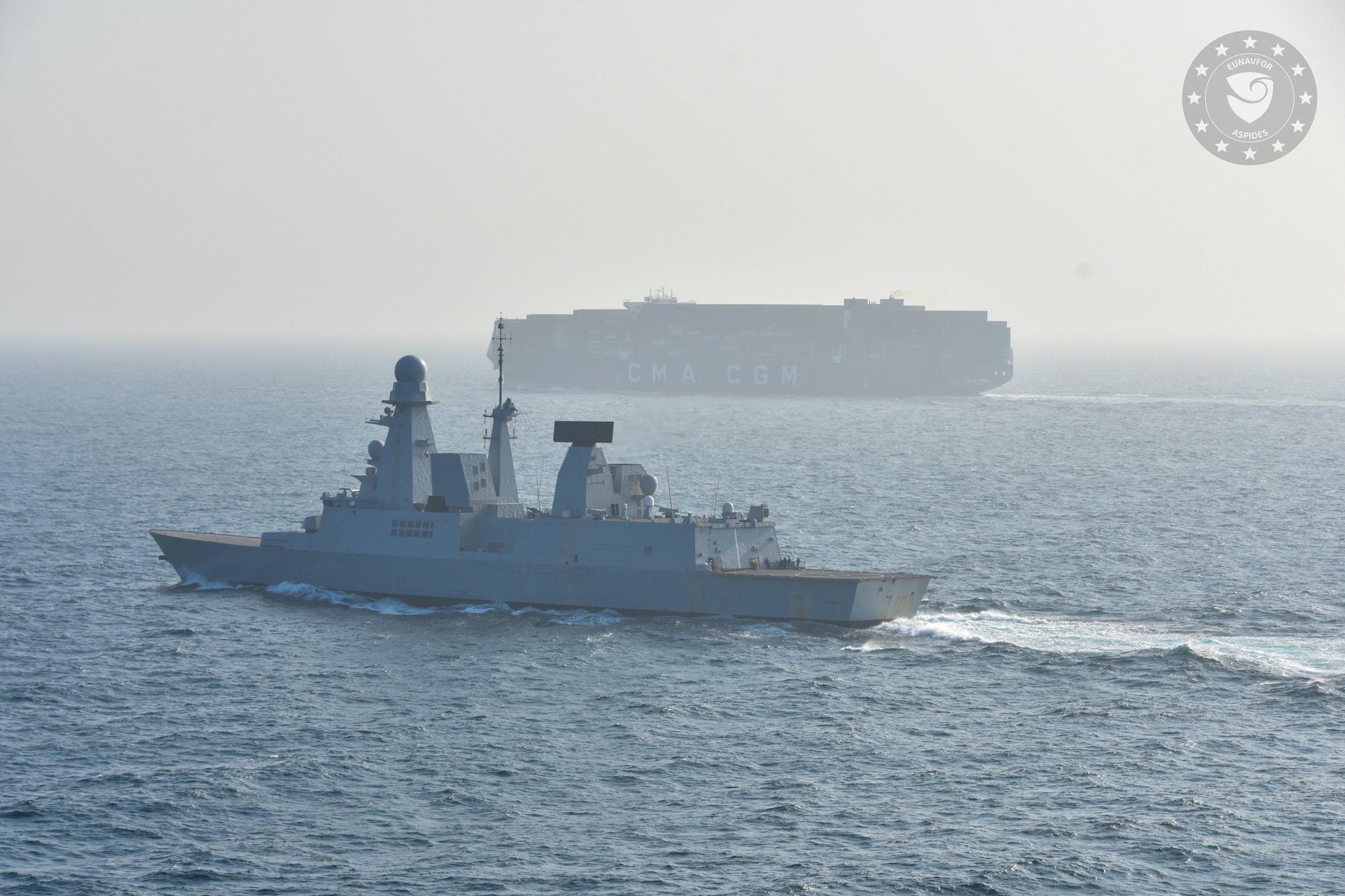
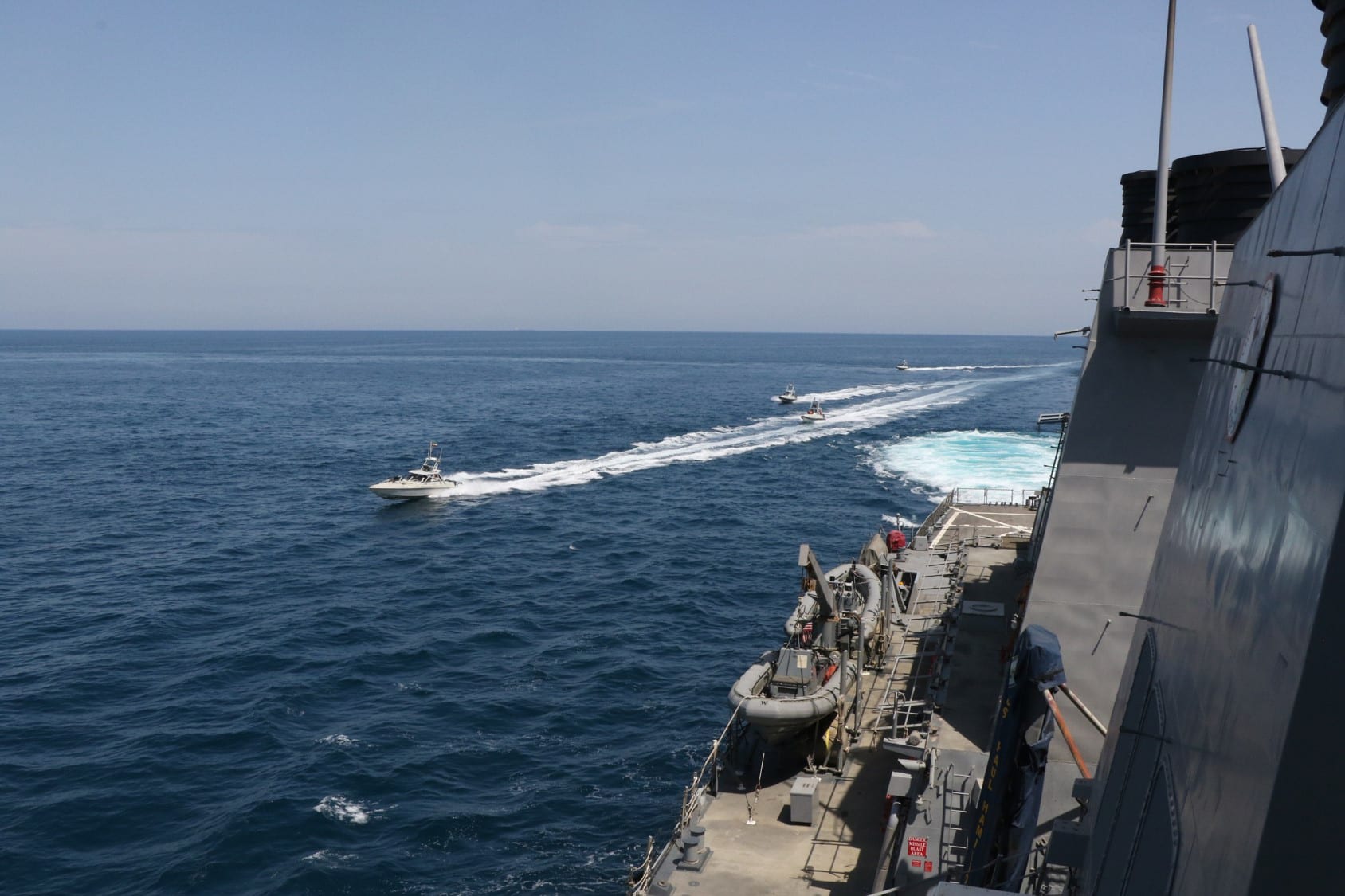
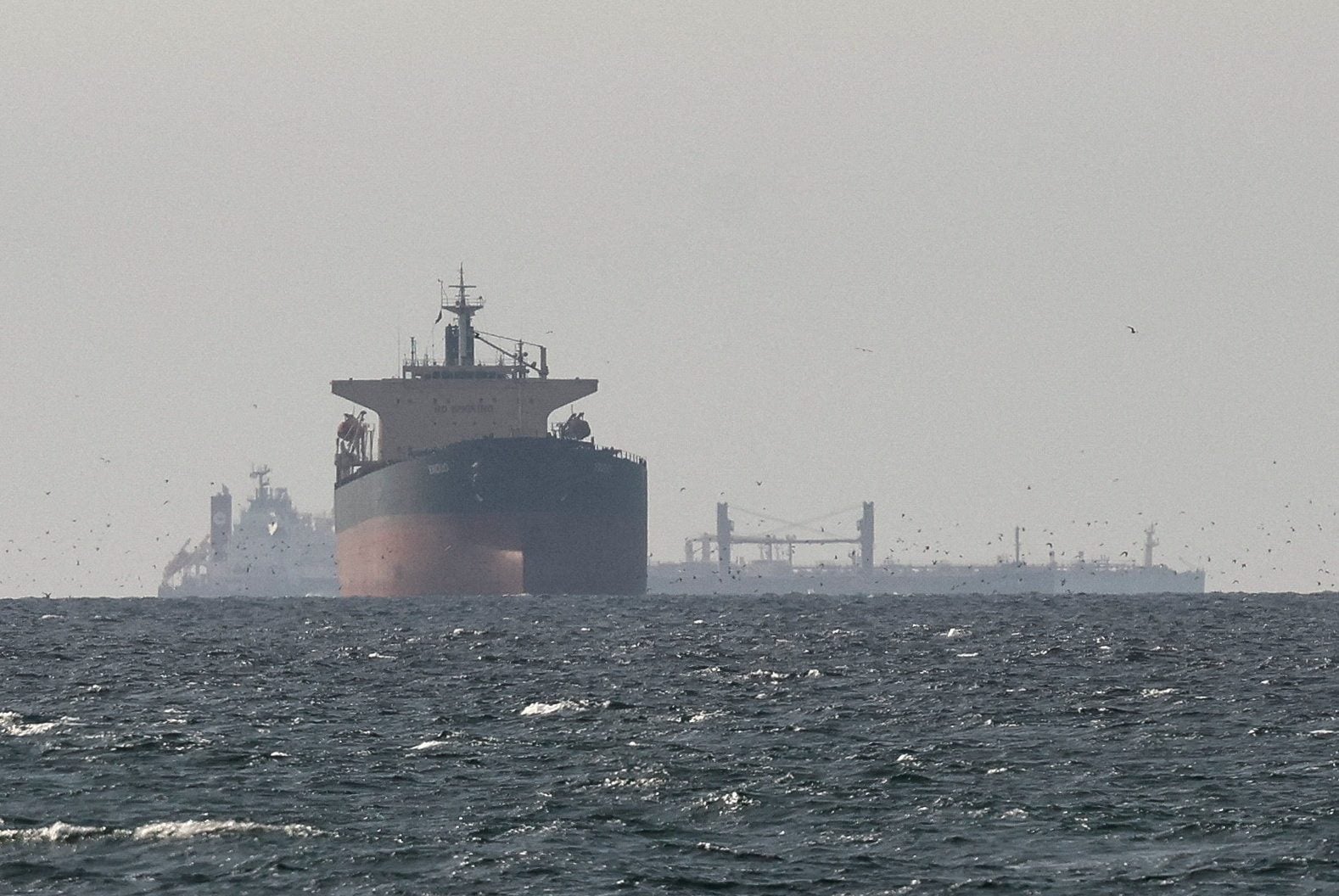
The United States is warning commercial shipping that the threat from Yemen’s Houthi militants remains active across the Red Sea and Gulf of Aden—despite a recent lull in attacks—and is now advising vessels to consider going “dark” to reduce the risk of being targeted.
In a new advisory, the U.S. Maritime Administration (MARAD) said U.S.-flagged vessels transiting the southern Red Sea, Bab el-Mandeb Strait, Gulf of Aden, Arabian Sea, and Somali Basin face an elevated risk of attack, particularly if their electronic signals can be tracked.
The guidance marks one of the clearest acknowledgments yet that Automatic Identification System (AIS) transmissions are being actively exploited by adversaries to locate and target commercial ships.
MARAD is advising U.S.-flagged vessels to consider turning off AIS transponders while operating in high-risk areas, provided doing so does not compromise navigational safety.
While vessels have been attacked with AIS both on and off, the agency said disabling transmissions can make it more difficult for hostile actors to track and accurately target ships.
The advisory goes further, warning that other onboard systems—such as Wi-Fi networks, cargo telemetry, and weather reporting tools—may also expose vessels to detection.
Operators are urged to minimize electronic emissions where feasible, vary routes and speeds, and avoid repeating voyage patterns that could make ships predictable targets.
Threat Persists Despite Lull
Although the Houthis have not conducted confirmed attacks on commercial vessels since the October 2025 Israel-Gaza ceasefire, MARAD emphasized that the group continues to pose a credible threat.
Between late 2023 and October 2025, Houthi forces carried out more than 100 attacks on commercial shipping affecting vessels from over 60 nations. The campaign escalated in mid-2025 with the sinking of two bulk carriers in the southern Red Sea and multiple fatalities among seafarers.
The group has demonstrated a broad range of capabilities, including one-way drones, anti-ship missiles, explosive boats, and attempted boardings.
Who Is at Risk
According to MARAD, vessels with U.S., UK, or Israeli links face the highest risk, but exposure extends beyond flag state.
Ships connected through ownership structures, charter arrangements, or even prior port calls in Israel may be considered potential targets.
The advisory also warns of deceptive tactics, including communications from actors posing as Yemeni authorities attempting to redirect vessels, request voyage information, or instruct ships to activate AIS.
Mariners are advised to ignore such instructions and continue transit unless safety is compromised.
Operational Guidance Tightens
U.S.-flagged vessels are being urged to maintain maximum distance from Yemen’s coastline, increase lookout vigilance, and exercise heightened caution during slow-speed operations or while at anchor.
Crews are advised to relocate to protected areas of the vessel in the event of a suspected drone, missile, or small-boat threat.
The advisory also recommends coordination with U.S. Naval Forces Central Command (NAVCENT) and reporting to United Kingdom Maritime Trade Operations (UKMTO), which continue to provide real-time monitoring and threat updates across the region.
Vessels transiting with AIS secured are encouraged to provide regular position updates directly to U.S. naval authorities.
The advisory underscores the continued vulnerability of one of the world’s most critical maritime corridors. The Bab el-Mandeb Strait—just 18 miles wide at its narrowest point—serves as the southern gateway to the Suez Canal and a key artery for global trade between Asia and Europe.
Editorial Standards · Corrections · About gCaptain

 Join The Club